Spring
February–April
Comfortable days for visiting the ghats and temples.

Haridwar is one of the seven holiest cities in Hinduism, located where the Ganges descends from the Himalayas onto the plains of Uttarakhand. It is known for sacred ghats, old temples, the daily Ganga Aarti, and its role as a gateway to the Char Dham Yatra.
This guide covers the essential information for planning a Haridwar trip, including major attractions, seasonal advice, local food, transport, and a practical itinerary. For another riverside town with a similar spiritual appeal, explore the best places to visit in Rishikesh. You can also compare hotels in Haridwar or arrange cab services in Haridwar for local and onward travel.
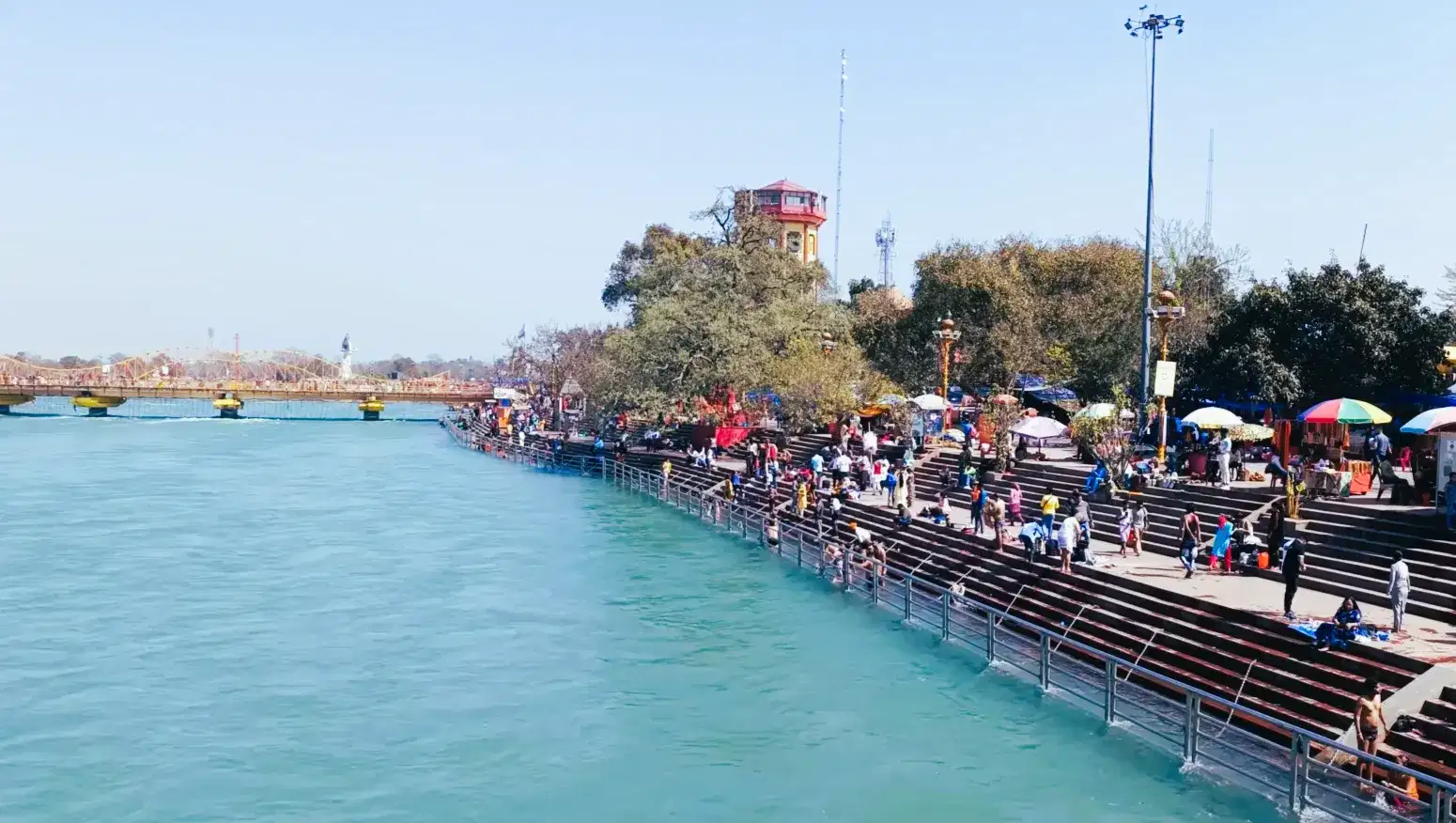
Har Ki Pauri, Haridwar's sacred riverside ghat and the setting for the evening Ganga Aarti.
Need a cab in Haridwar?
February to April and September to November are usually the most comfortable periods for sightseeing and visiting the ghats. Summer is warm and busy, while high river levels during the monsoon require extra care near the water.
February–April
Comfortable days for visiting the ghats and temples.
May–June
Warm and humid; mornings and evenings are best for sightseeing.
July–August
River flow is high, and flooding is possible near the ghats; proceed with caution.
September–January
Cooler, clearer days; festival periods can bring very large crowds.
Har Ki Pauri, meaning the Lord's footstep, is Haridwar's holiest ghat and the spiritual center of the city. Each evening, priests perform the Ganga Aarti with fire, flowers, devotional singing, and diyas floating down the river. Bathing in the Ganga here is considered especially auspicious.
Arrive well before sunset to find a place on the steps, as the ghat fills quickly. Visitors can combine the aarti with a walk through nearby Moti Bazaar.
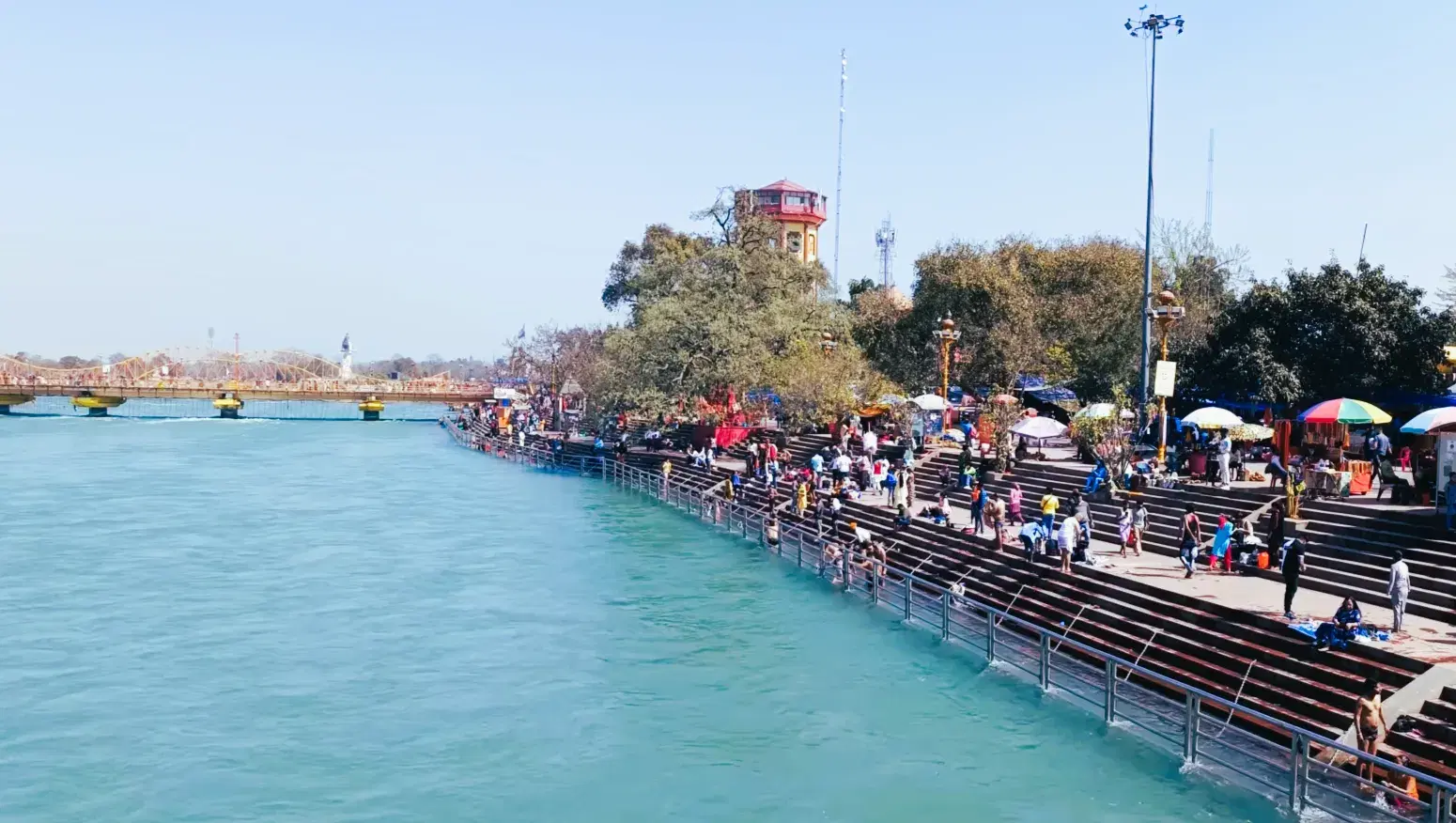
Dress modestly, remove footwear where required, and avoid carrying leather articles near the water's edge.
Mansa Devi Temple stands on Bilwa Parvat in the Sivalik hills and is dedicated to the goddess believed to grant wishes. A ropeway carries visitors to the hilltop and provides broad views of Haridwar and the Ganges.
The cable car is the easier choice for travelers with limited time or mobility. Inside the temple, devotees tie sacred threads to the wish tree and may attend the morning or evening aarti.
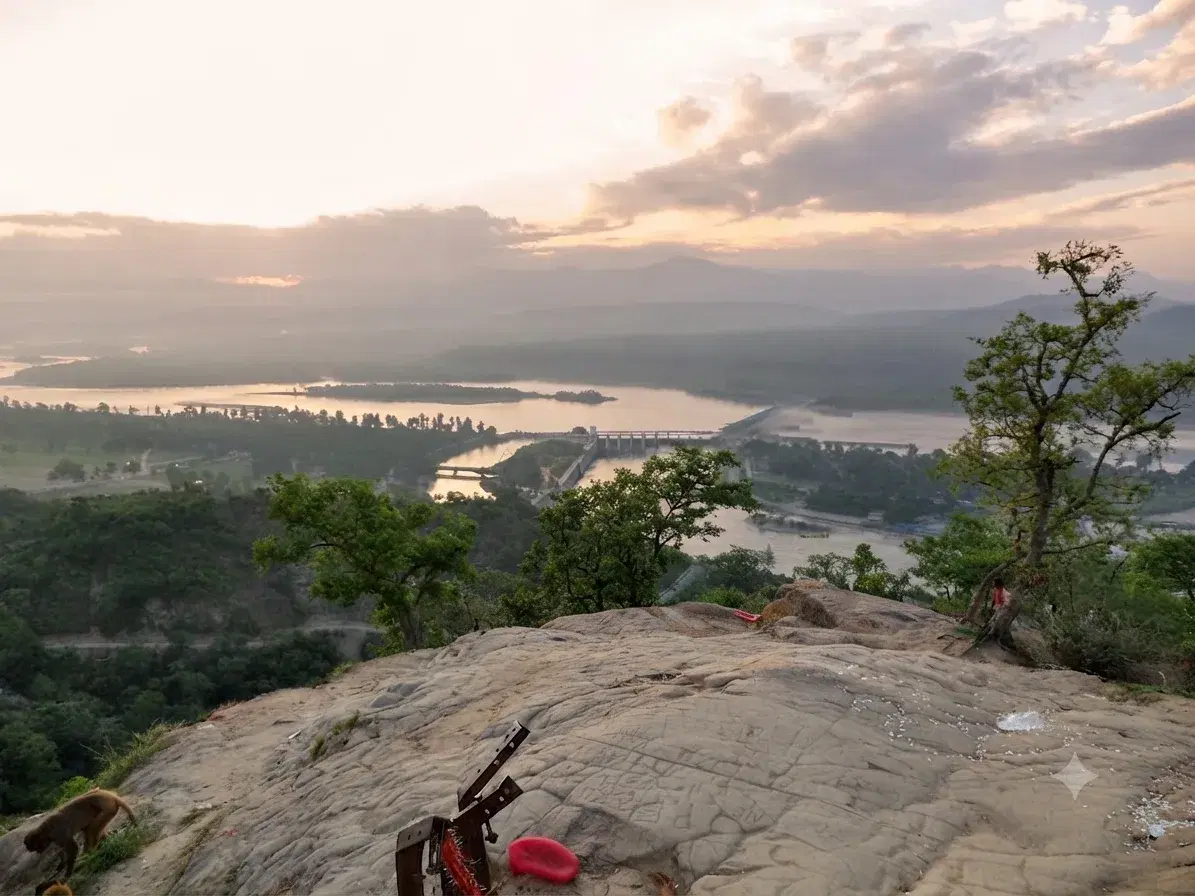
Dress modestly and remove footwear before entering the temple.
Chandi Devi Temple is located on Neel Parvat across the Ganges and can be reached by ropeway or a roughly 3 km forest path. Tradition associates the hilltop shrine with Adi Shankaracharya.
The ropeway and the hiking route offer two distinct ways to approach the temple. Visitors can combine Chandi Devi with Mansa Devi for a half-day hill-temple circuit.
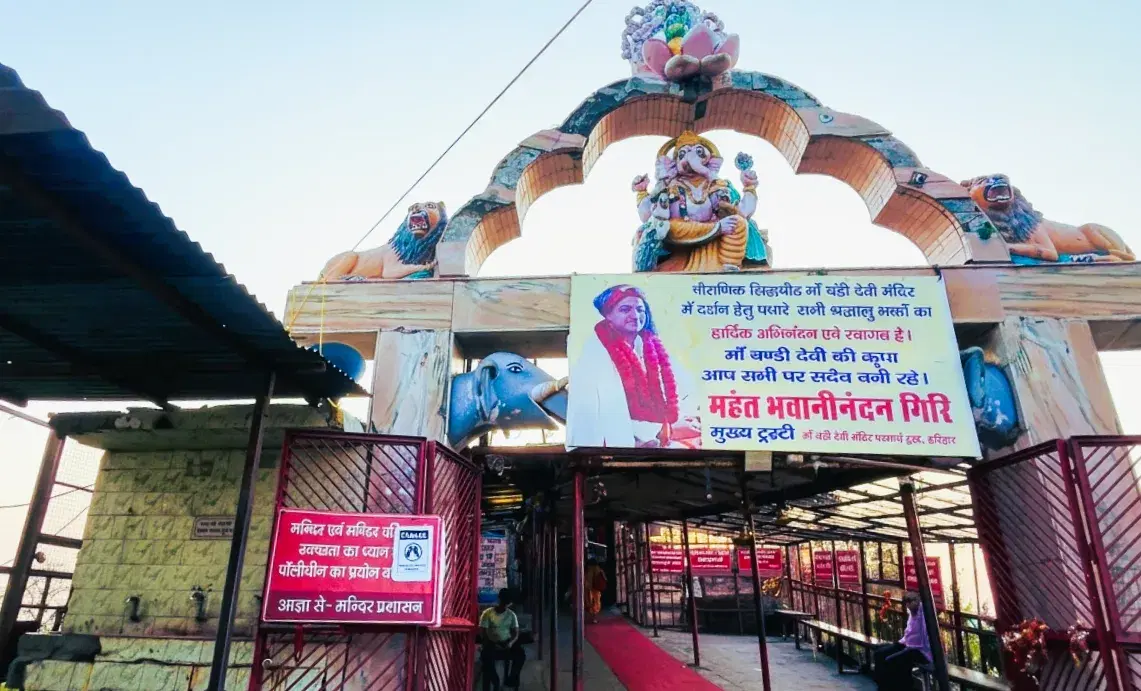
Modest dress is required, and footwear must be removed at the temple.
Rajaji National Park extends across Haridwar, Dehradun, and Pauri Garhwal and protects elephants, big cats, and a wide variety of birdlife. It offers a natural counterpoint to Haridwar's temple and ghat circuit.
A permitted jeep safari is the usual way to explore the Chilla and Motichur ranges. Birdwatchers should allow time around water bodies and forest edges, while Chilla Barrage can be added as a nearby stop.
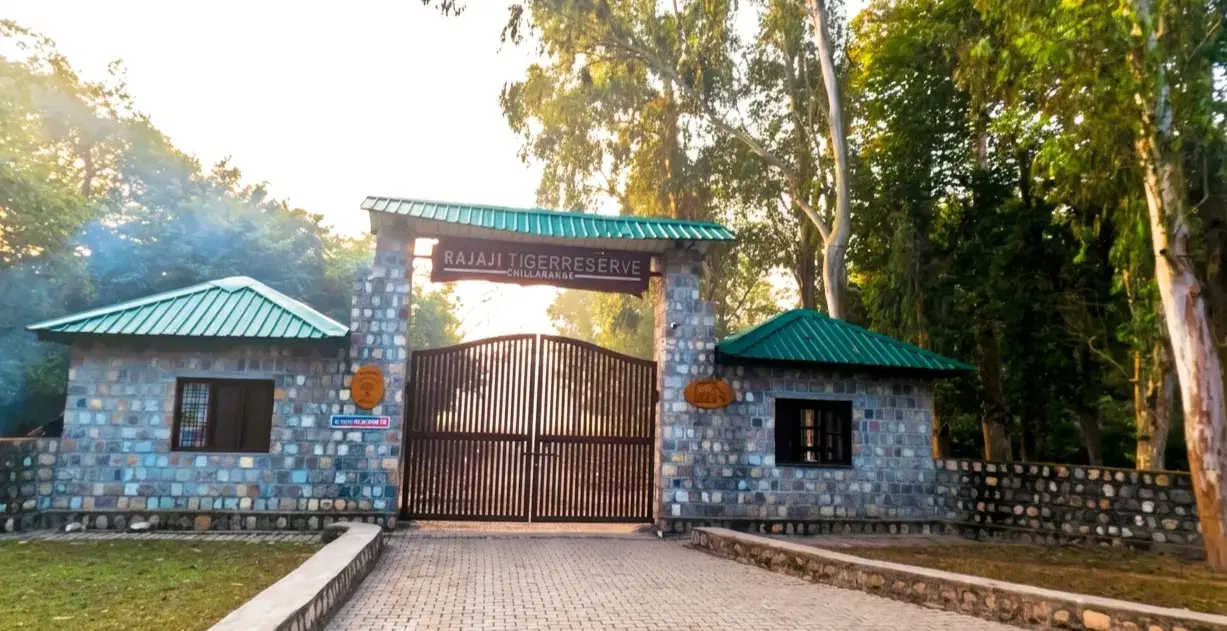
Wear dull-colored outdoor clothing and closed-toe shoes for the safari.
Daksha Mahadev Temple in Kankhal, around 4 km from central Haridwar, is an important Shiva temple associated with the story of King Daksha's yagna and Sati.
The temple is generally calmer than the main ghats and suits visitors interested in mythology and traditional temple architecture. Pair it with a walk through Kankhal Bazaar or visit during the morning for a quieter atmosphere.
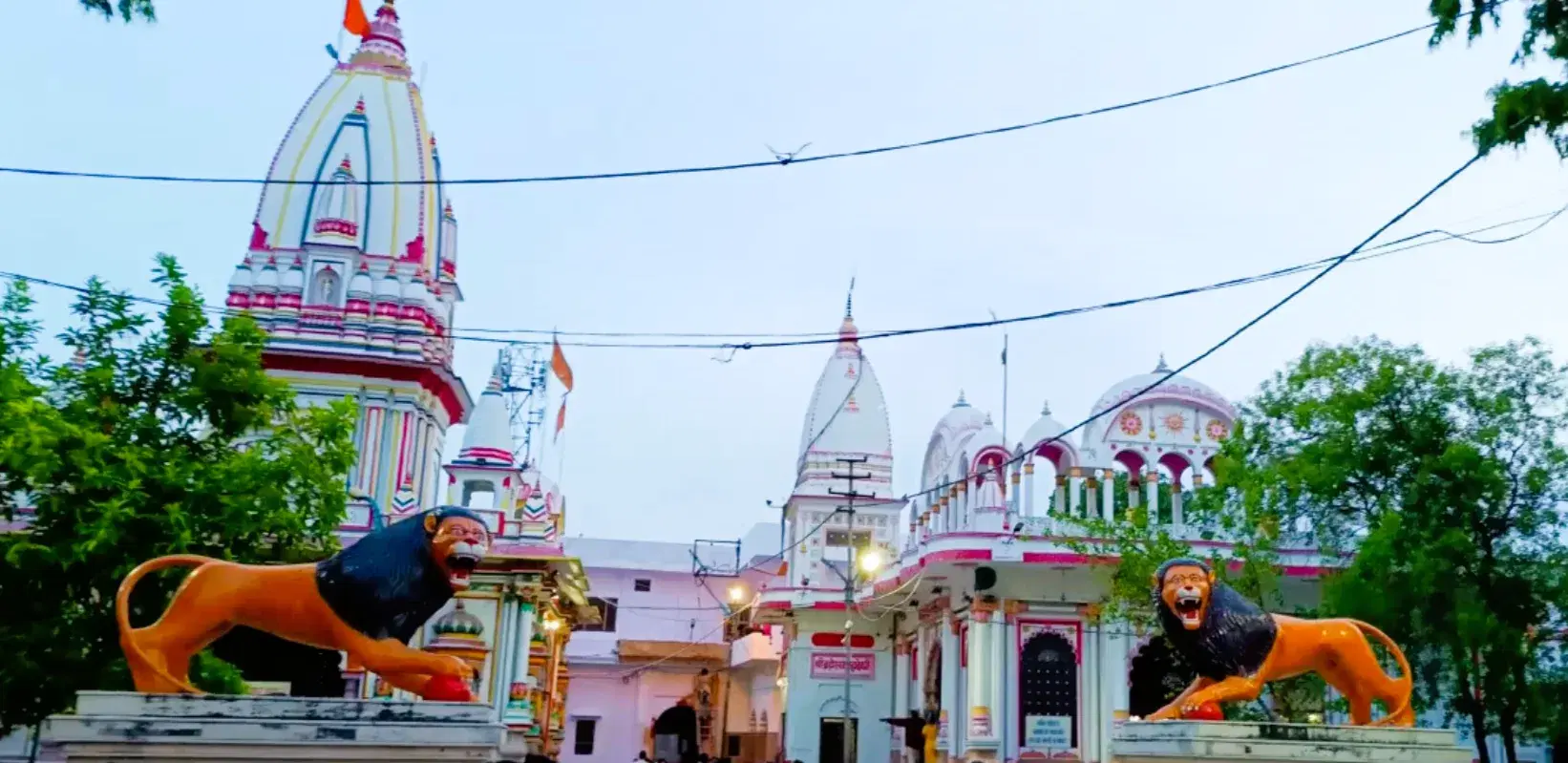
Dress modestly and remove footwear inside the temple.
About 5 km from Haridwar · Allow 45–60 min
An eight-story temple with floors devoted to Indian deities, saints, freedom fighters, and cultural themes.
About 5 km from Haridwar · Allow 30–45 min
A riverside ashram associated with the legend of the Ganga dividing into seven streams for meditating sages.
About 4–5 km from Haridwar · Allow 30–45 min
A temple known for decorative idols and detailed glasswork.
Allow 30–45 min
An ancient Siddhapeeth counted among Haridwar's sacred Panch Tirth sites.
About 5 km from Haridwar · Allow 1–2 hours
A barrage near Rajaji National Park known for birdwatching and quiet riverside views.
Hot, flaky kachori served with tangy potato curry at stalls around Har Ki Pauri and Bara Bazaar.
Deep-fried puris served with spicy potato curry, widely available near the ghats.
Papri chaat, dahi vada, aloo tikki, and golgappas are common in Bara Bazaar and nearby lanes.
Look for jalebi, rabri, peda, and thick malai-style lassi at established local shops.
Day 1
Day 2
Day 3 (optional)
Haridwar rewards travelers who plan their day around the river, from a quiet morning at the ghats to the bright and busy evening aarti. Its temples, markets, and nearby wildlife can turn a short pilgrimage stop into a fuller two- or three-day journey.
Use this itinerary as a starting point and adjust each day for festival crowds, weather, and current ghat or park access conditions.
Check these official resources for destination information and current notices. Confirm opening times, entry charges and access requirements before travelling.
Found something outdated? Send Traviya a correction.