Spring & early summer
March–May
Pleasant weather for gardens, viewpoints, and forest walks.

By TraviyaEditorial policyUpdated
Ranikhet is a quiet cantonment hill town in Uttarakhand's Kumaon region, known for pine and oak forests, Himalayan views, orchards, temples, and the military heritage of the Kumaon Regiment.
This guide covers the main places to visit, practical seasonal advice, food, transport, and a flexible itinerary. Opening hours and access to cantonment-managed attractions can change, so confirm them locally before setting out. The temples, markets, and viewpoints in our Almora travel guide pair naturally with a Ranikhet visit.
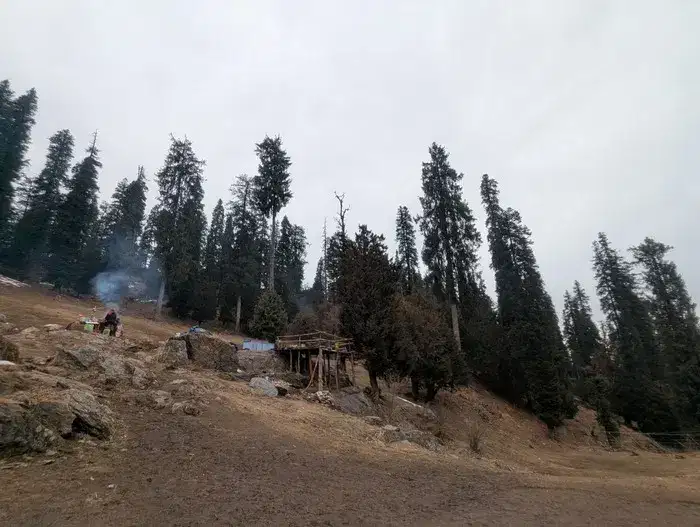
Ranikhet is a quiet cantonment hill town surrounded by pine and oak forest in Uttarakhand's Kumaon region.
Need a cab in Ranikhet?
March to May and mid-September to December are generally the most comfortable periods for sightseeing. Summer suits forest walks, autumn often brings clearer mountain views, and winter can be very cold with occasional snowfall. Monsoon travel needs extra road and weather flexibility.
March–May
Pleasant weather for gardens, viewpoints, and forest walks.
June–mid-September
Lush scenery, but rain, cloud, and hill-road delays are possible.
Mid-September–November
Cooler days and often clearer views of the Himalayan range.
December–February
Cold and quiet; pack proper layers and check road conditions.
Chaubatia Gardens lies outside central Ranikhet; road distance depends on your starting point and permitted approach and is known for its hillside orchards of apples, plums, peaches, and apricots. The garden's open slopes and forest edge can reveal long Himalayan views when the weather is clear, making it a rewarding morning outing for families, couples, and photographers.
Walk only on permitted paths and allow time to enjoy the landscape rather than expecting a formal botanical garden experience. Fruit availability changes with the season, while research or orchard operations can affect access to particular areas. Confirm current visiting arrangements locally and combine the garden with nearby Jhula Devi Temple for an easy half-day circuit.
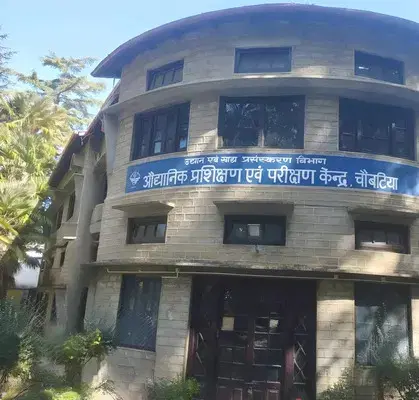
Entry arrangements and accessible areas may change with orchard operations. Confirm locally before departure and keep children to marked paths.
Jhula Devi Temple is an active Durga shrine recognized by the large number of bells offered by devotees. The Almora district administration describes the temple as roughly 700 years old and connects its name with the image of the goddess seated on a cradle. Its compact, bell-filled setting is one of Ranikhet's most distinctive cultural experiences.
Visit quietly, keep the entrance clear for worshippers, and follow instructions about footwear, offerings, and photography. The temple is close to Ram Mandir and can be paired with Chaubatia Gardens on the same outing. Festival days and weekends can be busy, so a morning visit usually allows a calmer experience.
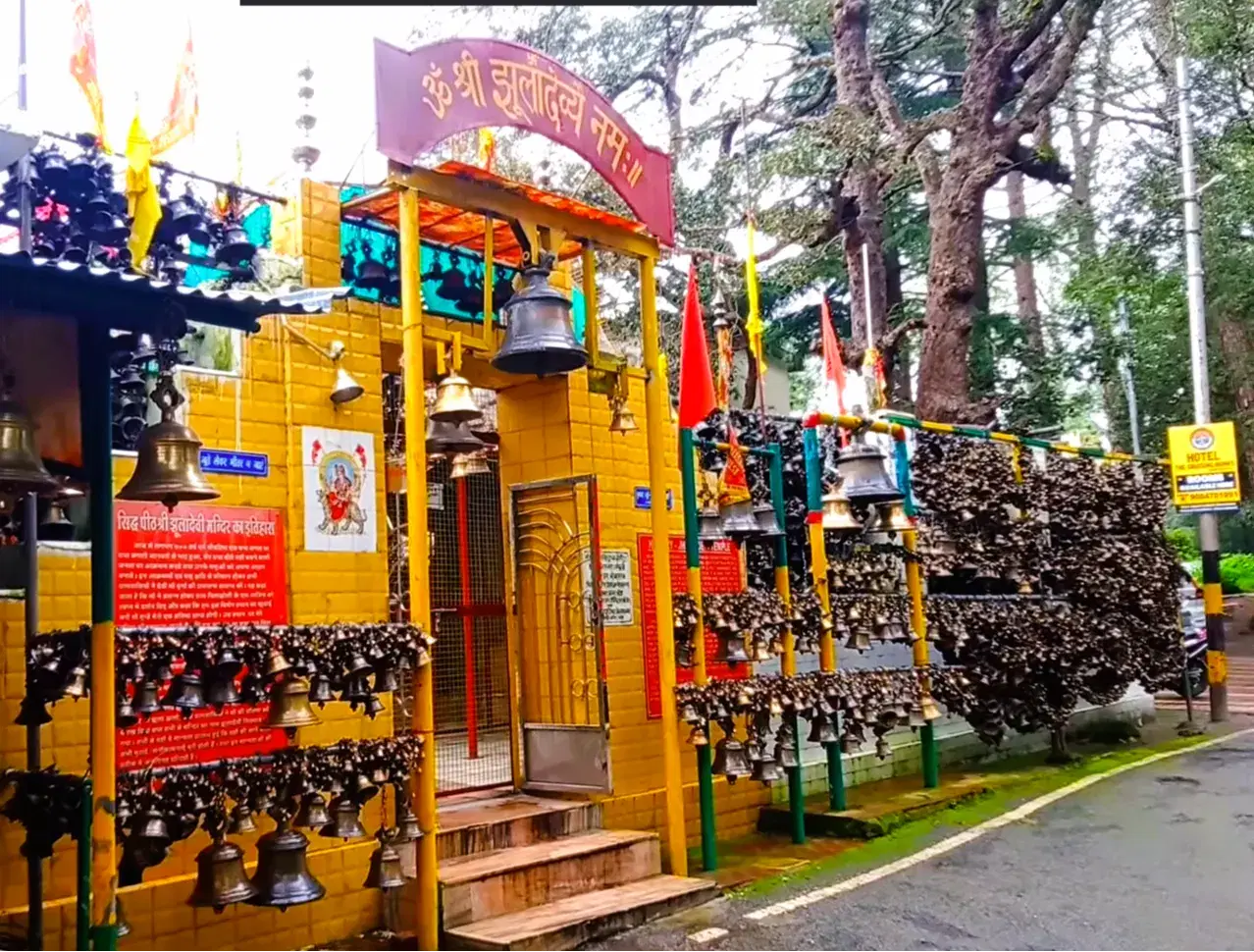
Temple schedules may change on festivals and special occasions. Follow the instructions displayed at the shrine rather than relying on fixed online timings.
Uttarakhand Tourism describes the nine-hole Ranikhet Golf Course at Upat as one of the highest golf courses in Asia. Its rolling green fairways, pine-covered slopes, and mountain backdrop make the landscape itself the main attraction, even for visitors who are not golfers.
The course is in a cantonment-managed area, so public entry, photography, playing access, and stopping points can change with Army regulations. Enjoy the views only from permitted areas, carry valid photo identification, and follow all signs and security instructions. Nearby Kalika Temple makes a practical additional stop if access is open.
Access is subject to cantonment and Army rules. Carry valid photo ID, obey photography restrictions, and remain within explicitly permitted areas.
Bhalu Dam, also called Baludham, is a small artificial lake in the forested Chaubatia area. Uttarakhand Tourism highlights its Himalayan views, surrounding vegetation, and quiet setting. The attraction is better suited to a nature walk and picnic pause than to boating or a developed lakeside experience.
The final approach can involve an uneven forest path whose condition changes with rain and maintenance. Travel with daylight in hand, use a local guide when the route is unclear, and avoid going alone late in the day. Carry your own water and take all litter back, because facilities around the reservoir can be limited.

Facilities and mobile signal may be limited. Swimming and unsupervised water access are not recommended; keep children close near the reservoir.
The Kumaon Regimental Center Museum introduces visitors to the military heritage that has shaped Ranikhet. Displays are commonly associated with the history, uniforms, medals, weapons, and campaigns of the Kumaon and Naga regiments, giving useful context to the town's continuing role as a cantonment.
Uttarakhand Tourism currently lists the museum as open from 9:00 AM to 5:30 PM with an entry fee of ₹20 per person. Because it is connected with a working military establishment, confirm the latest schedule and access arrangements locally, carry valid government-issued photo identification, and follow all photography and security instructions.
The published entry fee is currently ₹20 per person. Access arrangements can change because the museum is within a military establishment, so carry photo ID and follow all Army and cantonment security directions.
Haidakhan Babaji Temple is a peaceful spiritual stop in the Chilianoula area near Ranikhet. Uttarakhand Tourism lists the route among the area's popular temple walks, and visitors come for prayer, meditation, forest scenery, and mountain views when visibility is good.
The approach and final steps can be tiring for travelers with limited mobility, so assess the route before setting out. Dress modestly, maintain silence around prayer areas, and avoid presenting local spiritual beliefs as verified history. Pair the temple with Upat or Majkhali only if road conditions and daylight allow.
Temple routines can change. Follow local instructions about footwear, photography, and access to prayer or meditation areas.
Mankameshwar Temple is a well-known cantonment-area shrine associated with the Kumaon Regimental Center. Its central location makes it an easy cultural stop when exploring Ranikhet town, and the compound includes shrines worshipped by residents and service families.
Treat the temple as an active place of worship rather than a sightseeing display. Wear modest clothing, remove footwear where instructed, and keep military buildings or personnel out of photographs. Check the visiting hours locally because worship schedules and cantonment access can change.
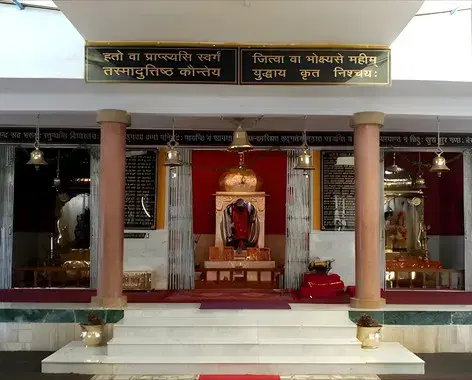
The temple is close to sensitive cantonment areas. Carry ID and respect all access, parking, and photography restrictions.
Majkhali is a small village roughly 10 km from Ranikhet, known for open Himalayan views and dark skies suitable for stargazing when the weather is clear. It offers a quieter alternative to central viewpoints and works well as a slow scenic drive rather than a tightly scheduled attraction.
Mountain visibility depends entirely on cloud, haze, and season, so keep expectations flexible. Arrive before sunset to identify a safe, permitted viewing area and return carefully after dark. Do not stop on narrow bends or enter private fields to secure an unobstructed photograph.
Majkhali is a lived-in village rather than a managed viewpoint. Facilities are limited, so plan transport and the return journey in advance.
Central Ranikhet · Allow 45–90 min
A landscaped family park near town; confirm current entry fee, opening status, and maintenance conditions locally.
Near Upat · Allow 30–45 min
A small active temple that can be combined with the golf-course route when local access permits.
Cantonment area · Confirm access
A forest-set historic church described by Uttarakhand Tourism; respect worship and cantonment restrictions.
Near central Ranikhet · Allow 30–60 min
A small local lake suited to a short pause; facilities and boating operations should be checked on arrival.
Day outing · Confirm route
A forest temple outside town that suits travelers with extra time and reliable local transport.
Look for a home-style meal with seasonal vegetables, lentils, rice, and regional preparations.
A hearty Kumaoni black-soybean curry commonly served with rice.
Spiced hill potatoes that make a simple snack or accompaniment.
Popular Kumaoni milk sweets available at established sweet shops across the region.
Day 1
Day 2
Day 3 (optional)
Ranikhet rewards a slower pace: forest roads, orchards, temples, military heritage, and changing Himalayan views matter more here than a crowded sightseeing checklist.
Use this itinerary as a flexible starting point, then adjust it for weather, walking comfort, daylight, and current cantonment access.
Check these official resources for destination information and current notices. Confirm opening times, entry charges and access requirements before travelling.
Found something outdated? Send Traviya a correction.