Spring
March–April
Comfortable for outdoor attractions, gardens, markets, and short walks.

Dehradun, Uttarakhand's capital, sits in the Doon Valley between the Himalayan foothills and the Shivalik range. The city combines forested campuses, caves, springs, temples, Tibetan Buddhist heritage, busy markets, and easy access to nearby hill and river destinations.
Two days are enough for the principal city attractions at a comfortable pace. Compare hotels in Dehradun or enquire about cab services in Dehradun before extending the trip to Mussoorie, Rishikesh, or Haridwar.
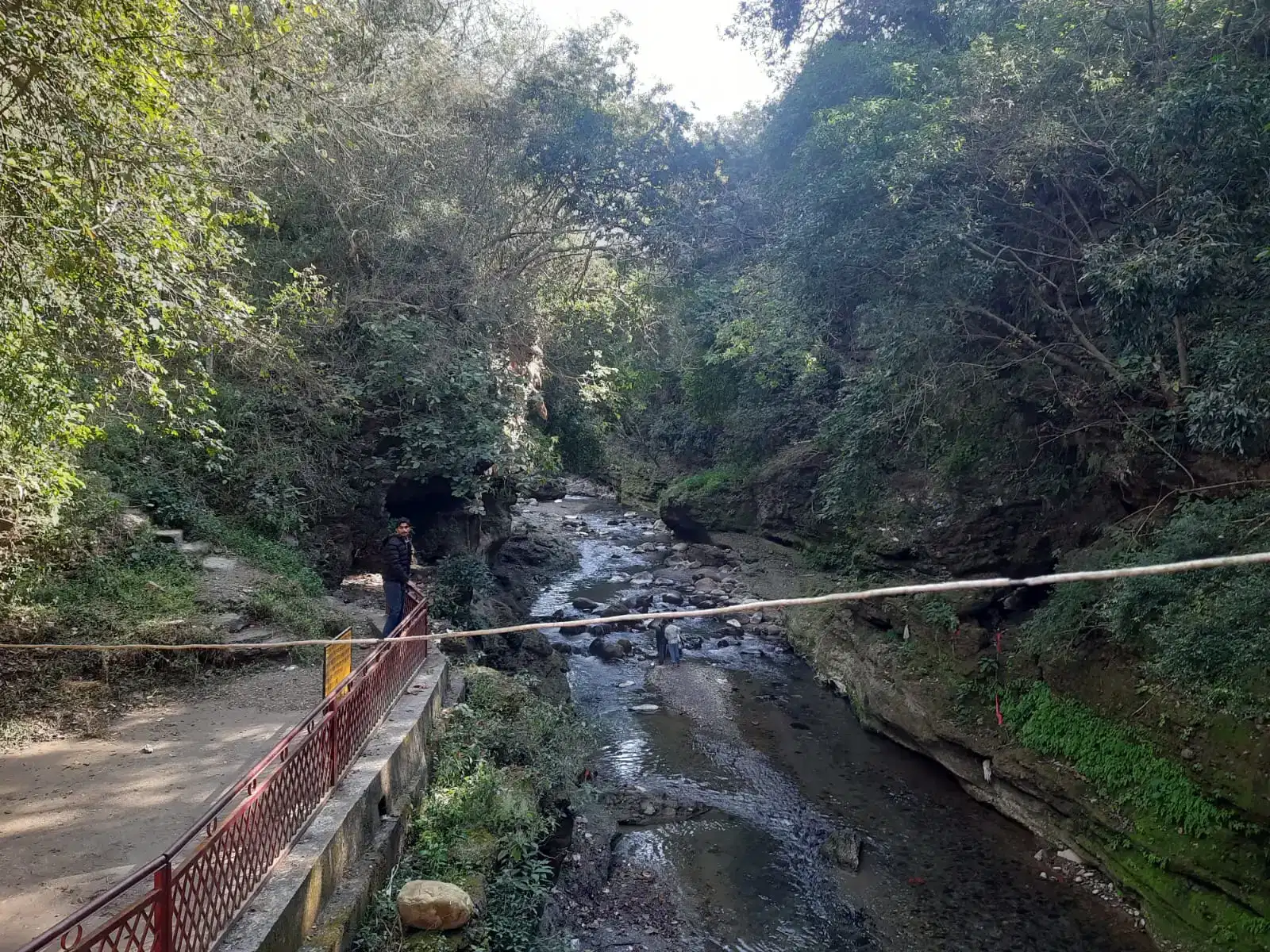
The wooded river channel beside the Tapkeshwar Mahadev Temple complex in Dehradun.
Need a cab in Dehradun?
March and April, followed by October and November, usually offer the easiest balance of comfortable temperatures and city sightseeing. May and June can be hot in the valley, July to September receive the heaviest rain, and winter mornings and evenings can be cold.
March–April
Comfortable for outdoor attractions, gardens, markets, and short walks.
May–June
Warm to hot in the valley; schedule outdoor stops early and carry water.
July–September
The landscape is green, but heavy rain can affect caves, streams, roads, and walking surfaces.
October–February
October and November are comfortable; December to February needs warm layers, especially after sunset.
The Forest Research Institute is Dehradun's most recognizable heritage campus. Its main building, completed in 1929, blends Greco-Roman and colonial architectural influences against the backdrop of the outer Himalayan foothills. The broad lawns, long corridors, forestry collections, and formal scale make the campus rewarding for architecture, history, and nature-focused visitors.
Allow enough time for the museums rather than treating FRI only as a photography stop. Displays introduce forestry, timber, forest products, pathology, entomology, and conservation. Visitor rules, museum access, holidays, and charges can change, so check the institute's current notices before departure and respect areas reserved for research or teaching.
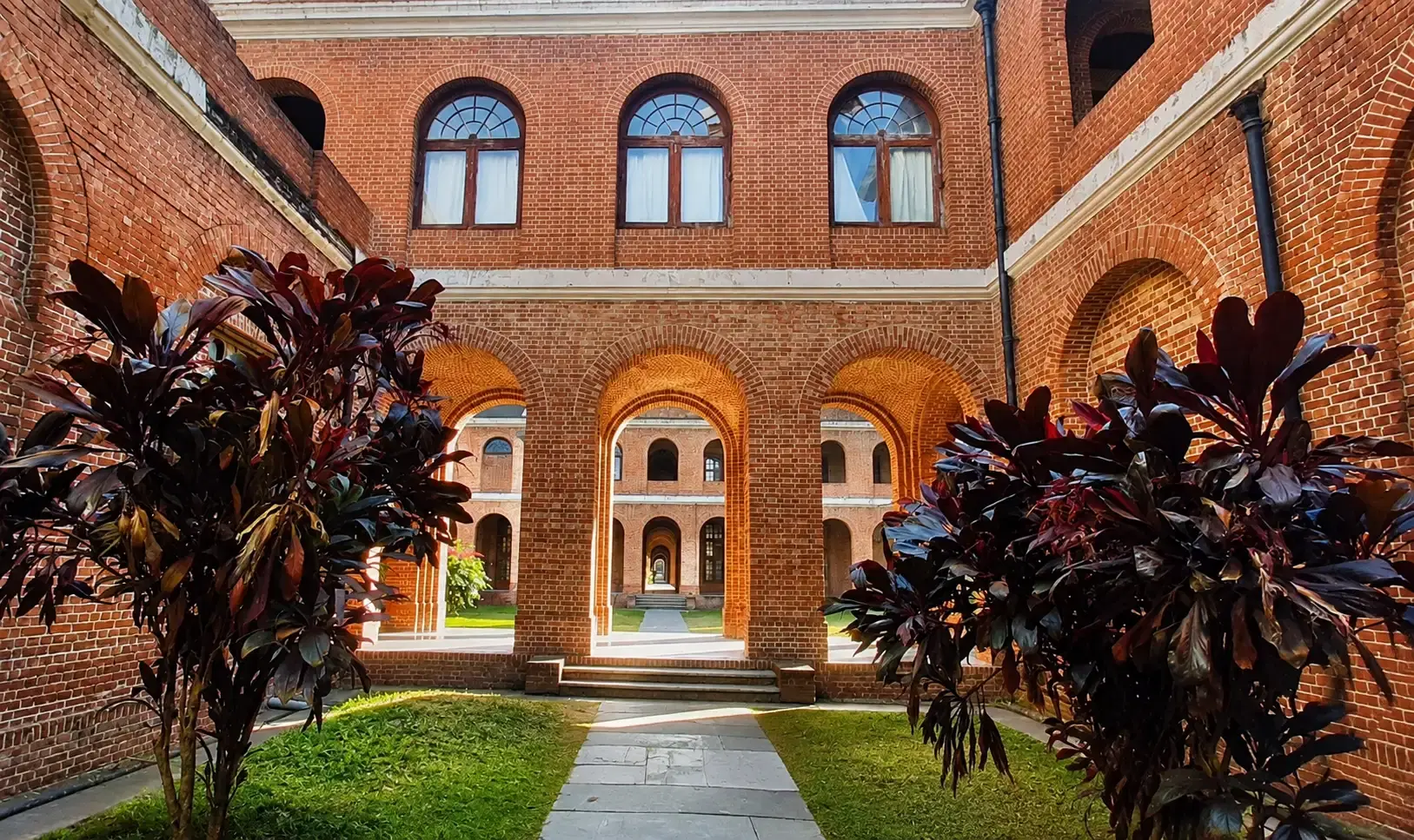
FRI periodically revises visitor access and may close for institutional events or holidays. Use the official FRI website for the latest notice.
Robber's Cave, locally called Gucchupani, is a narrow natural gorge with a stream running between high rock walls. Official tourism information places it about 9 km from central Dehradun. Visitors commonly wade through shallow sections to explore the cool, shaded passage and the small cascade farther inside.
The streambed is uneven and can become slippery, crowded, or unsafe after rain. Wear footwear with reliable grip, protect phones and valuables from water, and turn back if the flow is strong. Families with young children, seniors, or anyone with limited balance should assess conditions at the entrance before going farther.
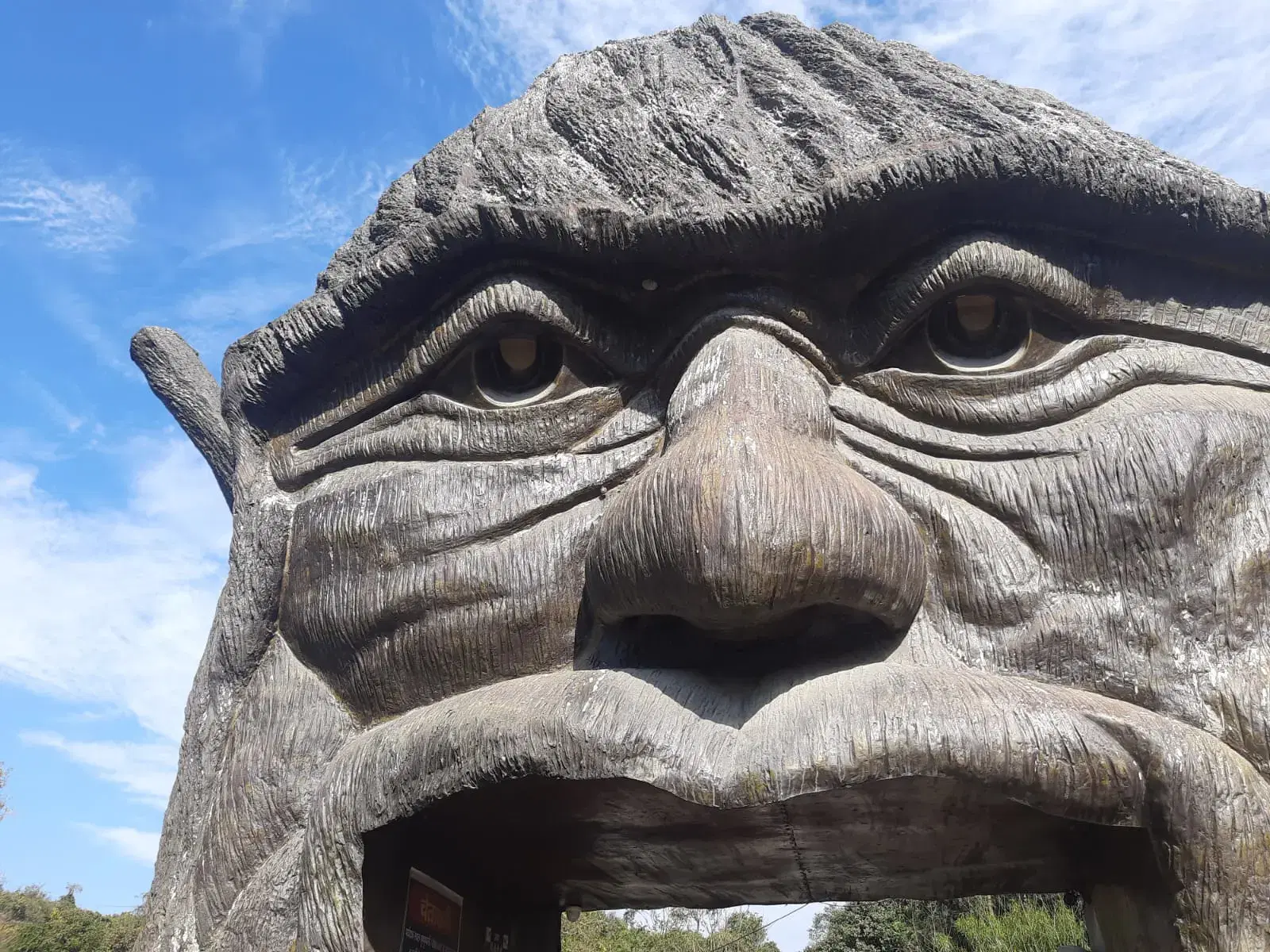
Water depth and access change with weather. Follow local safety barriers and do not climb unstable rock faces.
Sahastradhara, meaning 'thousand-fold spring', is a popular valley outing around 11 km from Dehradun. Springs, limestone formations, caves, and the Baldi River shape the landscape. The site is most appealing as a relaxed nature stop, with water channels and viewpoints spread around a developed visitor area.
Water flow and bathing conditions change sharply by season. Monsoon can make the river and paths hazardous, while busy weekends bring traffic and crowds. Treat any bathing or ropeway activity as optional, use only authorized facilities, and check present conditions before entering water or committing to a fixed return time.
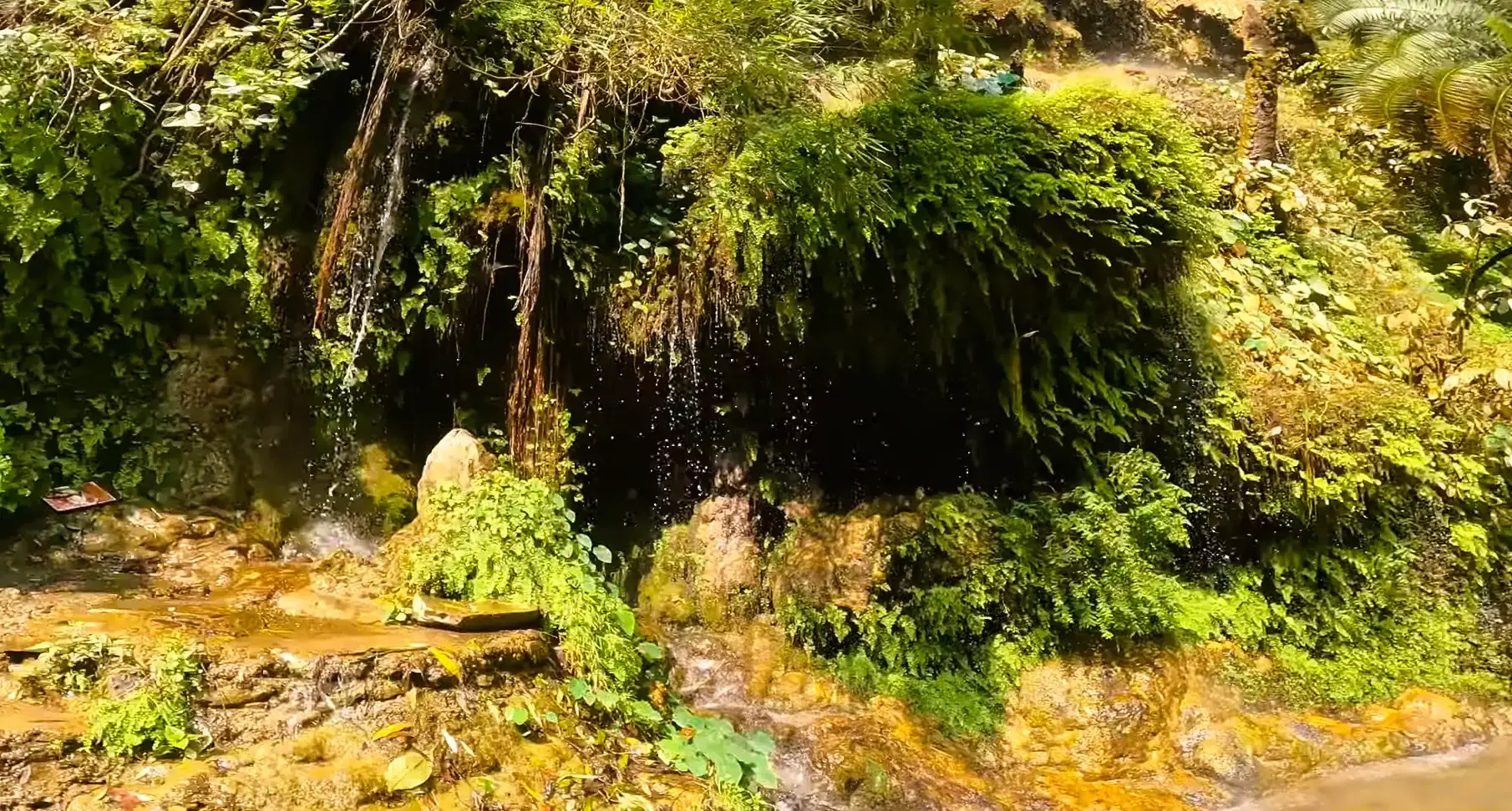
Do not rely on claimed medicinal benefits of the spring water. Follow posted warnings and keep children away from fast-flowing sections.
Tapkeshwar Mahadev Temple is a Shiva shrine in the Garhi Cantonment area, roughly 5.5 km from Dehradun Railway Station according to the district administration. Its cave sanctum is known for water droplets falling naturally over the Shiva lingam, while steps lead through a wooded riverside setting with several smaller shrines.
The temple is an active place of worship, not only a sightseeing attraction. Dress modestly, remove footwear where directed, and avoid blocking worshippers for photographs. Shivratri and other important days can be extremely busy; visitors wanting a quiet experience should choose an ordinary morning and check the river and steps after rain.
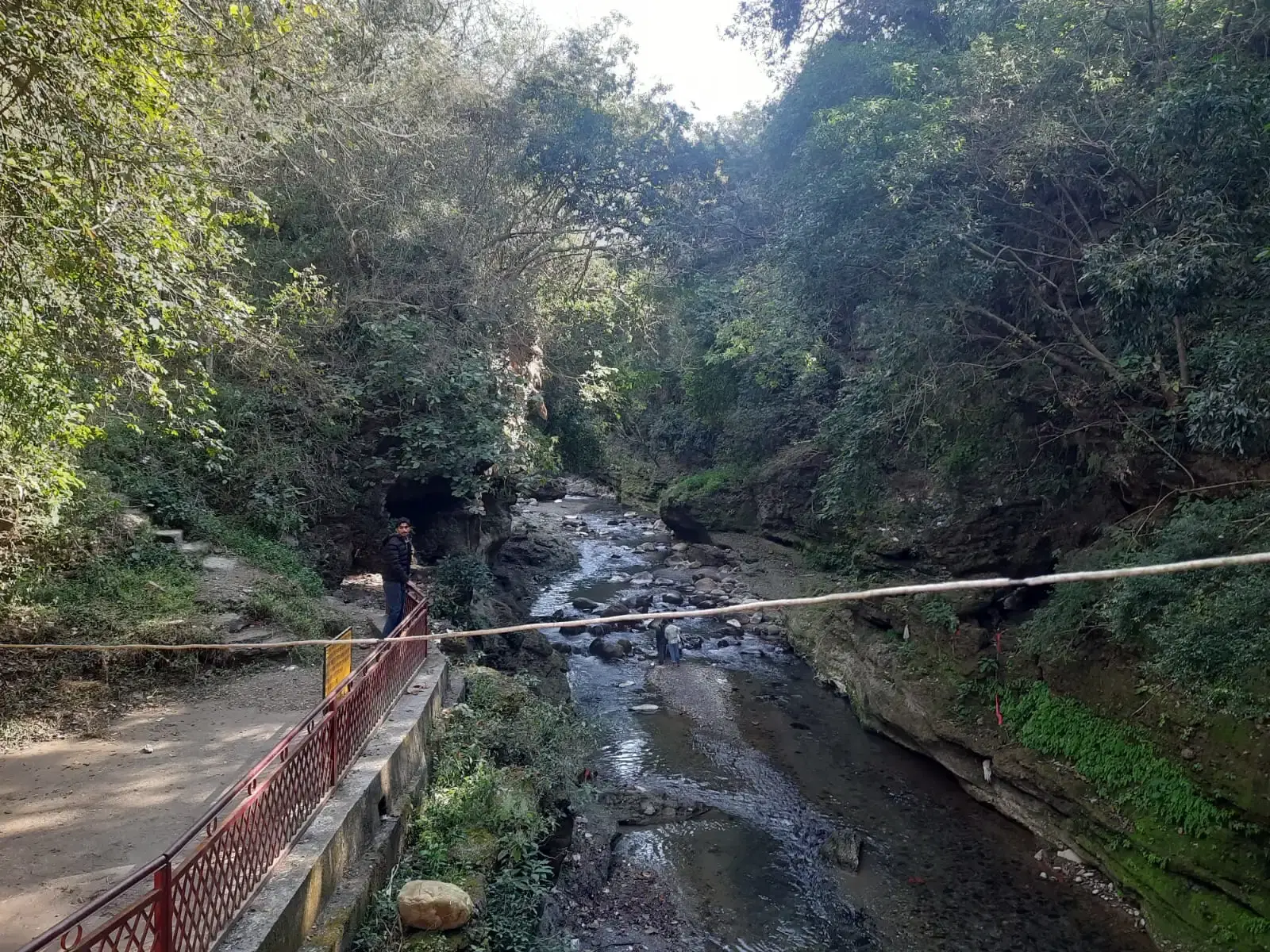
Respect temple customs and cantonment-area rules. Photography may be restricted inside the cave sanctum.
Mindrolling Monastery in Clement Town is one of Dehradun's most significant Buddhist sites. The monastic seat was established in India in 1976, and the Great Peace Stupa was inaugurated in 2002. Landscaped grounds, detailed murals, shrine rooms, and the monumental stupa create a calm contrast to the surrounding city.
Daytime visits to the Great Stupa generally do not require advance arrangement, but the complex remains a working center of study, prayer, and community life. Keep voices low, dress respectfully, and ask before photographing people or ceremonies. Some shrine rooms or upper sections may be closed during teachings, maintenance, or religious events.
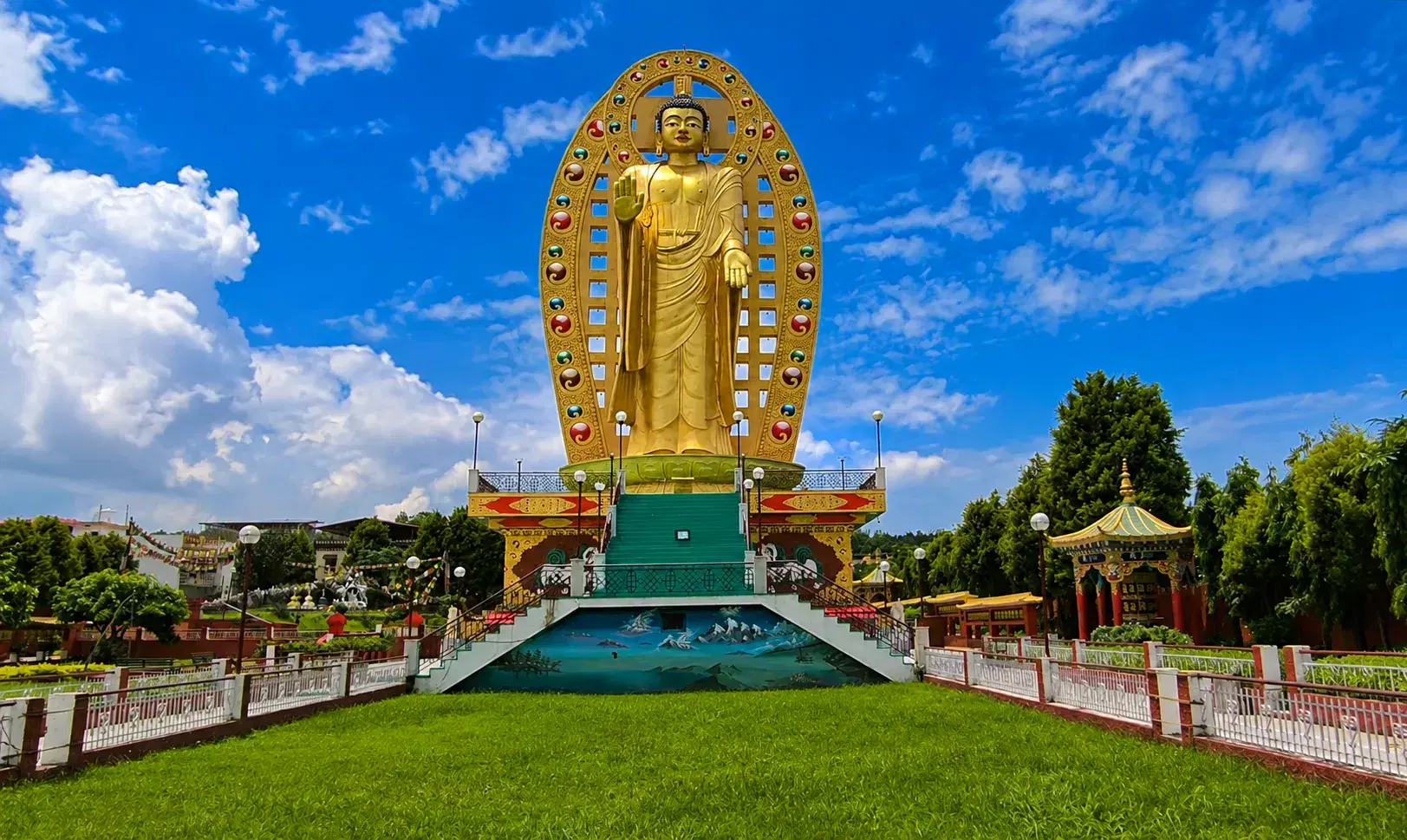
Extended stays, organized groups, and visits beyond the public stupa areas may require advance permission from the monastery.
Dehradun Zoo, formerly known as Malsi Deer Park, lies on Mussoorie Road at the foot of the Shivalik hills. The compact zoological park and forest-edge setting make it a convenient family stop when traveling between central Dehradun and the Mussoorie side of the valley.
Visit for a measured educational outing rather than expecting a large safari-style zoo. Animal exhibits, facilities, opening days, and entry arrangements can change, so confirm the current schedule. Follow enclosure rules, never feed wildlife, and avoid loud behavior that disturbs animals or other visitors.
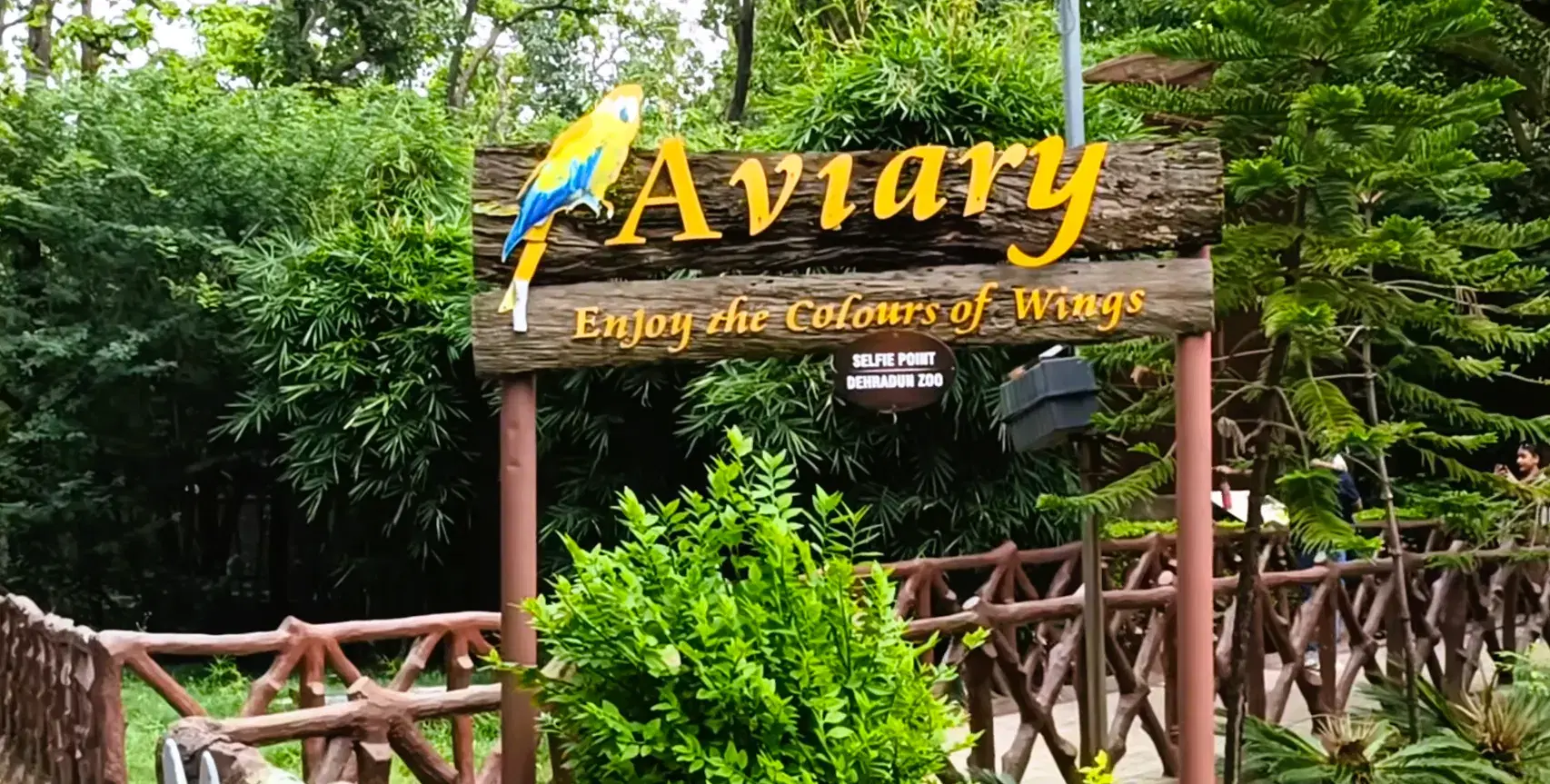
Do not feed, tease, or touch animals. Keep food packed away around enclosures and dispose of waste only in marked bins.
Look for regional preparations based on lentils, seasonal greens, hill grains, and simple local spices; availability varies by restaurant and season.
These Uttarakhand dishes may appear at restaurants specializing in regional food. Ask about preparation and spice level before ordering.
Dehradun's Tibetan communities and market areas make momos, thukpa, noodles, and related dishes easy to find.
The city has a long bakery culture; packaged rusks, biscuits, breads, and cakes are practical travel snacks and souvenirs.
Day 1
Day 2
Dehradun is more than a gateway: FRI and Mindrolling show its institutional and cultural depth, while Robber's Cave, Sahastradhara, and Tapkeshwar connect the city with the landscape of the Doon Valley.
Use this two-day plan as a flexible base, then adjust it for rainfall, traffic, mobility, worship schedules, and current attraction access.
Check these official resources for destination information and current notices. Confirm opening times, entry charges and access requirements before travelling.
Found something outdated? Send Traviya a correction.