
Spring
March–April
Plan riverside walks and temple visits with breaks during warmer hours.
Rishikesh brings together Ganga riverfront walks, temples, ashrams, yoga and access to nearby hills. A rewarding visit leaves time for the atmosphere of the ghats as well as the individual places on an itinerary.
This guide covers the main sights, nearby excursions, seasons, food, shopping and a flexible two-to-three-day plan. Check current bridge access and group visits by riverbank; a crossing shown on an old map may not be available. Adventure activities need a separate check of permissions, river conditions and participant requirements.
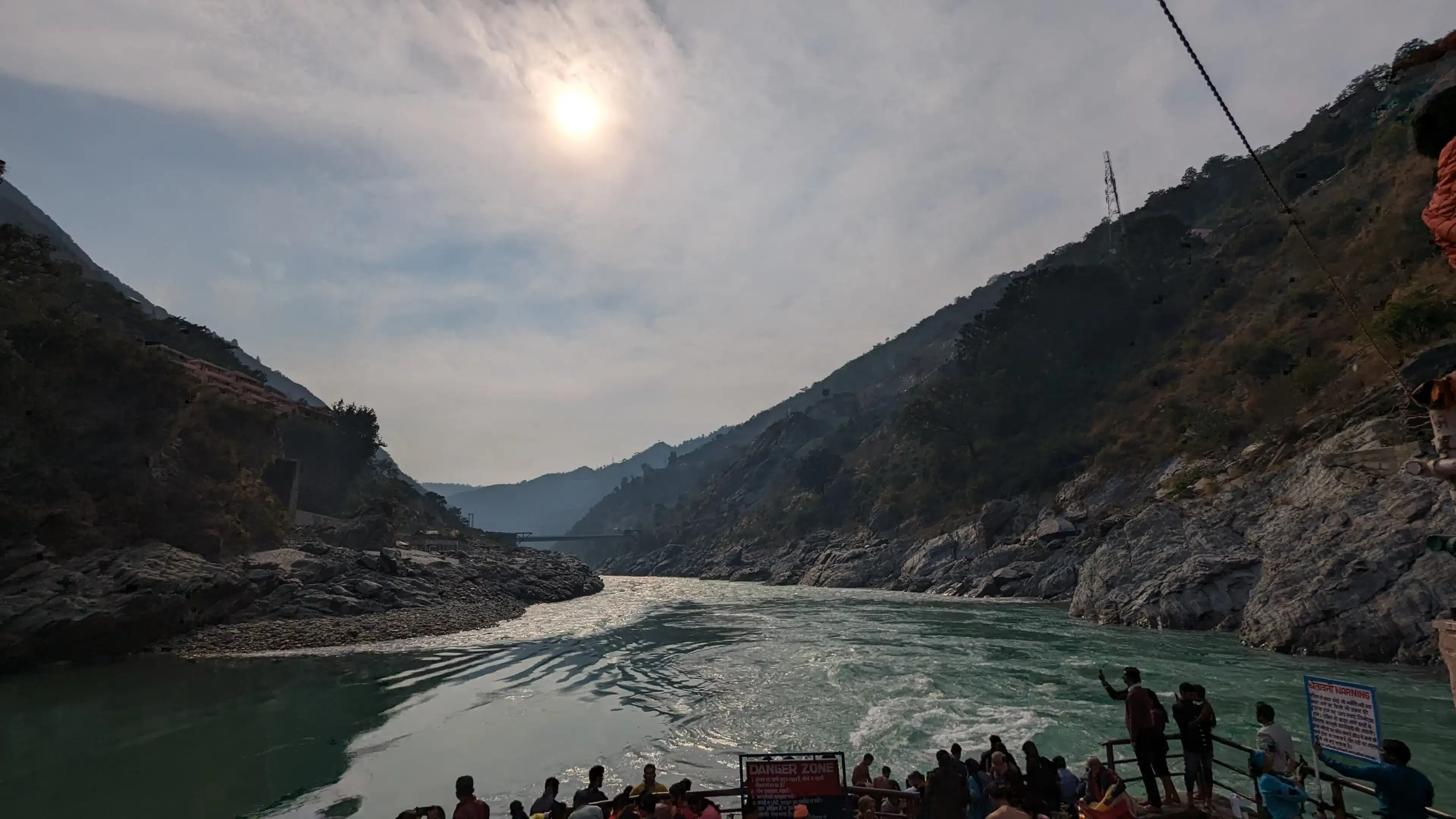
Spring and autumn are useful starting points for sightseeing. Summer can be hot around the river, while heavy monsoon rain can affect roads, trails and river activities. Rafting dates depend on current permissions and water conditions rather than a fixed sightseeing season.
March–April
Plan riverside walks and temple visits with breaks during warmer hours.
May–June
Start outdoor visits early and carry water; hill-road traffic can extend transfers.
July–September
Check rain, river and trail advisories; do not assume rafting or waterfall access is available.
October–February
Autumn is popular for sightseeing; winter mornings and evenings call for warm layers.
Explore itineraries featuring Rishikesh. Some cover multiple destinations; confirm the route, dates and inclusions with Thrillophilia.
Explore tours lasting at least 3 days from Viator. Some itineraries cover nearby destinations; check the route, departure point and inclusions before booking.
The Laxman Jhula and Ram Jhula areas are landmarks of Rishikesh’s riverfront, with views of the Ganga, temples and ashram neighbourhoods. They are separate bridge areas rather than a single compact stop. The visit remains worthwhile for the setting even when a particular crossing is unavailable.
Check the current pedestrian route before setting out and never enter a closed bridge. Group nearby sights by riverbank, leaving time for walking, crowds and any required detour. A local driver or your accommodation can help identify a suitable drop-off point. Keep busy approaches clear when stopping for photographs and avoid assuming a direct crossing is possible.
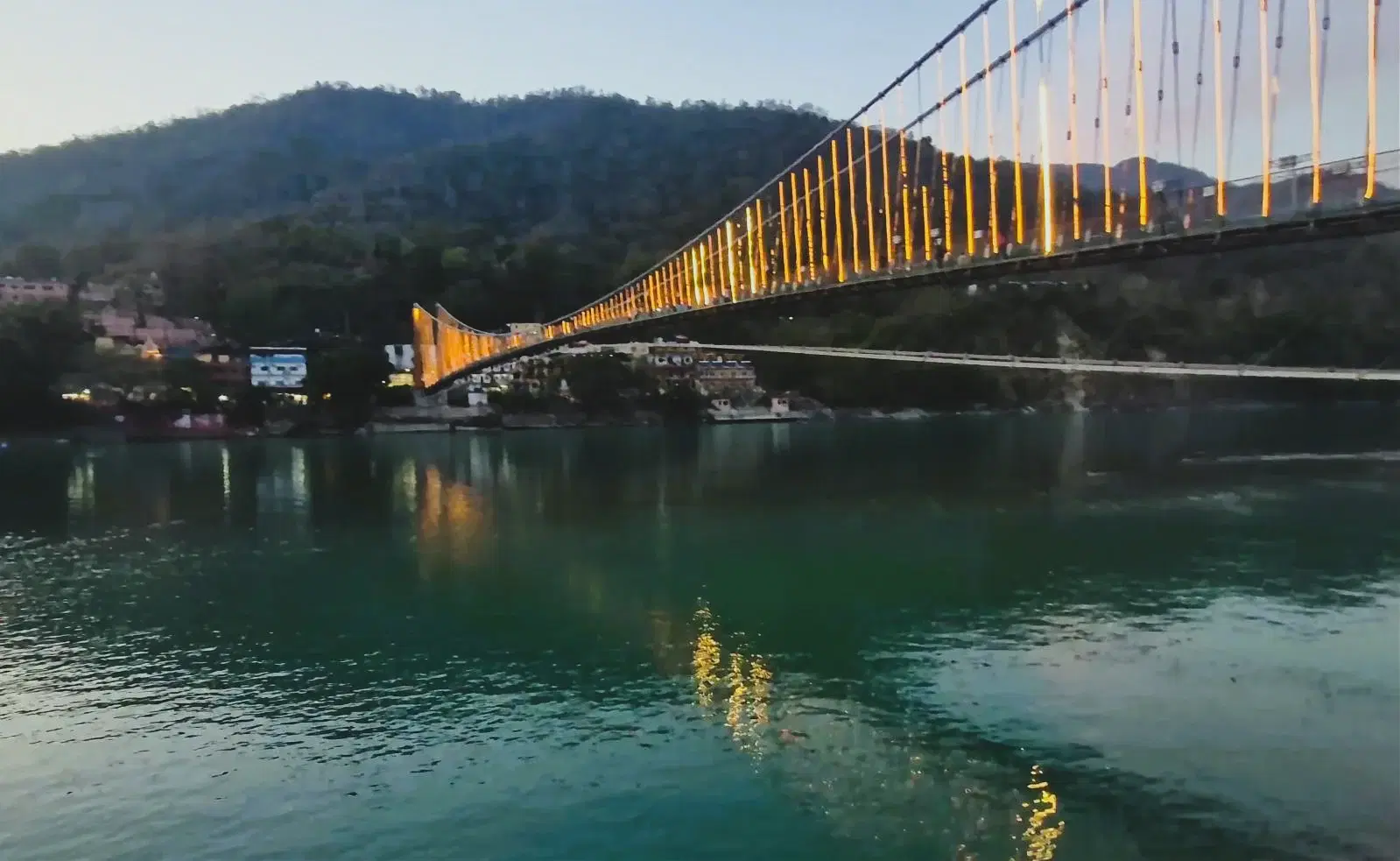
Use only crossings currently open to pedestrians and follow local barriers and traffic instructions.
Triveni Ghat is a riverside place of worship on the Ganga, associated in religious tradition with the Ganga, Yamuna and Saraswati. Its evening Ganga Aarti draws visitors who want to experience the lamps, devotional music and gathering on the steps. This religious association should not be confused with a geographical three-river confluence at the site.
Arrive with enough time to find a permitted viewing place without obstructing worshippers or access routes. Confirm the ceremony time locally and keep belongings secure in the crowd. The steps and waterside surfaces can be slippery, so choose a comfortable position and remain behind barriers. Combine the ghat with nearby market lanes instead of rushing straight into another distant excursion.
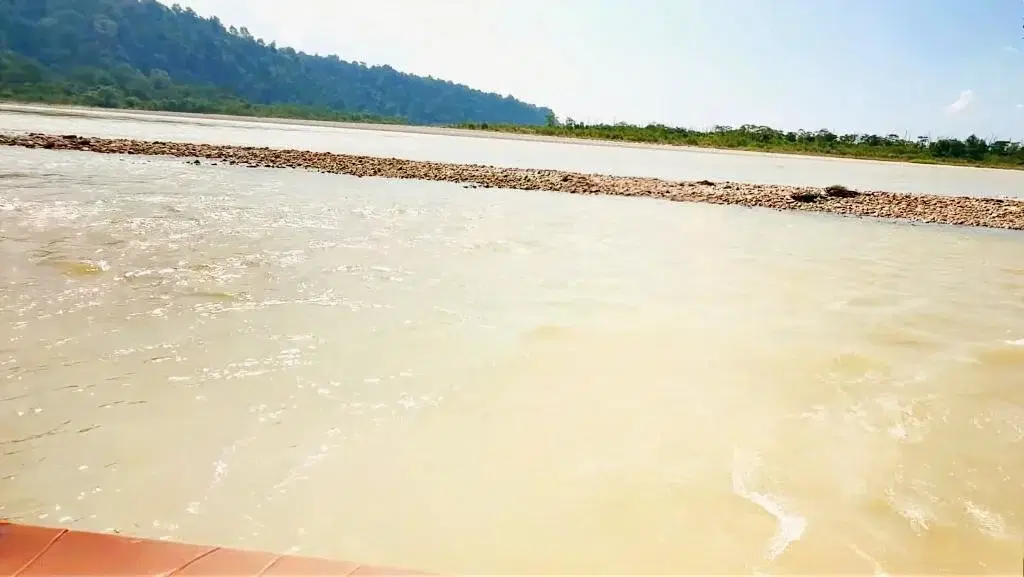
Confirm the ceremony time locally, respect worshippers and stay within permitted waterside areas.
The former ashram of Maharishi Mahesh Yogi is widely known as the Beatles Ashram after the band’s visit in 1968. Its meditation structures, walls and forested setting make it a different outing from an active temple or busy ghat. Visitors come for the cultural association, architecture and artwork rather than a guaranteed programme of classes.
Check the current entry arrangements and follow the marked visitor route through the site. Allow time for walking on uneven ground and carry water rather than assuming refreshments are available throughout the grounds. Take photographs only where permitted and avoid climbing on structures. Pair the visit with other sights on the same side of the river after checking the available crossings.
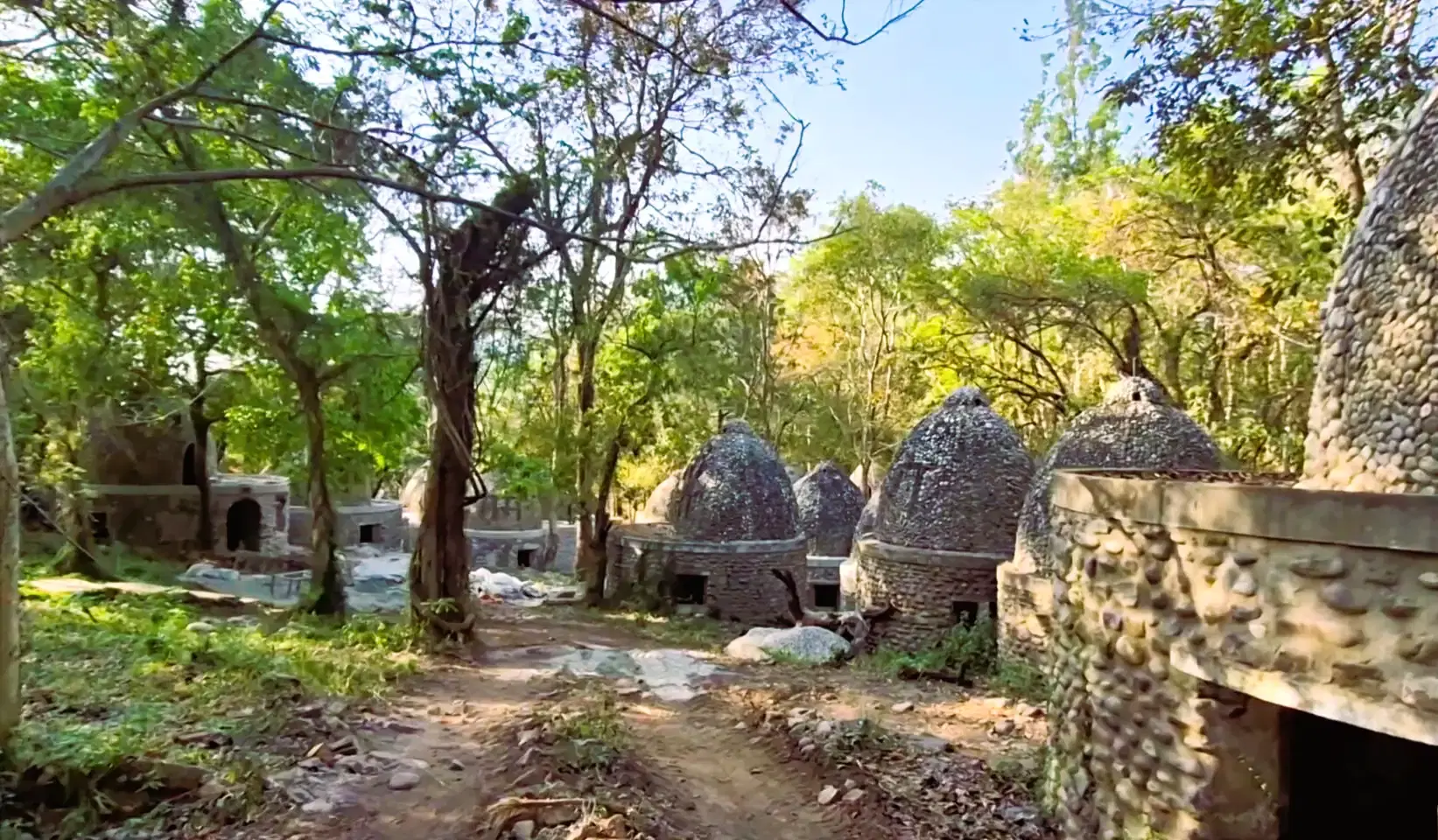
Confirm the current tariff and visitor category at the official entrance; wear shoes with good grip.
Explore tours lasting at least 3 days from Viator. Some itineraries cover nearby destinations; check the route, departure point and inclusions before booking.
Parmarth Niketan is an ashram on the Ganga associated with yoga, spiritual study and an evening Aarti programme. The riverfront setting gives visitors a place to pause between temple walks and other ashram visits. Worship and organised programmes are part of a working institution, so access should follow its current visitor arrangements.
Check the Aarti programme directly and allow time for the approach, seating and return journey. If you want a course, class or stay, confirm availability and any registration separately rather than assuming casual entry includes participation. Keep voices low around prayer spaces and ask before photographing people. Nearby walks can be combined according to the currently open river crossings.
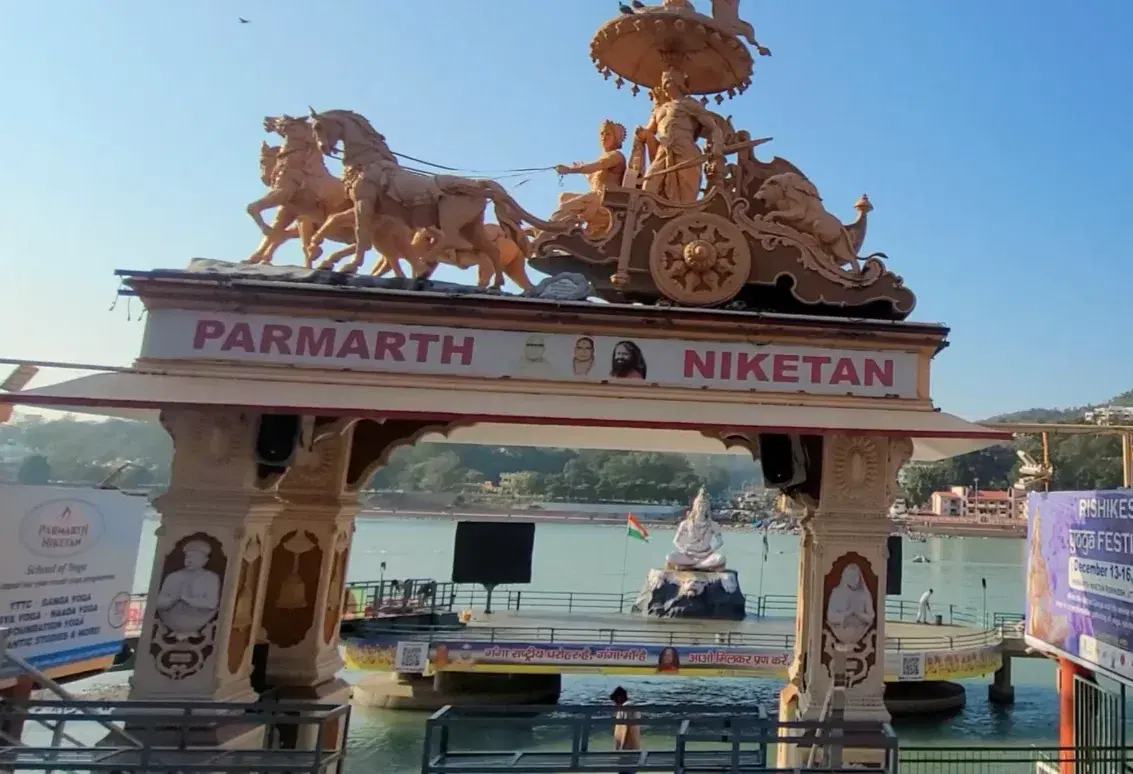
Confirm programme and class arrangements with the ashram; dress respectfully and keep worship access clear.
Neer Garh Waterfall is an outdoor excursion from Rishikesh that involves a walking approach through a hilly setting. The waterfall and surrounding greenery attract visitors looking for time away from the town’s busier riverfront. The route and water conditions matter more than a fixed walking time copied from an old itinerary.
Confirm whether the trail is open and assess the steps and slippery surfaces before continuing. Wear shoes with grip, carry water and turn back if conditions do not suit your group. Heavy rain can change the outing quickly, so do not enter unsafe water or cross barriers for photographs. Keep the visit separate from a full day of distant temples and return during daylight.
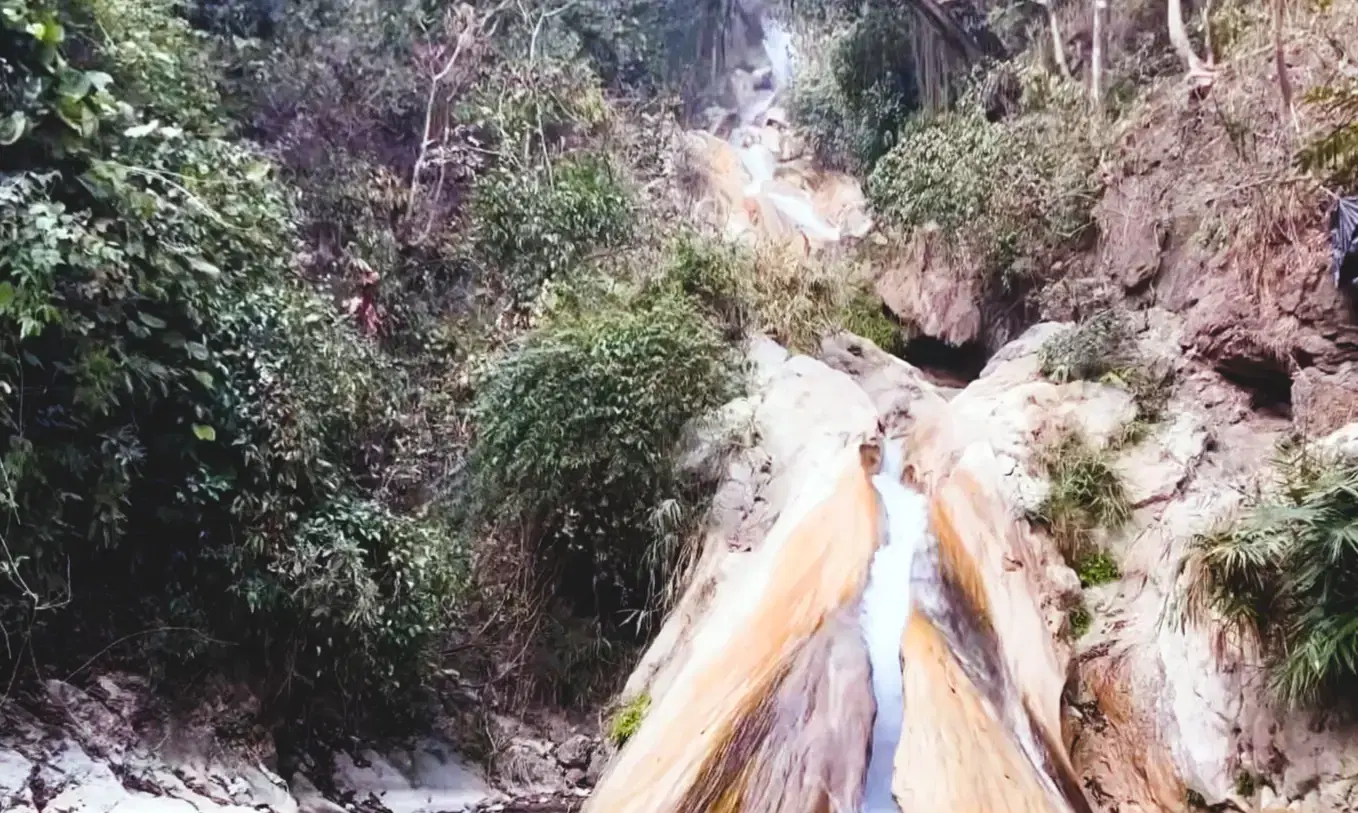
Check trail access and any current entry arrangements locally; avoid entering the water in unsafe conditions.
Shivpuri is associated with the adventure-travel corridor along the Ganga beyond Rishikesh. Visitors may use it as a base for a booked river activity or a quieter stay outside town. A general mention of rafting or camping does not establish that a particular stretch, site or activity is currently permitted.
Choose the operator and exact location before travelling, and ask what the booking includes. Confirm the participant requirements, equipment, river conditions and return transport for any activity. A scenic road outing or a rest at your accommodation is a reasonable alternative if water activities are unavailable. Use authorised accommodation and follow current restrictions rather than improvising a camp on the riverbank.
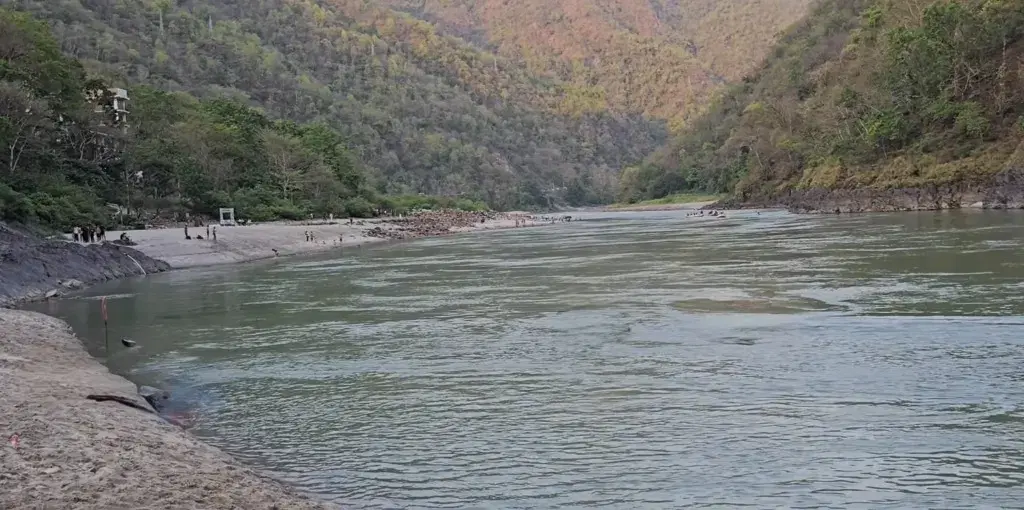
Book only currently permitted activities with a registered operator; confirm participant suitability and transport.
Explore tours lasting at least 3 days from Viator. Some itineraries cover nearby destinations; check the route, departure point and inclusions before booking.
Tera Manzil Temple is a multi-level religious landmark near the Laxman Jhula area, with shrines and outlooks over the riverfront. It offers a temple-focused stop within that neighbourhood rather than a separate full-day excursion. The upper levels involve stairs, so the amount you explore should match your comfort and mobility.
Confirm the entrance and current visitor arrangements before beginning the climb. Remove footwear where required, keep shrine entrances clear and take breaks between levels. Visitors who prefer less walking can choose a shorter visit rather than feeling obliged to reach the top. Plan the approach using currently open crossings, and combine the temple with nearby permitted riverfront walks.
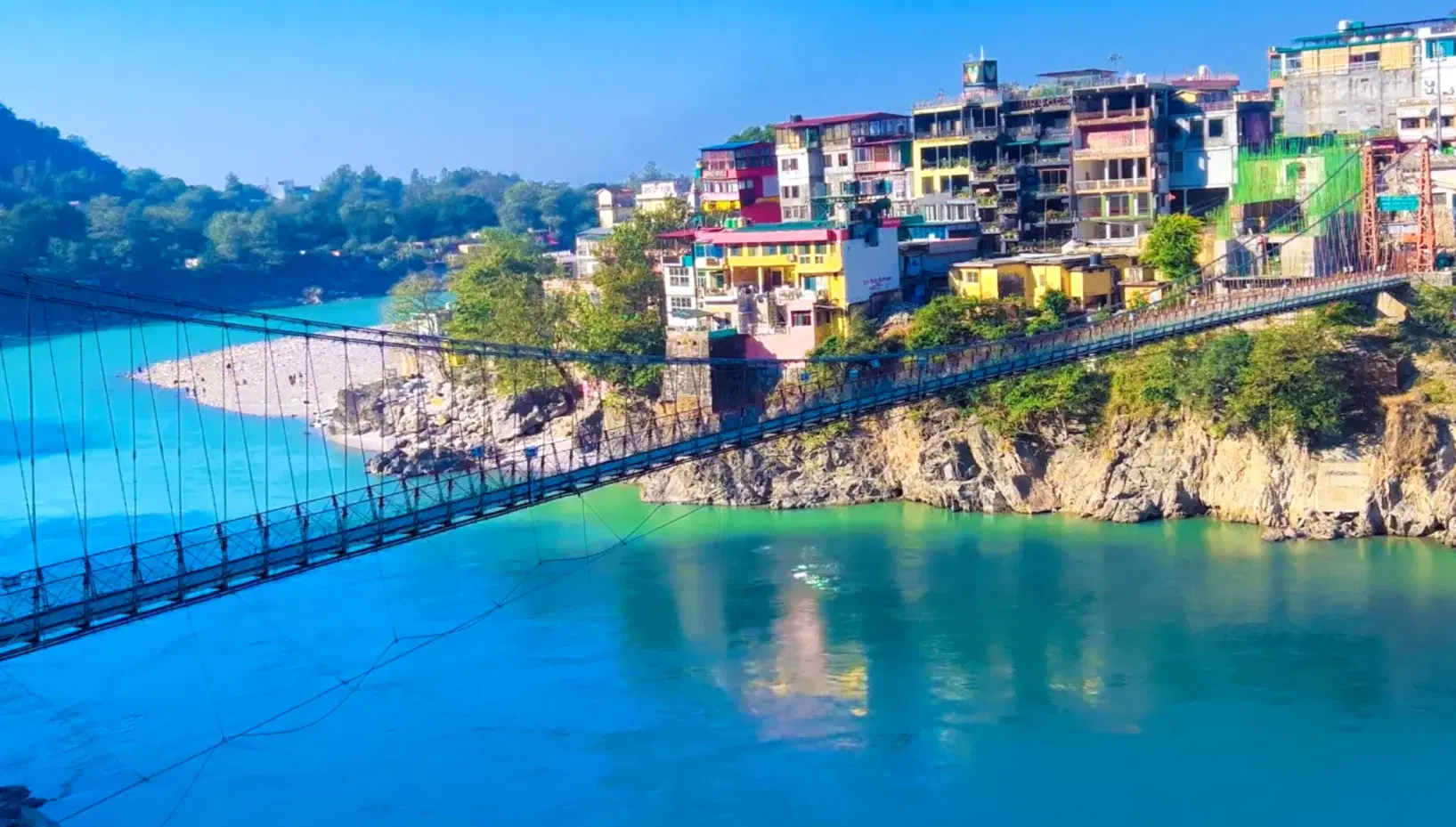
Assess the stairs before climbing and follow shrine footwear and photography rules.
A visit to the Rajaji protected landscape is a separate forest outing from Rishikesh, arranged through an open visitor gate and an authorised route. The attraction is the habitat and the chance to observe wildlife with appropriate guidance. A visit should not be sold as a guaranteed sighting of tigers, elephants or any other species.
Confirm the exact gate, current season, booking arrangements and vehicle requirements before travelling. Keep the driving time separate from the forest visit and follow staff instructions throughout. Choose only activities permitted by the reserve; do not assume walking or elephant rides are available. Carry essentials, keep noise low and leave time to return without a rushed evening transfer.

Confirm access with the reserve or an authorised operator; wildlife sightings are not guaranteed.
Kunjapuri Devi Temple is a hilltop religious excursion in the Narendra Nagar area, known for its broad outlook over the surrounding hills and valleys. Visitors come for worship and the mountain setting, with clear weather adding to the views. The approach includes an uphill section that should be assessed separately from the road journey.
Choose a visit time that leaves enough daylight and flexibility for the climb and return. If planning an early-morning outing, confirm transport and the current temple approach in advance. Wear shoes suitable for steps, carry water and avoid rushing to reach a viewpoint. Weather can obscure the panorama, so treat the temple and its setting as the focus rather than a guaranteed mountain photograph.
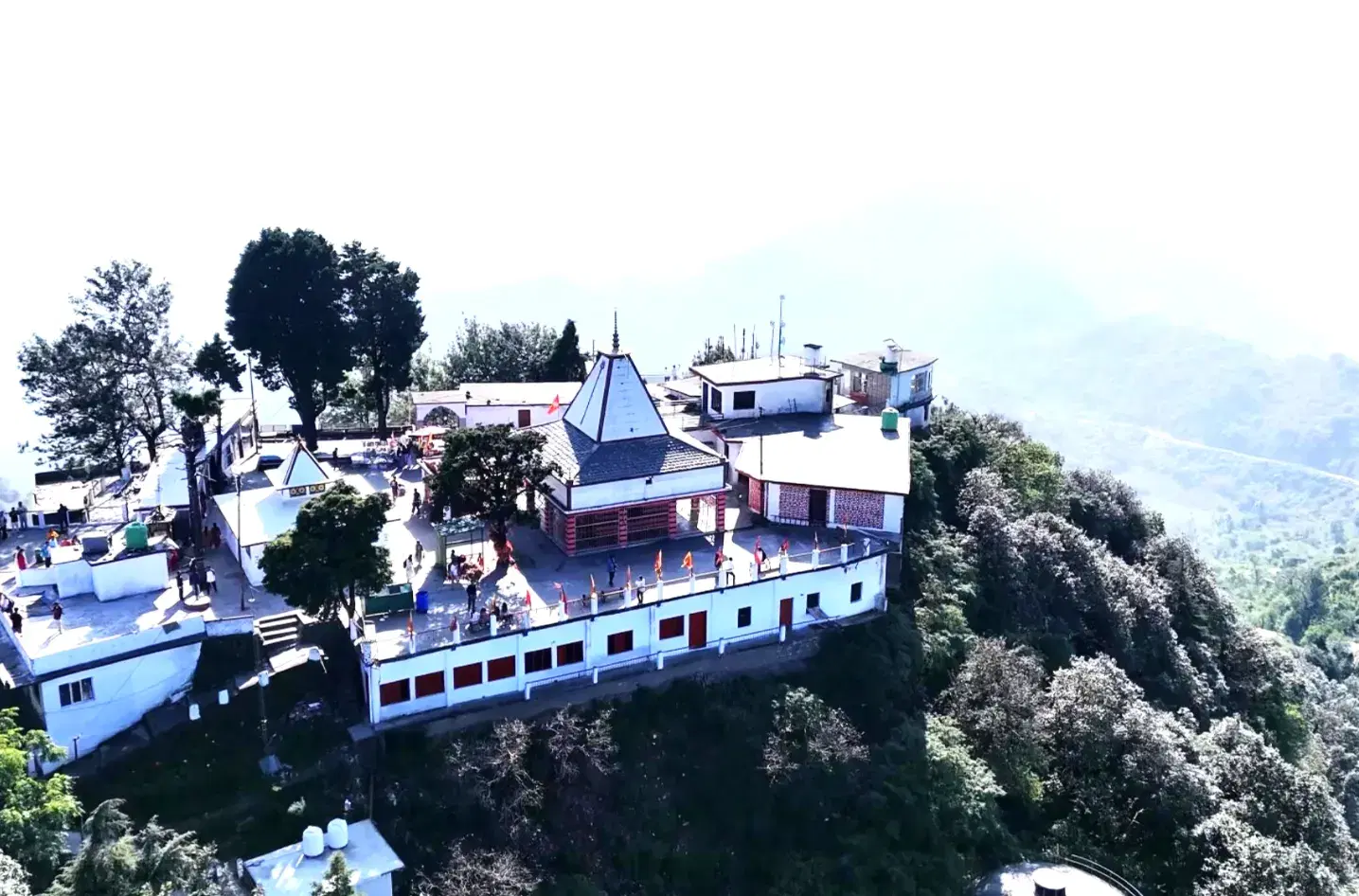
Check the approach, weather and return transport; the climb may require assistance.
Explore tours lasting at least 3 days from Viator. Some itineraries cover nearby destinations; check the route, departure point and inclusions before booking.
Vashishta Gufa is a cave and religious retreat associated with the sage Vashishta in local devotional tradition. The attraction is a quiet setting for reflection rather than a place for a busy group activity. Treat stories about the sage as religious tradition, not as independently established dates or promises of spiritual outcomes.
Confirm current access and visiting arrangements before making the road journey from Rishikesh. Keep the cave visit quiet and assess whether a confined, dim space suits everyone in your group. Follow instructions around footwear, photography and the nearby river. Combine the outing with a compatible road route, but leave time to return during daylight rather than adding an unplanned late stop.
Respect silence and assess the confined space; use only permitted river access areas.
Separate city excursion
A separate ghat and temple outing; allow time for crowds and the return journey.
Separate hill-road excursion
Consider a dedicated temple journey after checking the road, queues and walking requirements.
Regional outing
A hill-road extension to consider with a suitable local route and enough daylight.
Separate onward destination
Allow another day for its heritage, gardens and other sights rather than adding them to a short Rishikesh circuit.
A practical meal of breads or rice, lentils and vegetables; ask what is included.
Choose freshly prepared snacks at busy eateries and check ingredients if you have dietary needs.
The ashram and riverfront areas offer varied café menus; compare the location with your walking route.
Leave time for a simple tea break between visits, and use safe drinking water.
Explore itineraries featuring Rishikesh. Some cover multiple destinations; confirm the route, dates and inclusions with Thrillophilia.
Day 1
Day 2
Day 3 (optional)
BEFORE YOU GO
Find helpful answers and plan your next journey with confidence.
Rishikesh is best explored with time for both its riverfront atmosphere and its temples and ashrams. A slower plan makes it easier to adapt to queues, crossings and the weather.
Build the visit around your riverbank and interests, then add one well-planned excursion when current conditions allow.
Check these official resources for destination information and current notices. Confirm opening times, entry charges and access requirements before travelling.
Found something outdated? Send Traviya a correction.


