Spring and summer
March–June
Comfortable for walks, viewpoints, and family sightseeing, but weekends and holidays can be crowded.

Mussoorie, the Queen of the Hills, overlooks the Doon Valley and combines Himalayan viewpoints, waterfalls, colonial landmarks, Mall Road, and the quiet lanes of Landour.
Developed as a hill station in the 1820s, Mussoorie suits families, couples, and weekend travelers. Plan two to three days for a relaxed visit. Its winterline is best seen on clear evenings from October to February. Travelers continuing through Uttarakhand can combine Mussoorie with our Rishikesh travel guide.
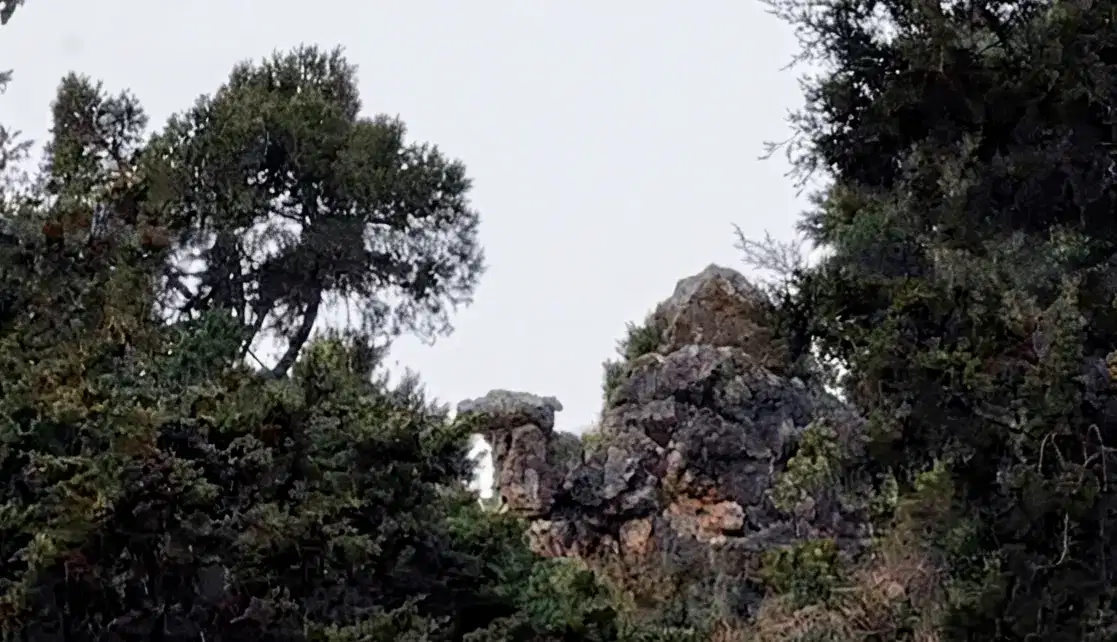
Scenic mountain and valley views from Camel's Back Road in Mussoorie.
Need a cab in Mussoorie?
March to June is the busiest season for comfortable sightseeing, while October and November often bring cooler air and clearer views. Monsoon makes the hills green but can disrupt roads and outdoor plans. Winter is quieter and much colder; snowfall is possible but never guaranteed.
March–June
Comfortable for walks, viewpoints, and family sightseeing, but weekends and holidays can be crowded.
July–September
Lush scenery and waterfalls, with rain, fog, slippery paths, and possible hill-road delays.
October–November
Cooler weather, a better chance of clear mountain views, and the start of the winterline season.
December–February
Cold mornings and evenings; carry heavy layers and check weather and road conditions before departure.
Mall Road connects the Library Chowk and Kulri Bazaar sides of central Mussoorie. Shops, cafés, bakeries, colonial-era buildings, and Doon Valley viewpoints make it the town's busiest evening walk and the easiest place to experience Mussoorie without arranging a vehicle.
Walk rather than trying to cover the area by car, pause at permitted viewpoints, and keep the return route in mind if your hotel is above or below the main promenade. The road becomes crowded on weekends and holidays, so mornings suit relaxed photography while evenings offer the liveliest atmosphere.
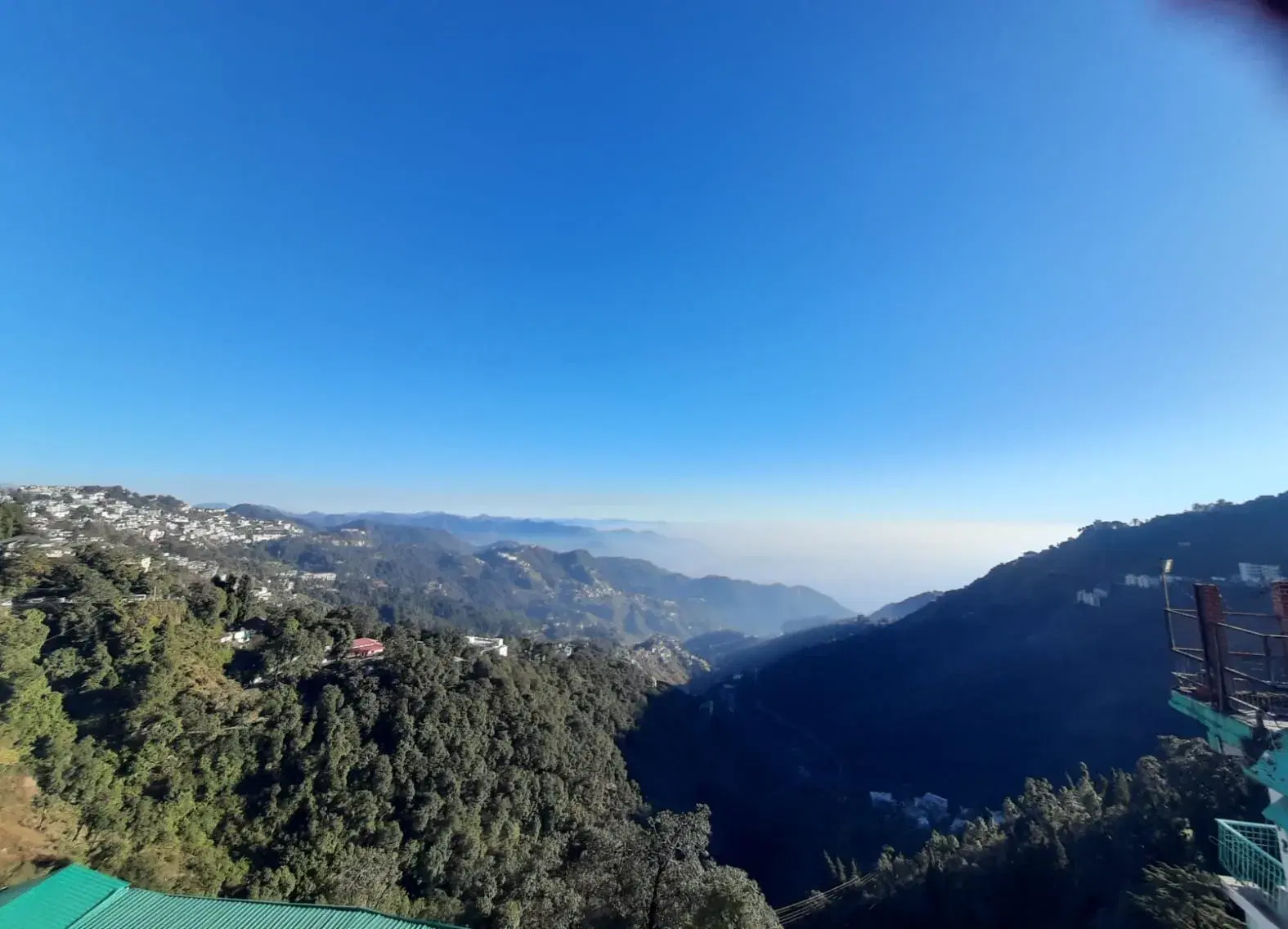
Vehicle restrictions, paid entry to Mall Road, and parking arrangements can change by season. Follow current municipal signs and use only designated parking.
Kempty Falls is Mussoorie's best-known waterfall, located on the Yamunotri road outside town. The official tourism pages place it roughly 15 km from Mussoorie, in a mountain valley that attracts large numbers of day visitors.
Arrive early if you want a less crowded view, use marked paths, and treat bathing as optional rather than essential. Water flow, pool depth, and surface grip change with rain, so follow local safety instructions and avoid entering the water during unsafe conditions.
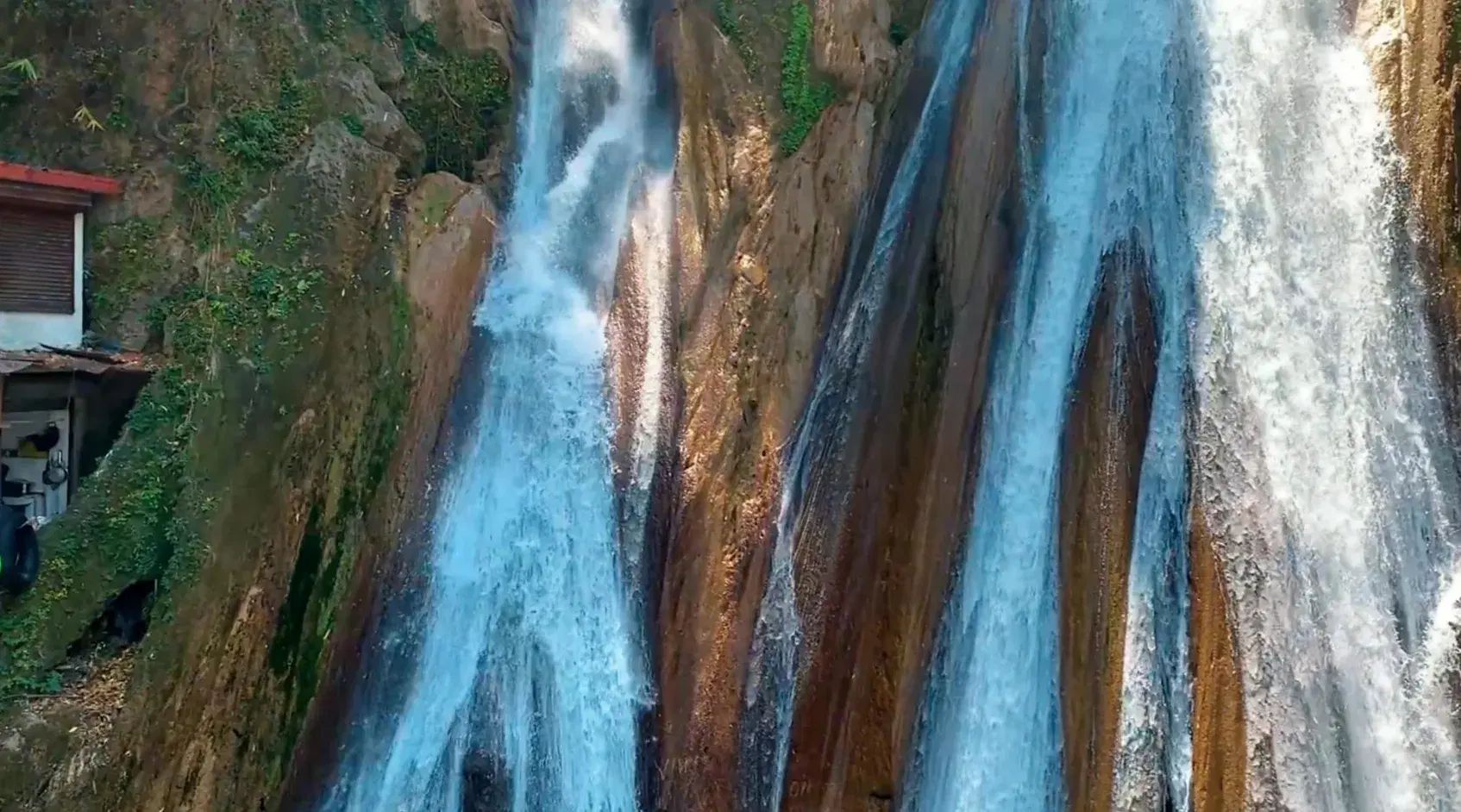
The waterfall itself may not require a general entry ticket, but parking, changing facilities, ropeway rides, and other activities can have separate charges. Confirm them on arrival.
Lal Tibba is the highest hill in Mussoorie, listed by Uttarakhand Tourism at about 2,438 meters. The Landour ridge offers broad Himalayan views when the sky is clear, with sunrise light often providing the best visibility.
Combine the viewpoint with a slow Landour walk through Sisters' Bazaar, St Paul's Church, and Char Dukan. The area is quieter than central Mussoorie but has narrow roads and limited parking, so walking responsibly is part of the experience.
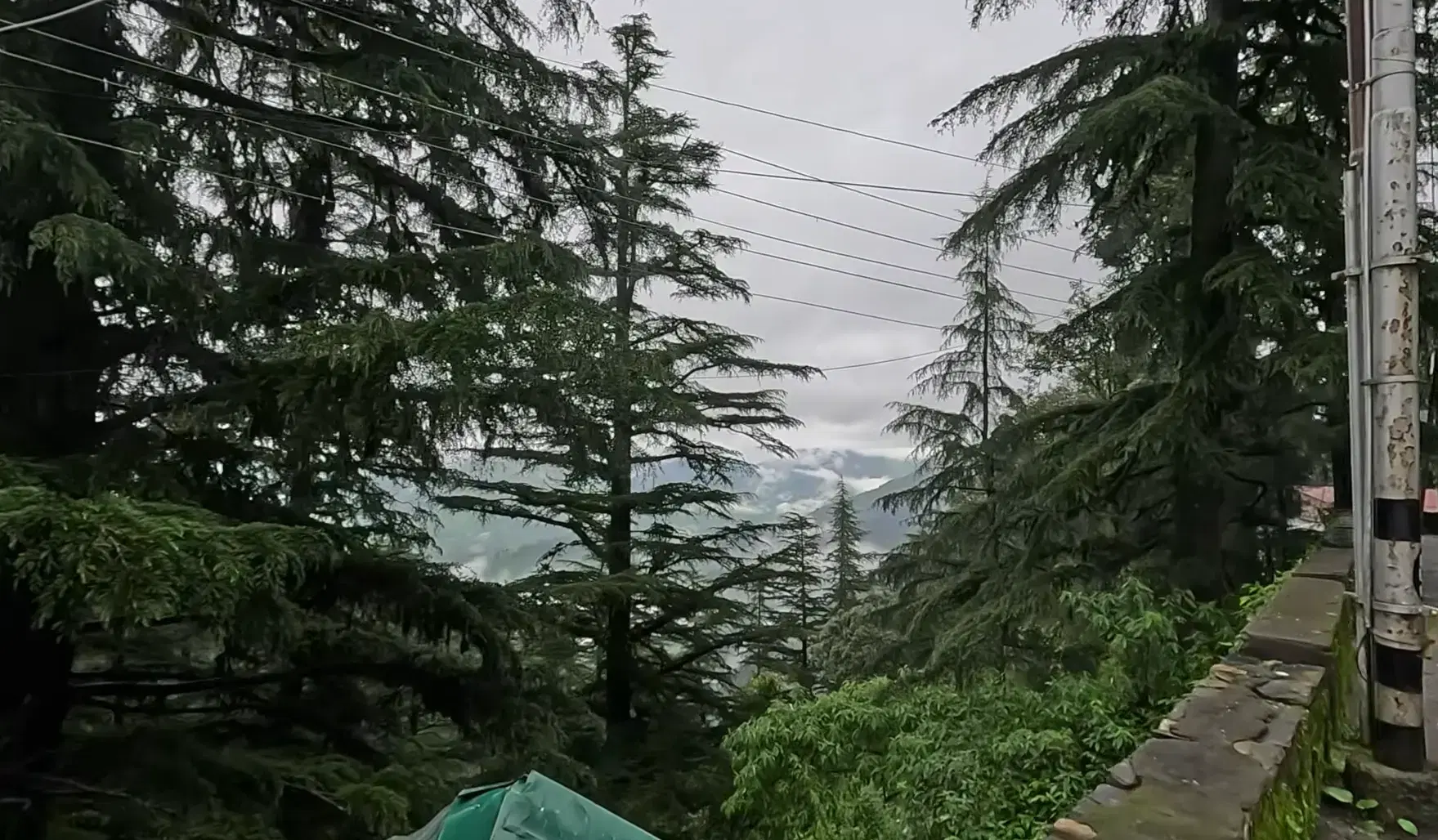
Landour includes cantonment-managed roads and residential areas. Respect parking, noise, photography, and access restrictions.
Gun Hill is Mussoorie's second-highest peak, listed by official tourism sources at about 2,122 meters. A ropeway from the Mall Road area provides the popular approach, while the summit offers views over Mussoorie, the Doon Valley, and distant Himalayan ranges in clear weather.
The viewpoint also has snack stalls and paid activities, so the atmosphere is busier than Lal Tibba. Plan around ropeway queues, keep children close near crowded edges, and do not depend on telescopic mountain views when cloud or haze is present.
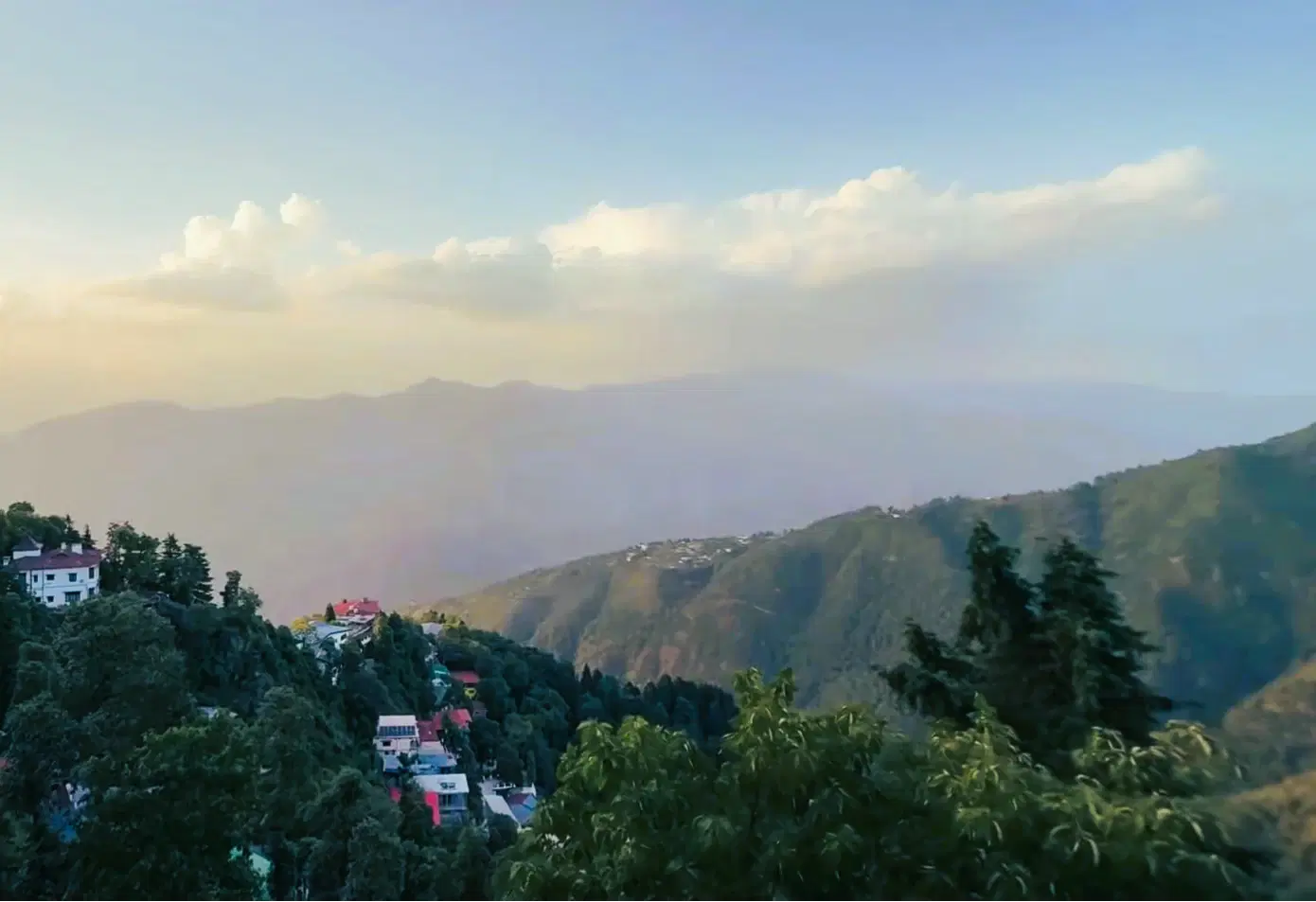
Published hours can change with weather and ropeway operations. Keep loose items secure and follow all operator instructions.
George Everest House, also called Park Estate, preserves the former home, observatory, and laboratory associated with Surveyor-General Sir George Everest. Official tourism sources date the building to 1832 and highlight views towards the Doon Valley, the Aglar River valley, and the Himalayan ranges.
The restored site and surrounding ridge appeal equally to history-focused visitors and walkers. The final approach can be exposed, uneven, and crowded, so allow enough daylight, wear shoes with grip, and avoid treating the cliff edges as informal photo platforms.
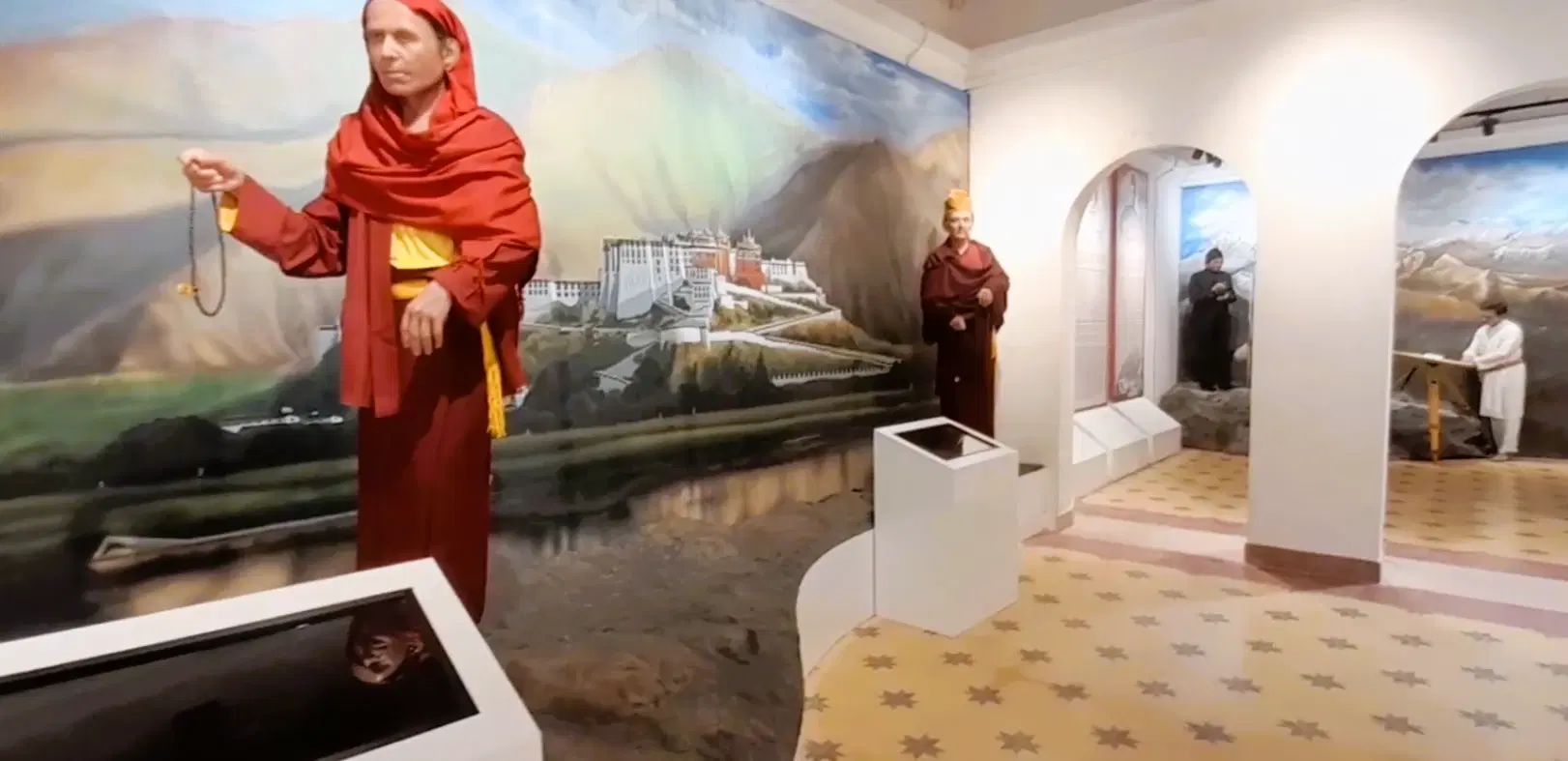
George Everest House and the nearby ridge are related but distinct stops. Do not duplicate them as separate attractions in your itinerary; confirm the current access system on arrival.
Camel's Back Road is a roughly 3 km walking stretch between the Kulri and Library sides of Mussoorie, named for a natural rock formation resembling a seated camel. It is best enjoyed as a calm morning or sunset walk rather than a quick transport shortcut.
The road offers changing valley views, colonial-era surroundings, and a break from the most crowded part of Mall Road. Keep to the safer side of the road, remain visible in fog, and avoid exposed edges when rain makes the surface slippery.
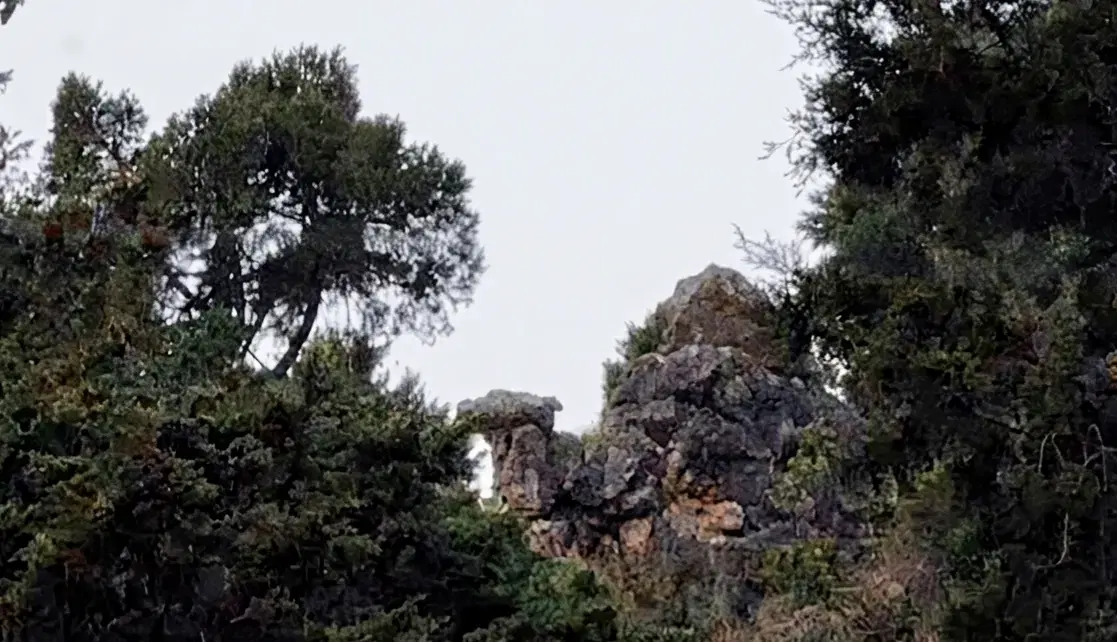
The route is not uniformly flat or barrier-free. Travelers with limited mobility should explore a shorter section from the more convenient end.
Mussoorie Lake is an artificial lake on the Dehradun–Mussoorie road, about 6 km before the town, according to Uttarakhand Tourism. Paddle boating and valley views make it a convenient family stop while arriving in or leaving Mussoorie.
Treat it as a short recreation break rather than a natural wilderness lake. Activity availability depends on weather and operations, so inspect life jackets, supervise children closely, and confirm all charges before buying a combined ticket.
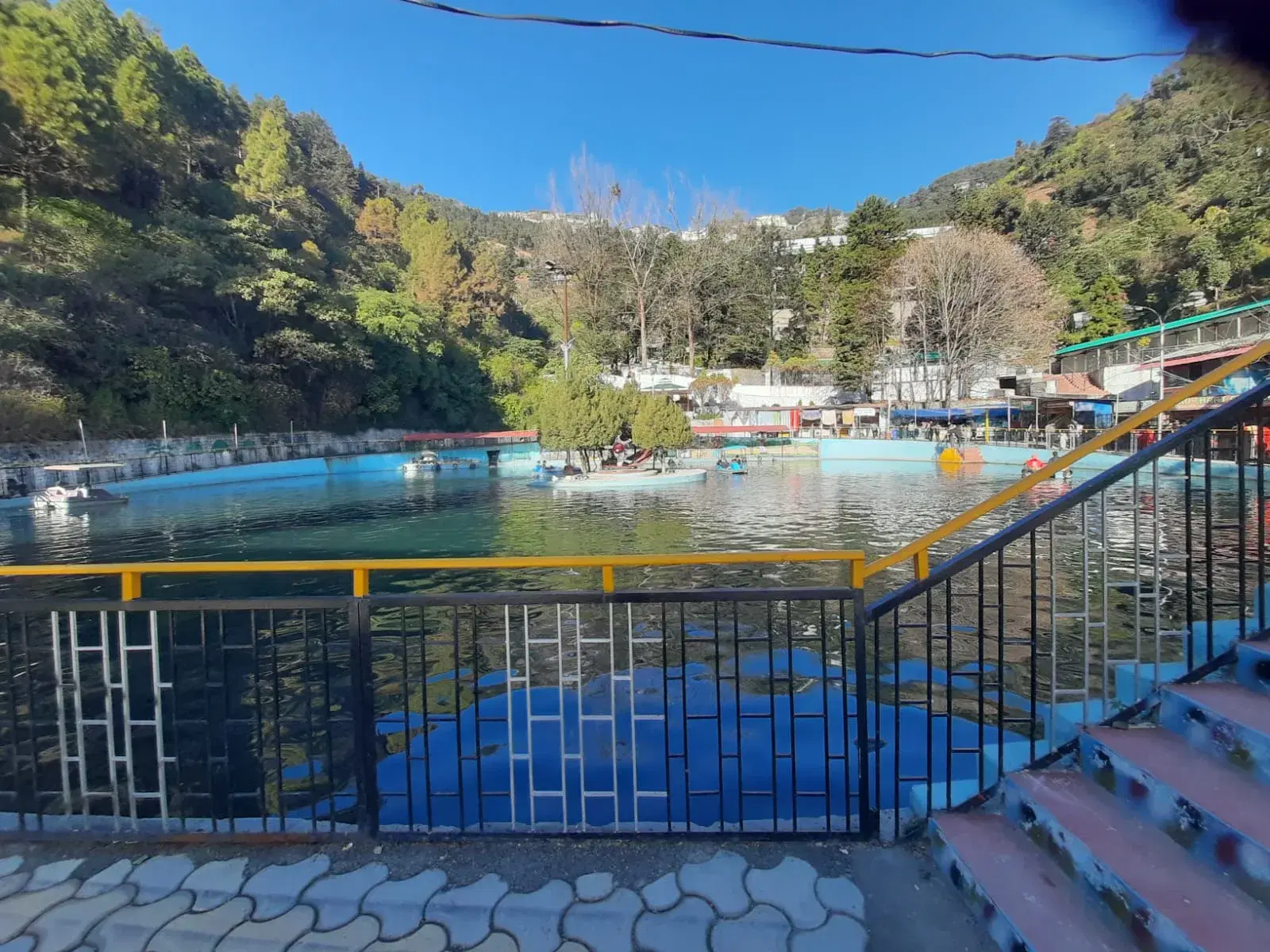
Timings and activities are weather-dependent. Follow operator weight limits and keep children within reach around the water.
Company Garden, also known as Municipal Garden, is a landscaped family attraction with seasonal flowers and recreation facilities. Uttarakhand Tourism identifies it with Mussoorie's earlier botanical garden and notes its continuing role as a popular leisure stop.
The experience varies with season and maintenance, so visit for a relaxed family break rather than expecting a major botanical collection. Check current toy-train, boating, and amusement operations locally before promising them to children.
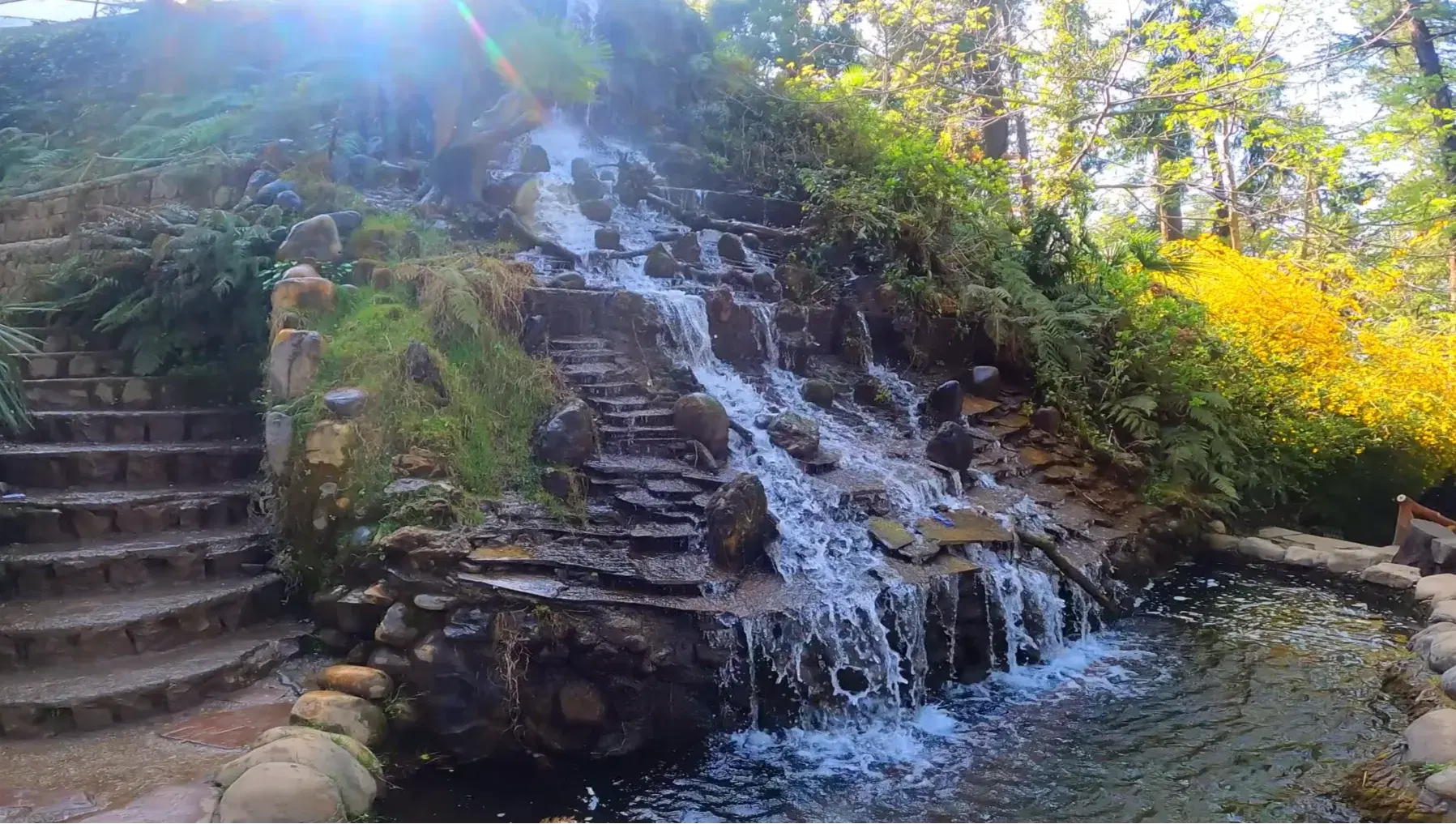
Online fees and timings become outdated quickly. Use the current entrance-board information as the final reference.
Bhatta Falls is a natural waterfall on the Mussoorie–Dehradun side, listed by Uttarakhand Tourism at about 8 km from Mussoorie. It offers a quieter waterfall outing than Kempty on some days, although access and crowd levels vary by season.
Use marked approaches, avoid slippery rock edges, and do not enter pools after heavy rain or when local staff advises against it. Facilities are simpler than at the larger tourist complexes, so carry water and keep your schedule within daylight.
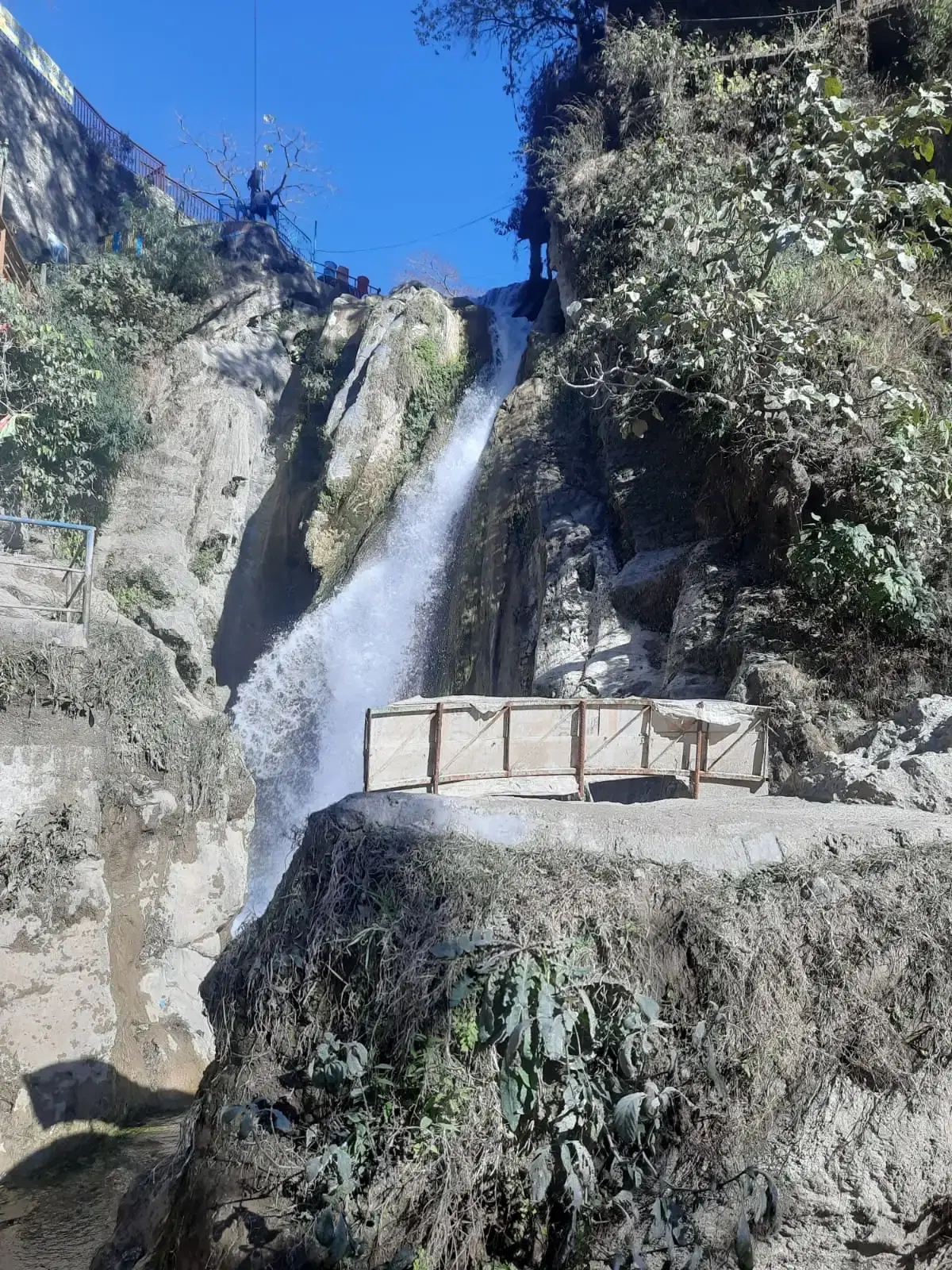
Waterfall conditions change after rain. Follow local warnings and keep children away from unguarded water and rock edges.
Happy Valley is associated with Mussoorie's Tibetan community and is also known for nearby institutions, temples, and the Company Garden side of town. Uttarakhand Tourism includes it in an official Mussoorie weekend circuit.
Visit respectfully because this is a lived-in community rather than a staged attraction. Check whether individual temples or institutions are open, dress modestly, and ask before photographing people or religious spaces.
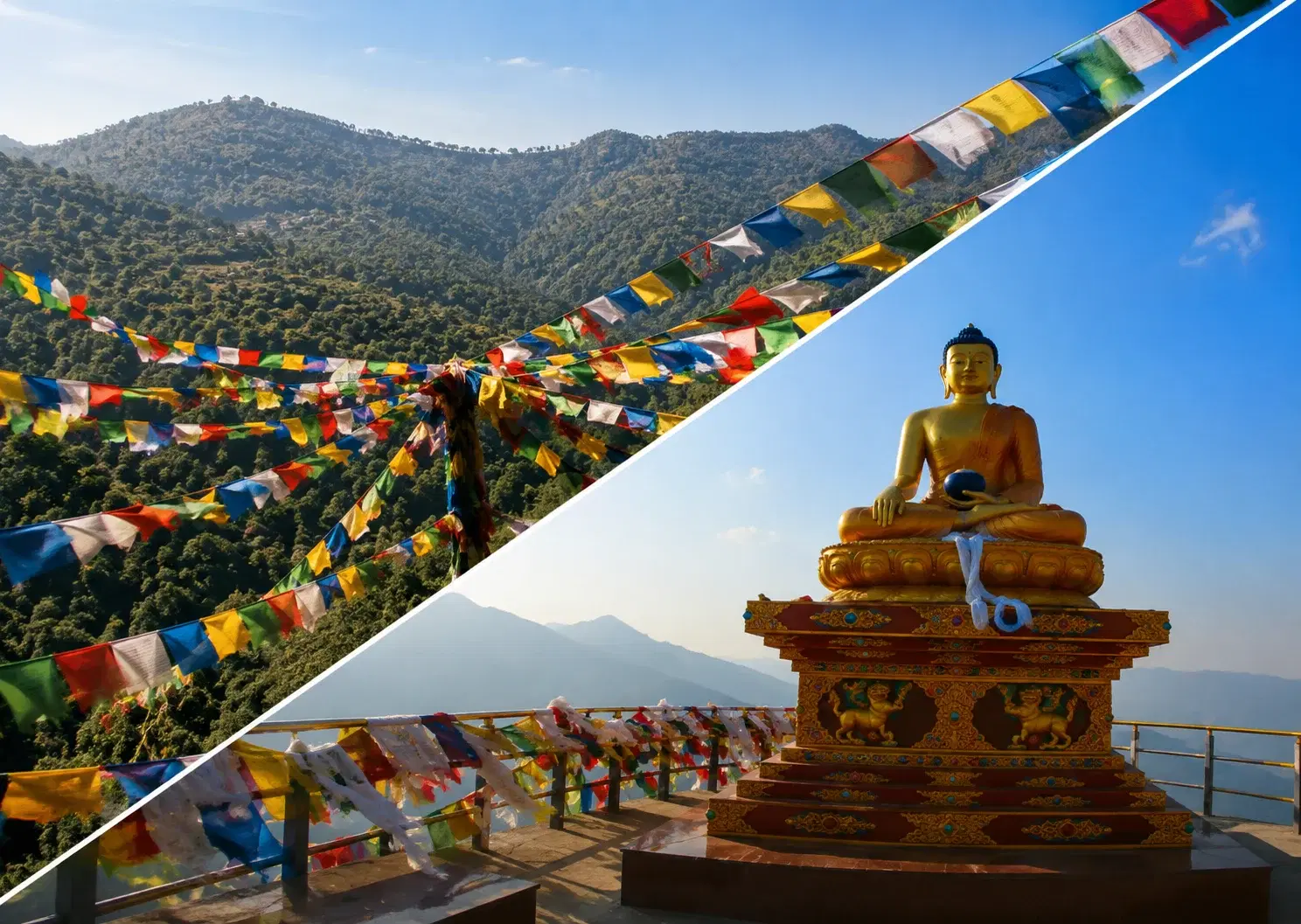
Access to institutions can change without notice. Public roads do not imply public access to every building or compound.
Western edge of Mussoorie · Half-day outing
A forest-edge excursion near the George Everest and Benog side of Mussoorie. Confirm the final road, property access, fees, and walking conditions locally before departure.
About 9 km from Mussoorie · Final walk required
Uttarakhand Tourism notes a final walk of about 1.5 km. Visit only in safe weather and wear shoes suitable for wet, uneven ground.
Nature outing · Official listing: 7:00 AM–5:00 PM
A forest and birdwatching excursion south of Mussoorie. Confirm permits, guides, trail access, and current forest rules before leaving town.
Day trip from Mussoorie
The Dehradun district administration lists Dhanaulti as about 24 km from Mussoorie. Surkanda Devi adds a spiritual stop but involves additional driving and walking.
Longer scenic day trip
A quieter extension beyond Dhanaulti for travelers with a reserved vehicle, enough daylight, and flexibility for mountain-road conditions.
About 35–38 km by road
The nearest major city, railway station, and transport hub. Forest Research Institute, Robber's Cave, and city markets can form a separate sightseeing day.
Separate full-day or onward circuit
Continue to Rishikesh for riverfront and yoga experiences or to Haridwar for ghats and temples. Avoid forcing both into a short Mussoorie sightseeing day.
Look for a simple regional meal featuring seasonal greens, lentils, hill grains, and local-style curries rather than expecting one fixed tourist menu.
Momos, thukpa, tingmo, soups, and Tibetan tea are widely associated with Mussoorie's food scene.
Char Dukan and central market areas are known for omelets, Maggi, pakoras, tea, and quick walking-day snacks.
Landour and Mall Road offer breads, cakes, pastries, hot chocolate, coffee, and old hill-station café experiences.
Uttarakhand sweets make useful edible souvenirs; buy from established shops and check freshness before traveling.
Day 1
Day 2
Day 3
Mussoorie works best when you balance its busy icons with slower ridge walks: Mall Road and Kempty Falls show the popular hill station, while Landour, Camel's Back Road, and George Everest reveal its quieter landscape and history.
Use this itinerary as a flexible starting point, then adjust it for weather, walking comfort, traffic, daylight, and current local access.
Check these official resources for destination information and current notices. Confirm opening times, entry charges and access requirements before travelling.
Found something outdated? Send Traviya a correction.