
Spring and summer
March-June
Pleasant for local sightseeing, forest walks, and the Pauri-Khirsu circuit.
Pauri Garhwal combines Himalayan viewpoints, oak and pine forests, old temples, quiet hill roads, and village landscapes. Pauri town is the district headquarters and a practical base for Kandoliya, Kyunkaleshwar, Nag Dev Temple, Khirsu, and nearby heritage sites.
This guide focuses on a realistic Pauri and Khirsu circuit. Compare hotels in Pauri Garhwal or enquire about cab services in Pauri Garhwal. Travelers approaching through the Ganga valley can also use the Rishikesh travel guide.
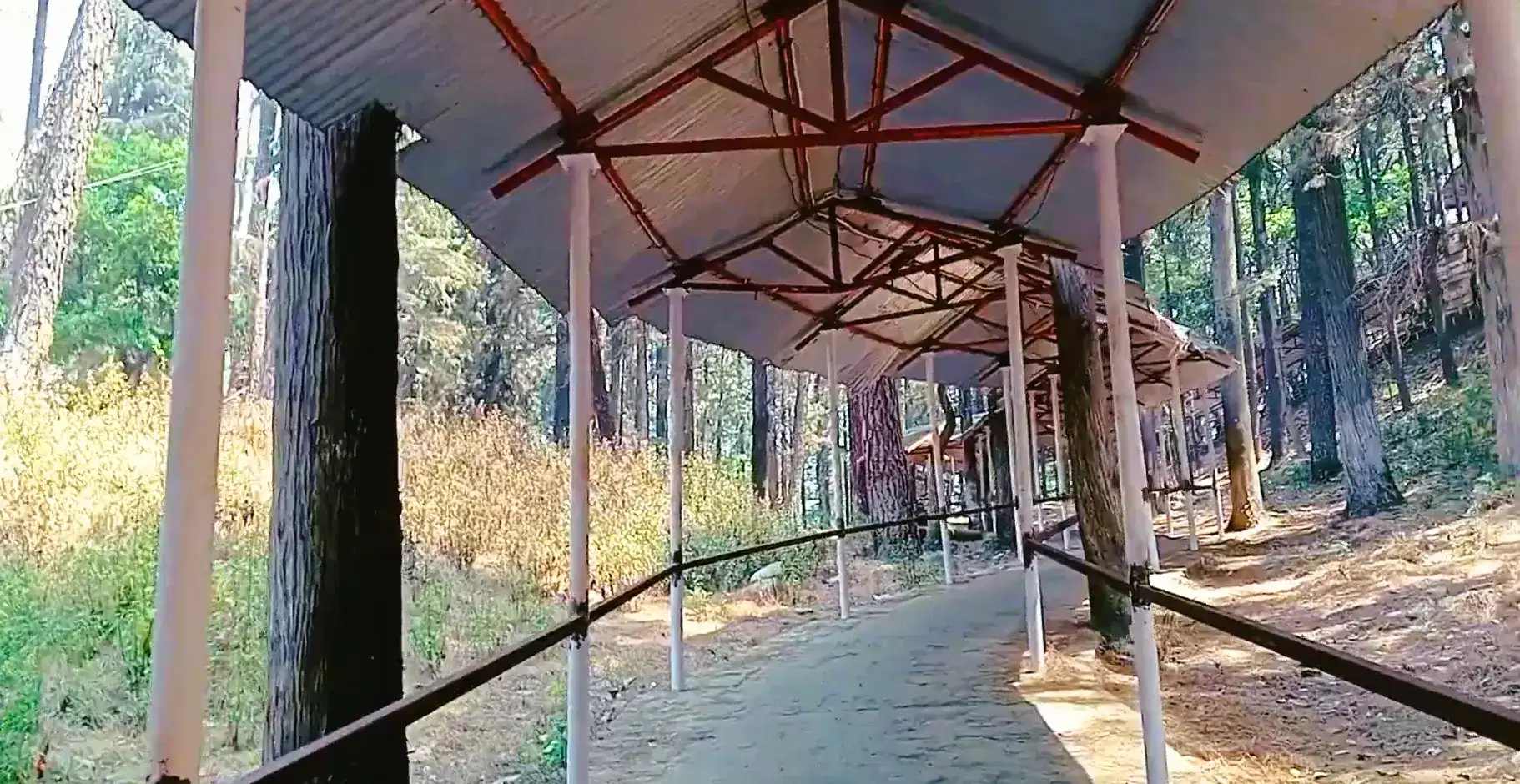
March to June and October to November are generally the easiest periods for sightseeing and clearer hill views. Monsoon makes the district green but can disrupt road journeys, while winter brings cold mornings and the possibility of snow at higher locations.
March-June
Pleasant for local sightseeing, forest walks, and the Pauri-Khirsu circuit.
July-September
Lush scenery, with extra caution needed for rain, reduced visibility, and hill-road delays.
October-November
Cooler weather and often clearer Himalayan views after the rains.
December-February
Cold days and nights; check road and weather conditions before visiting higher areas.
Explore tours lasting at least 3 days from our partner Viator. Some itineraries cover nearby destinations; check the route before booking.
Shri Sidhbali Dham is one of Kotdwar's best-known pilgrimage stops and the first major attraction on the road circuit from Delhi. The Hanuman temple stands in a wooded hill setting close to Kotdwar, making it a natural opening stop before continuing farther into Pauri Garhwal.
The approach can become crowded during important worship days and local events. Allow time for the climb and queues, keep the route clear for devotees, and follow temple instructions for offerings and photography.
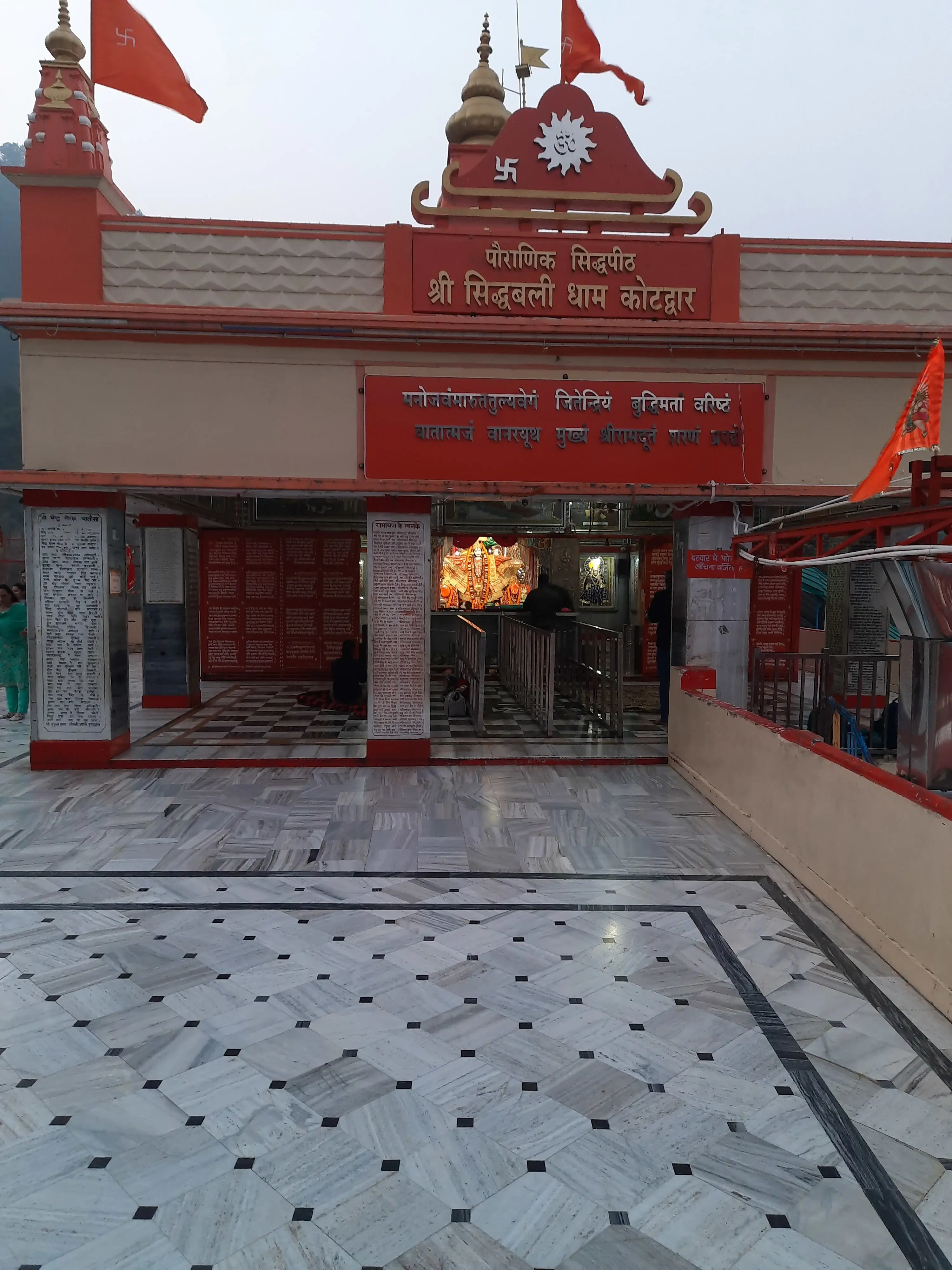
This is an active pilgrimage site. Confirm current opening, queue, and access arrangements locally before departure.
Durga Devi Temple is a popular shrine near Kotdwar and can be paired with Shri Sidhbali Dham on the first day from Delhi. Its hill-road and stream-side setting makes the surroundings part of the visit as well as the temple itself.
Road space can be limited, and rocks or wet surfaces may be slippery after rain. Visit in daylight, supervise children near the water and road, and avoid entering closed or unsafe areas around the natural setting.
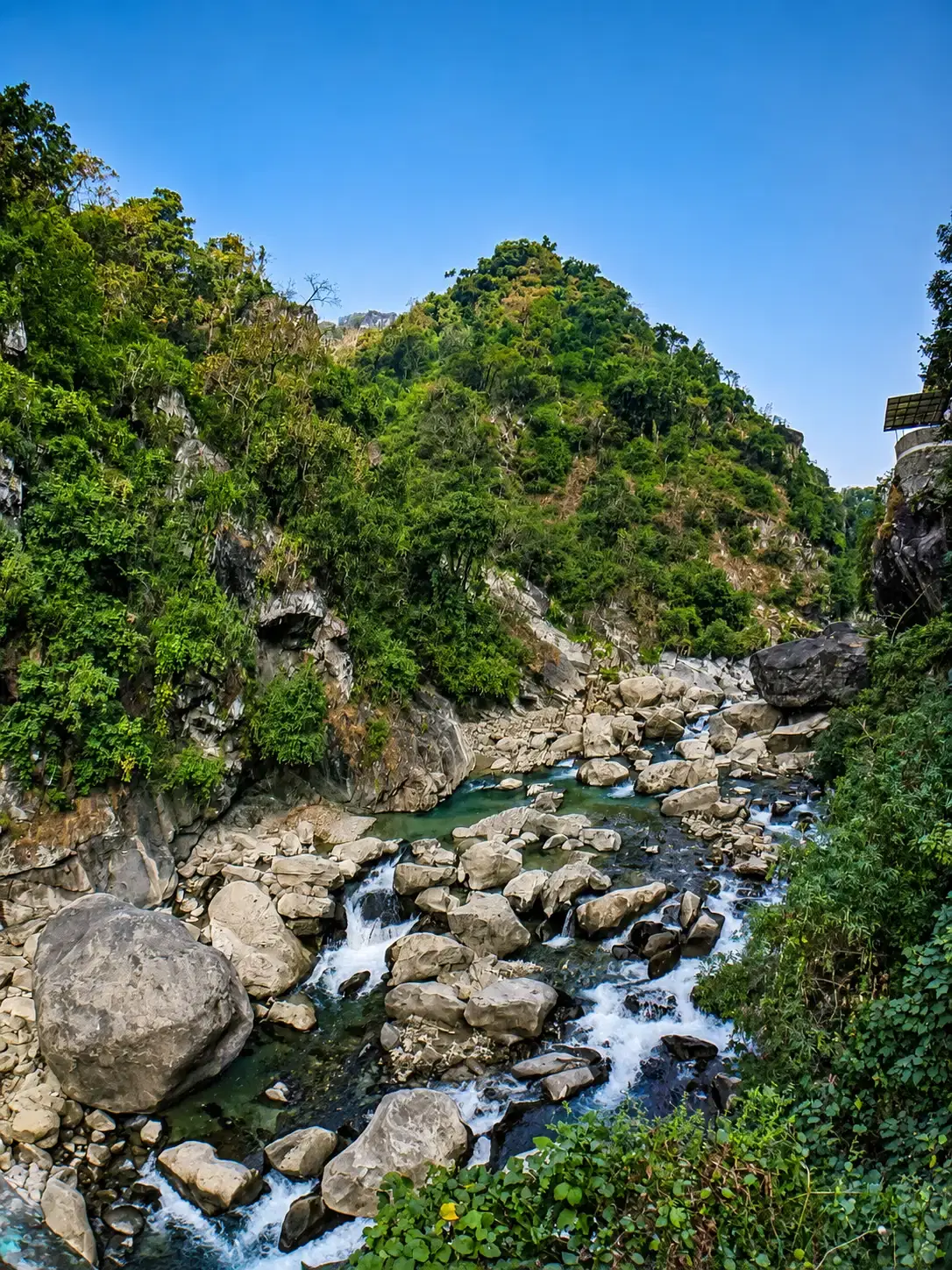
Temple access, parking, and water conditions vary by season. Follow barriers, temple guidance, and local safety instructions.
Kandoliya Temple is an active local shrine set on a forested ridge above Pauri. The surrounding oak and pine landscape, open grounds, and views across the hills make it one of the easiest first stops for understanding Pauri's setting.
Combine the temple with a gentle walk around the ridge rather than treating it as a quick photo stop. Visibility changes with the weather, and the forest can become misty or slippery during rain, so daylight and flexible timing are useful.
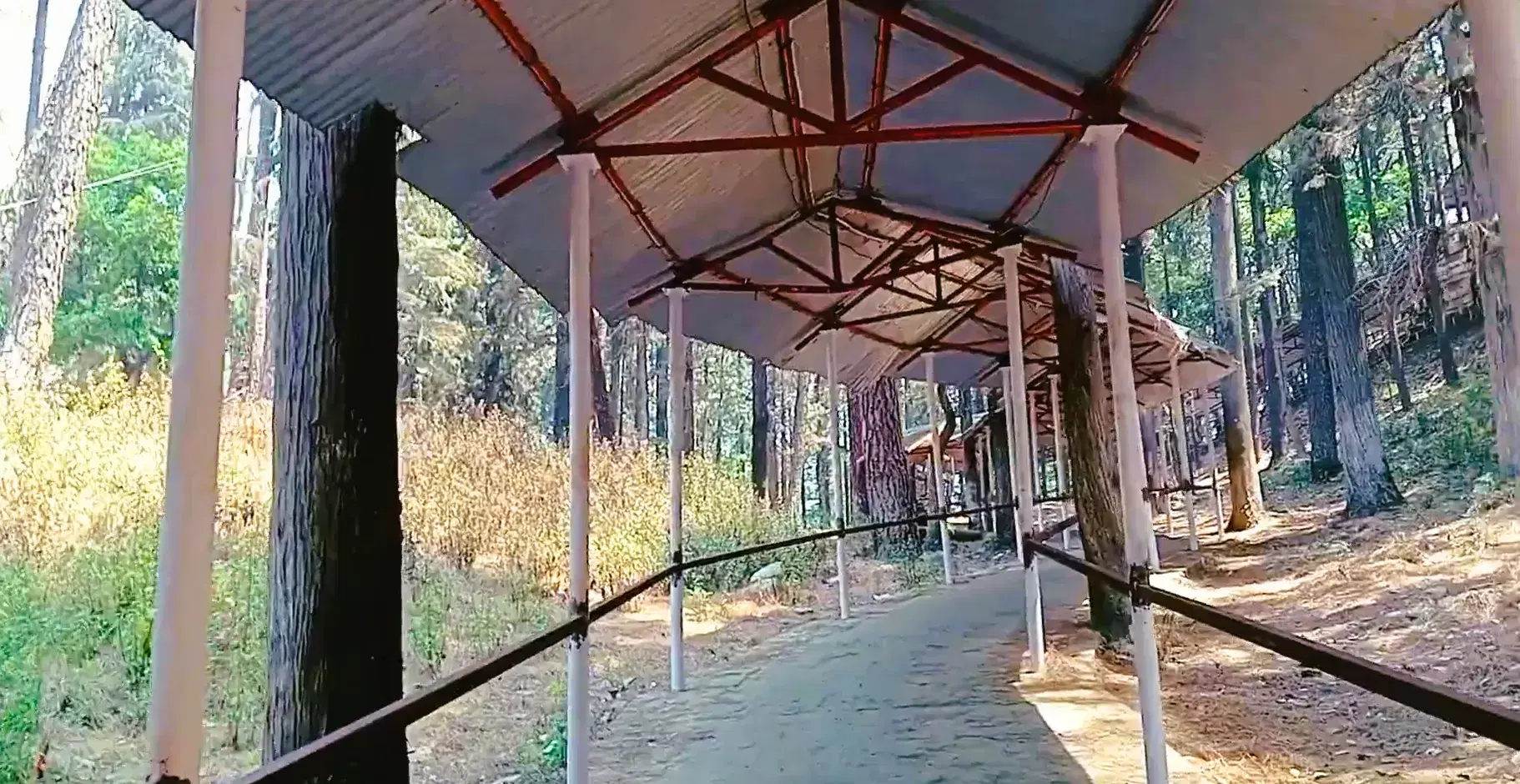
Temple access and local event arrangements can change. Follow posted instructions and ask before photographing worshippers.
Explore tours lasting at least 3 days from our partner Viator. Some itineraries cover nearby destinations; check the route before booking.
Kyunkaleshwar Mahadev Temple is a historic Shiva temple above Pauri, valued for its stone architecture, religious importance, and broad views. The district administration associates the temple with Adi Shankaracharya and the revival of Hindu worship in the region.
The approach includes slopes and steps, so allow more time than the short road distance suggests. Visit quietly, remove footwear where directed, and avoid presenting local religious traditions as a staged tourist experience.
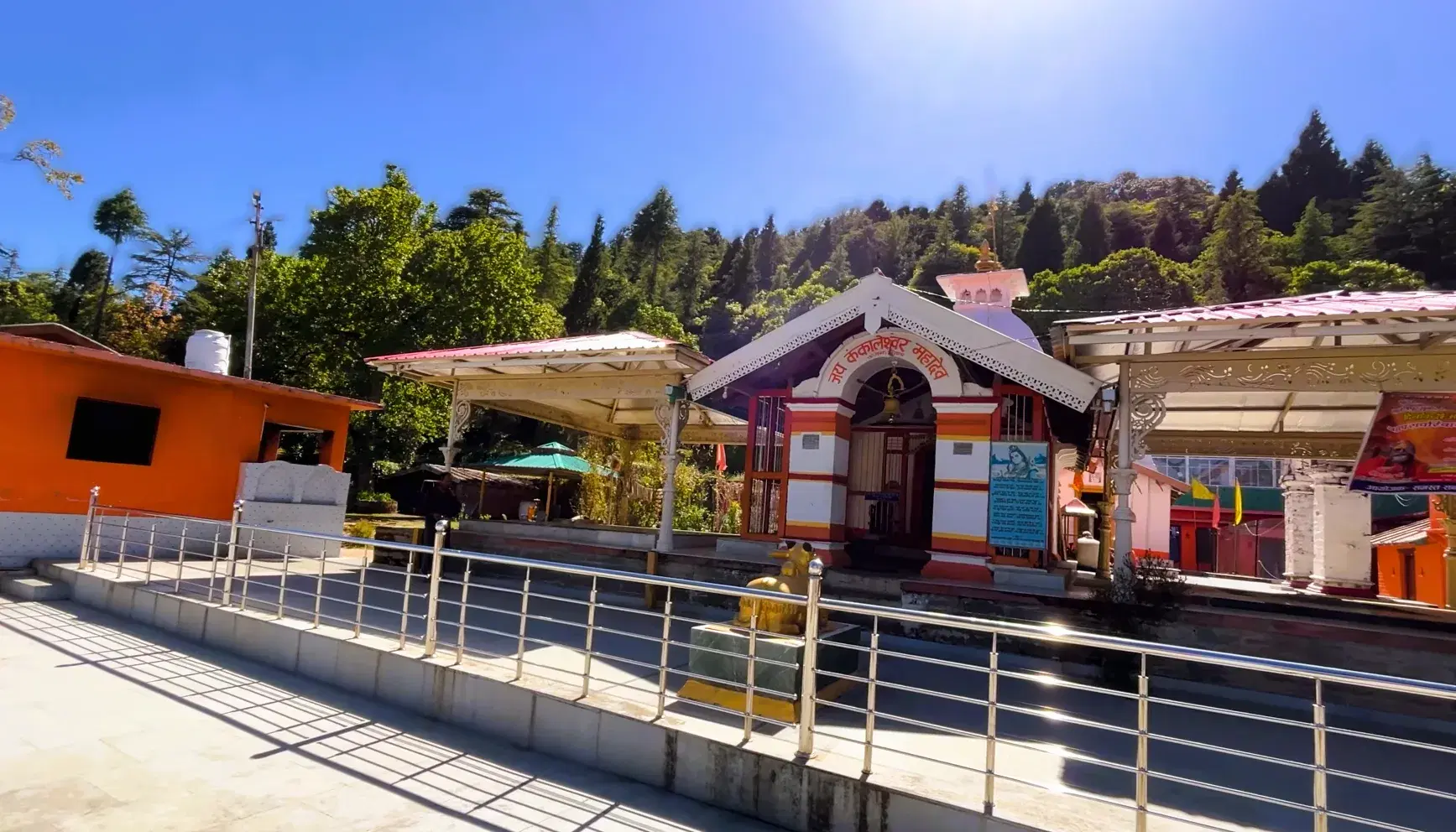
This is an active temple. Dress modestly, maintain silence around worship, and confirm local opening arrangements.
Chaukhamba viewpoint is a scenic stop around Pauri for looking across the Idwal valley and, in clear weather, toward the snow-covered Himalayan ranges. Uttarakhand Tourism includes it in its official Pauri and Khirsu itinerary alongside Kandoliya and Kyunkaleshwar.
The experience depends on cloud and haze, so keep the visit flexible instead of planning around a guaranteed mountain panorama. Sunrise and late-afternoon light can be rewarding, but use safe roadside or designated viewing areas only.
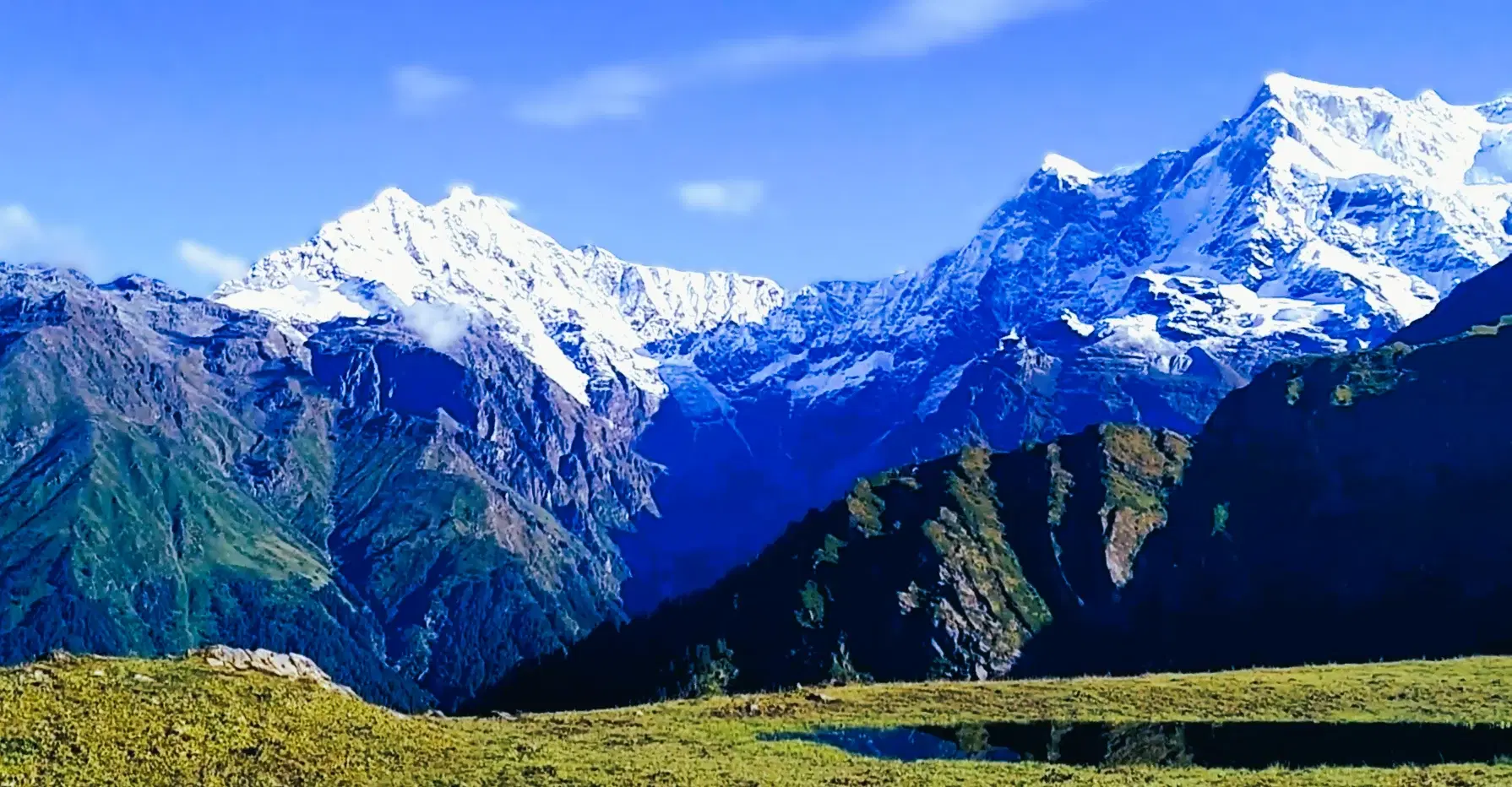
Mountain visibility is weather-dependent. Do not rely on a fixed view or sunset return time without checking local road conditions.
Khirsu is a quiet hill settlement about 19 km from Pauri according to the district administration. It sits around 1,700 m amid oak, deodar, and pine forest, orchards, terrace farms, and broad Himalayan views on clear days.
The village suits slow walks, nature observation, and an overnight pause more than a packed attraction checklist. Uttarakhand Tourism highlights Ghandiyal Devta Temple, nearby Devalgarh, and forest walks as part of the Khirsu experience.
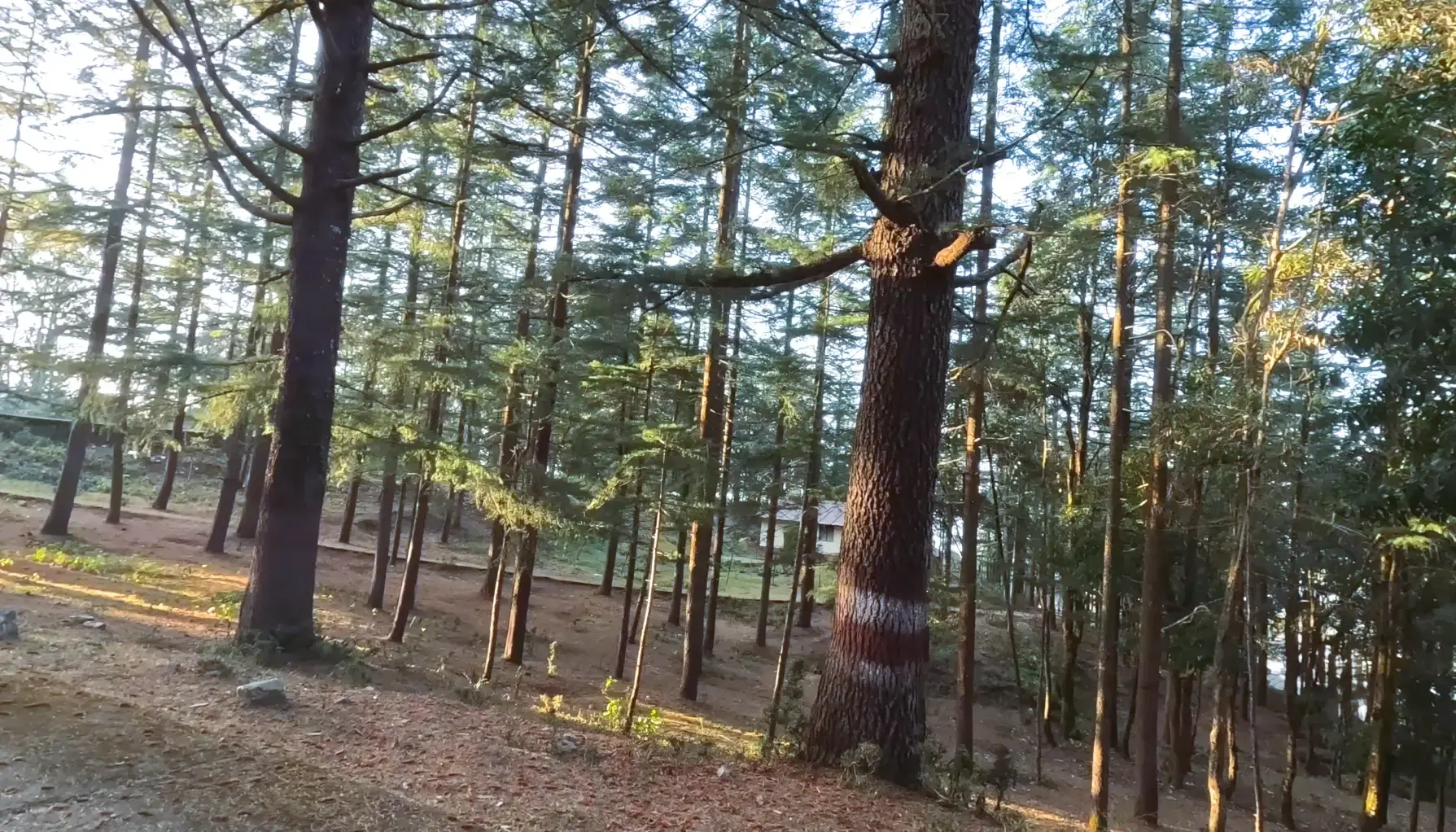
Services are quieter and more limited than in a large hill station. Carry essentials and confirm accommodation directly before an overnight stay.
Explore tours lasting at least 3 days from our partner Viator. Some itineraries cover nearby destinations; check the route before booking.
Nag Dev Temple is a revered local shrine reached through a pine and rhododendron forest on the Pauri-Bubakhal side. The wooded approach is a major part of the visit and makes the temple a natural addition to a quiet Pauri sightseeing day.
Conditions on the path vary with rain, fallen leaves, and maintenance. Walk in daylight, avoid shortcuts through the forest, and keep the route clean and quiet for worshippers and wildlife.
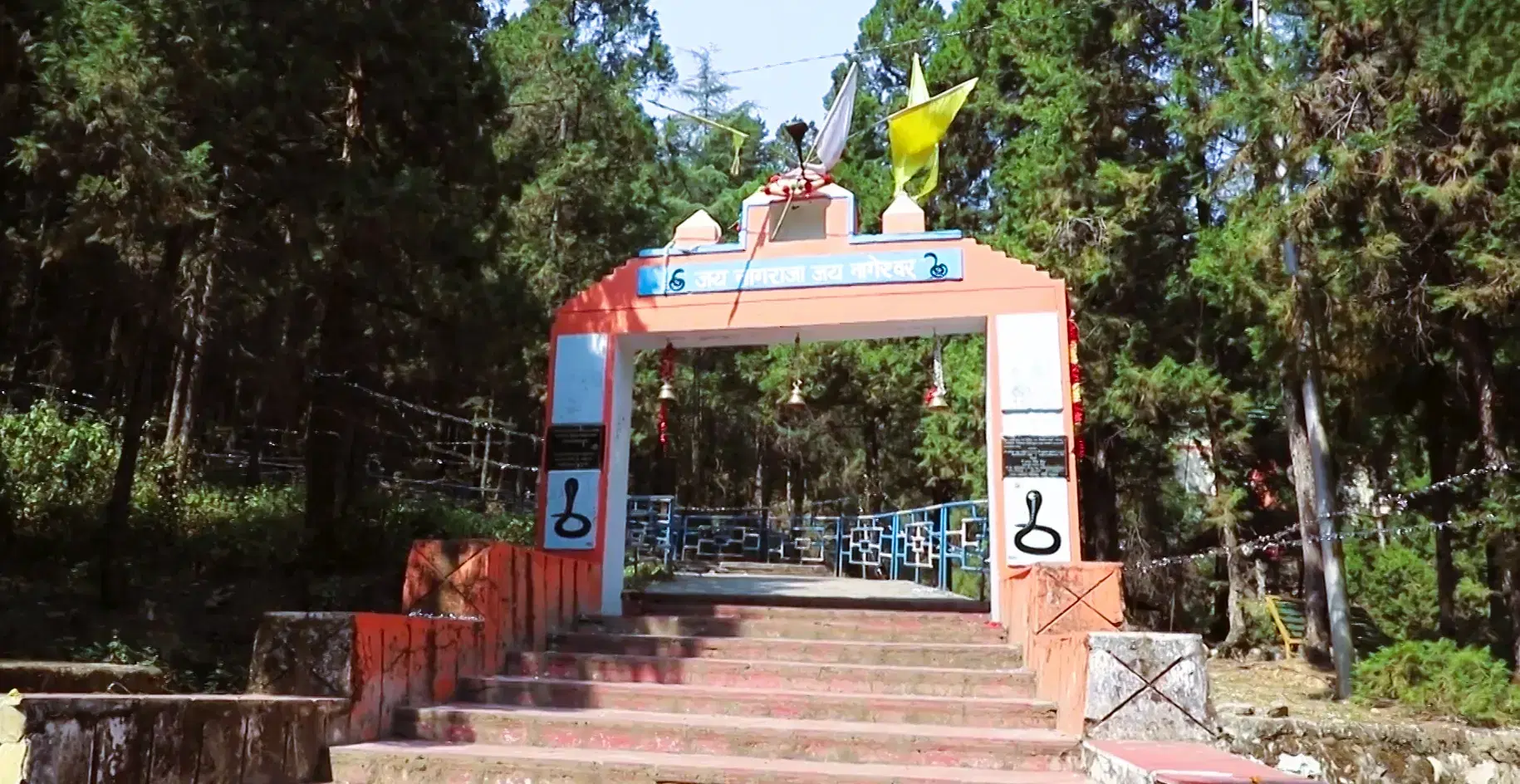
Confirm the current path and temple access locally. Do not leave food or plastic waste in the forest.
Jwalpa Devi Temple is a prominent Durga shrine on the Pauri-Kotdwar road. The district administration places it about 33 km from Pauri, making it a practical road stop when approaching from or returning toward Kotdwar.
Navratri and other important worship periods can bring large crowds. Travelers seeking a quieter visit should choose an ordinary morning, follow queue arrangements, and avoid blocking the road or temple entrance while stopping.
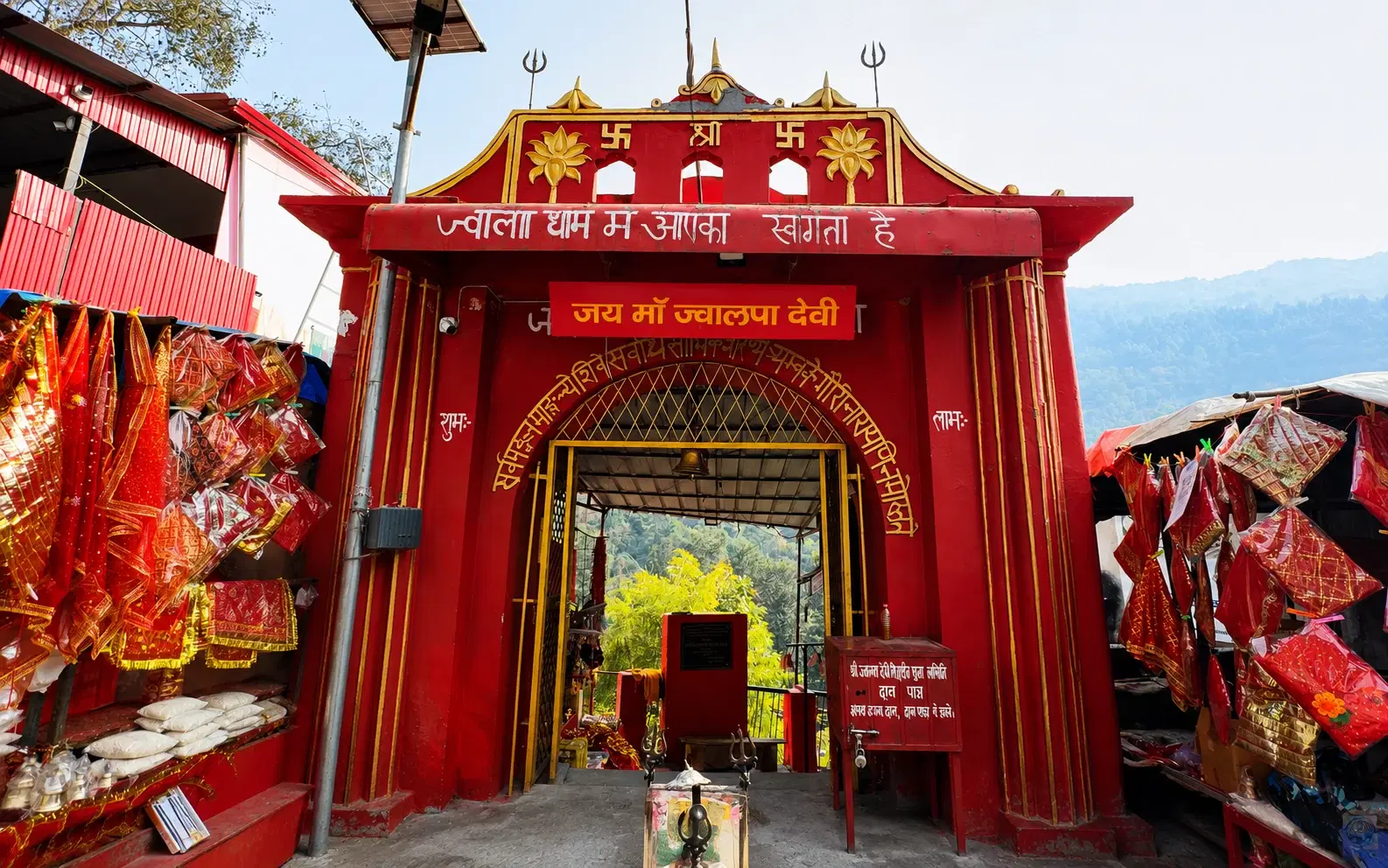
Festival access and queues can change. Confirm current arrangements locally and supervise children near the road and river edges.
Devalgarh is an old settlement near Khirsu with a cluster of temples and historic associations. Uttarakhand Tourism notes that King Deval established the town and highlights the Laxmi Narayan, Gauri Devi, and Raj Rajeshwari temples.
The site is best approached as a heritage and worship visit rather than a highly developed attraction. Allow time to notice the temple setting and inscriptions while respecting restricted or fragile areas.
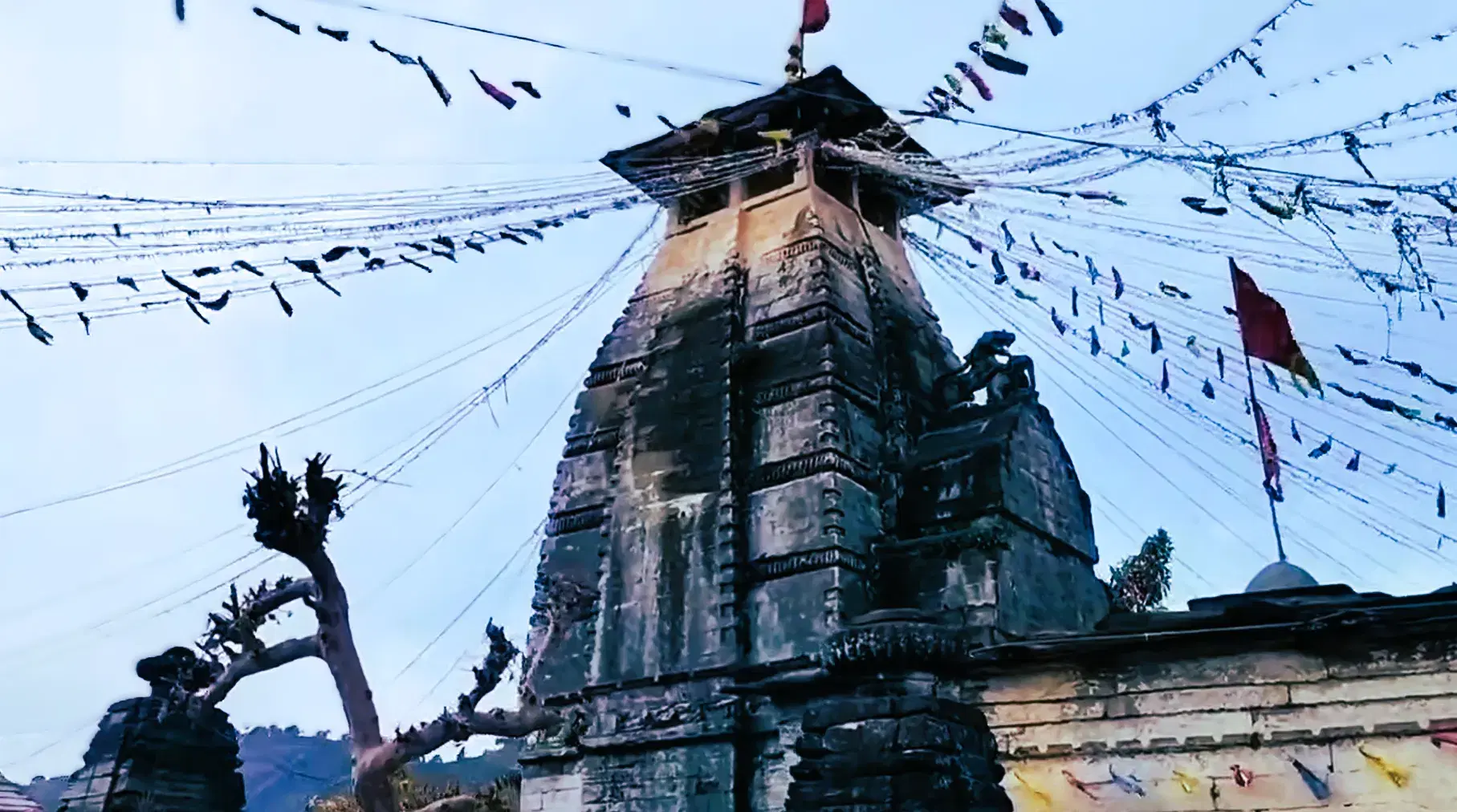
Opening and worship arrangements vary across the temples. Treat the complex as a living religious site.
Explore tours lasting at least 3 days from our partner Viator. Some itineraries cover nearby destinations; check the route before booking.
Tara Kund is a high-altitude lake and temple site in the Chariserh area. The district administration places it at about 2,200 m and notes the local Teej celebration, when residents gather for worship.
This is a remote outing rather than a casual town stop. Route conditions, the final approach, weather, and local transport should all be confirmed before departure, and travelers should turn back if visibility or trail conditions deteriorate.
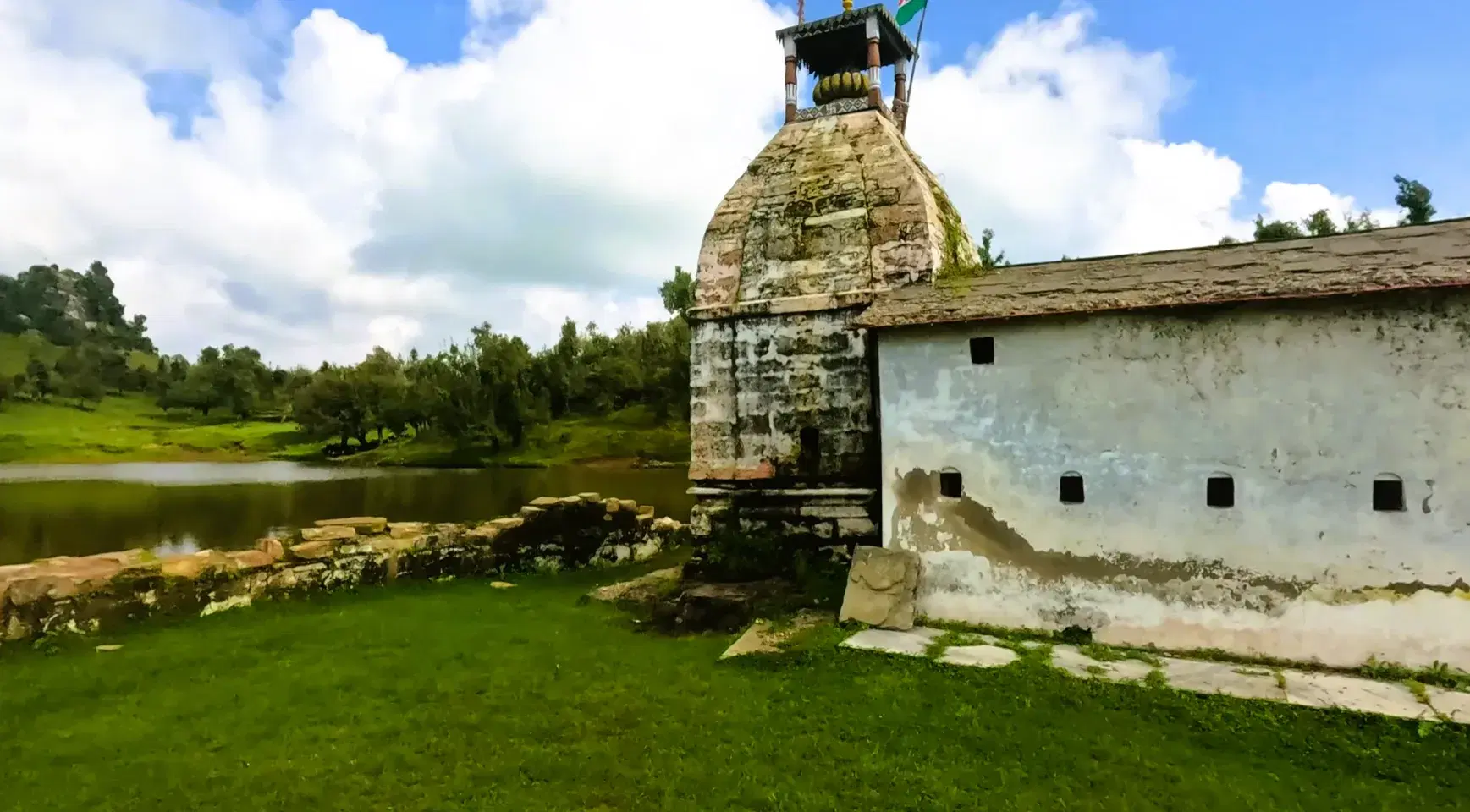
Do not attempt the trip from generic map directions alone. Mobile coverage and services may be limited on remote sections.
Santoshi Mata Temple is a peaceful devotional stop within the wider Lansdowne circuit. The small hill temple offers a quieter contrast to the cantonment's lake, viewpoints, churches, and military heritage sites.
Treat it as an active place of worship rather than only a sightseeing point. Local access and opening arrangements can vary, so confirm directions in town and visit during daylight.
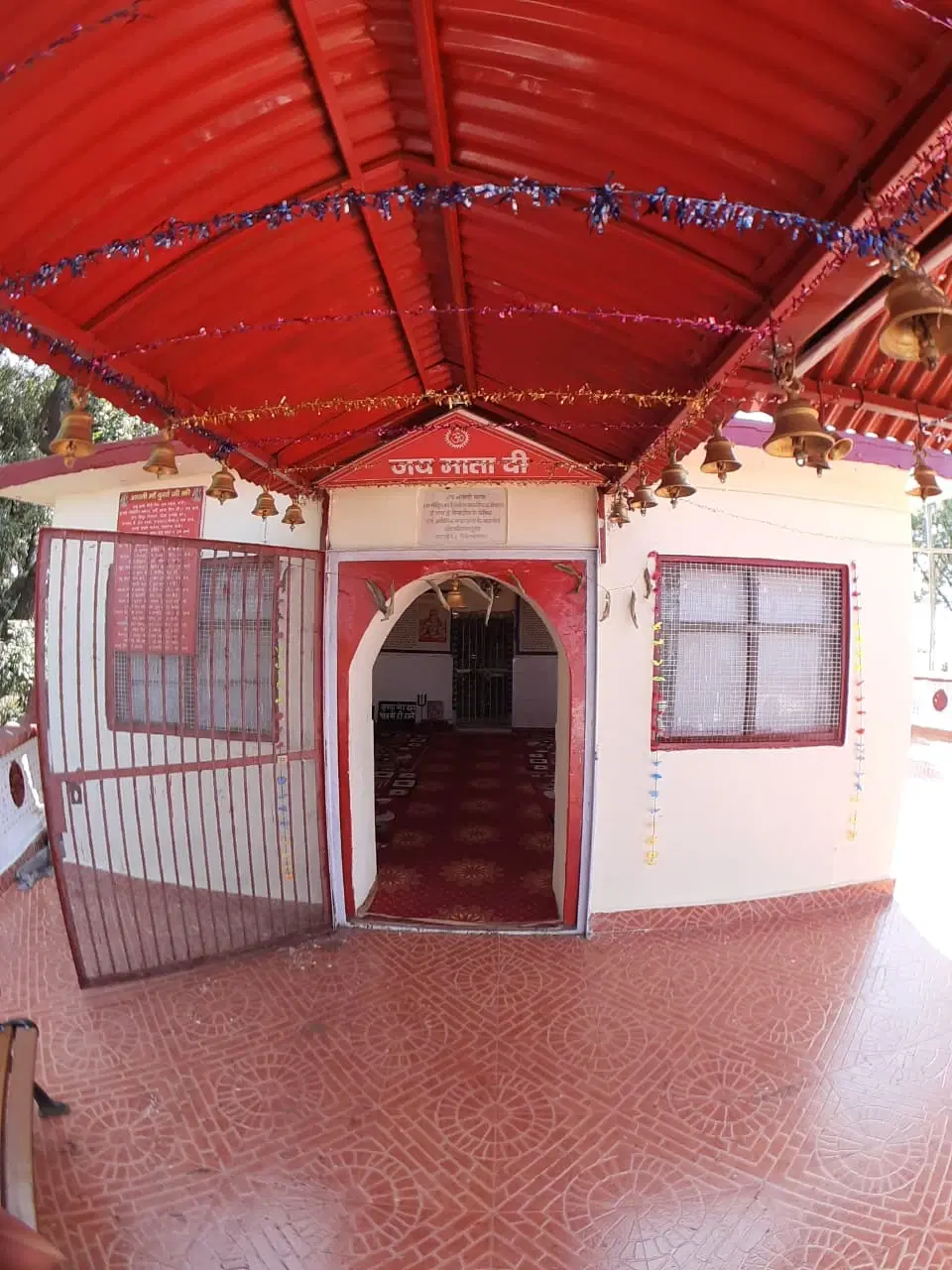
Confirm current access and opening arrangements locally and avoid interrupting worship or ceremonies.
Bhulla Tal is a landscaped lake, and one of Lansdowne's most popular family stops. Uttarakhand Tourism highlights its gardens, boating, children's park, bamboo tree house, and fountains, making it well suited to an easy afternoon or early-evening visit.
Boating and individual facilities can pause because of weather, maintenance, or local operating decisions. Keep children supervised near the water and check the day's ticketing and closing arrangements at the entrance.
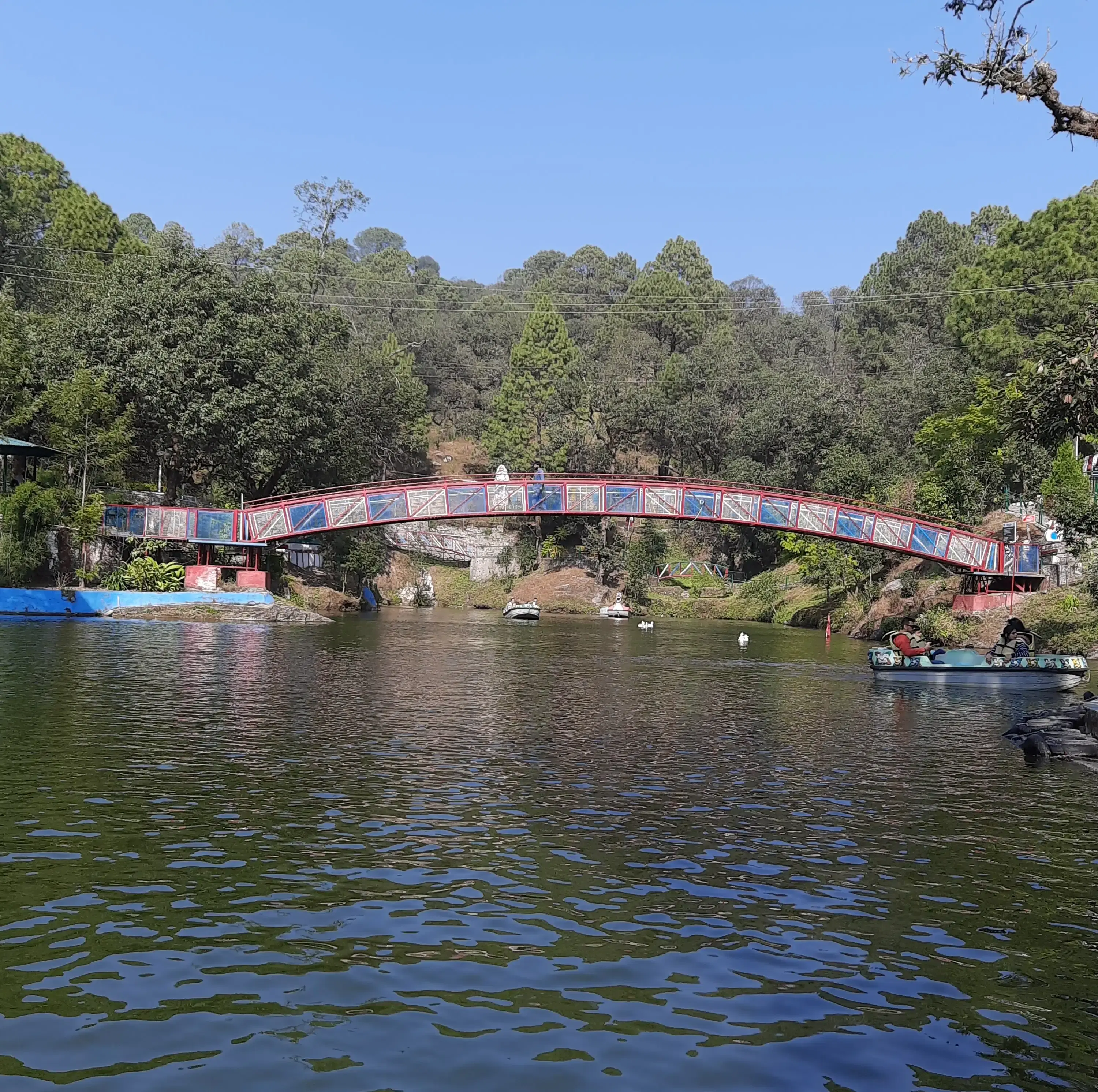
Entry charges, boating fees, and operating hours can change; verify them at the official counter.
Explore tours lasting at least 3 days from our partner Viator. Some itineraries cover nearby destinations; check the route before booking.
Lansdowne's two best-known churches are important parts of its colonial-era streetscape. St. Mary's Church, built in the 1890s and later restored by the Garhwal Rifles Regimental Center, stands near the Tip-in-Top route, while St. John's Catholic Church occupies a quiet forested setting on Mall Road.
Opening and service arrangements do not always match general sightseeing hours. Enjoy the exterior architecture when a building is closed, keep services undisturbed, and avoid treating either church as a photography set.
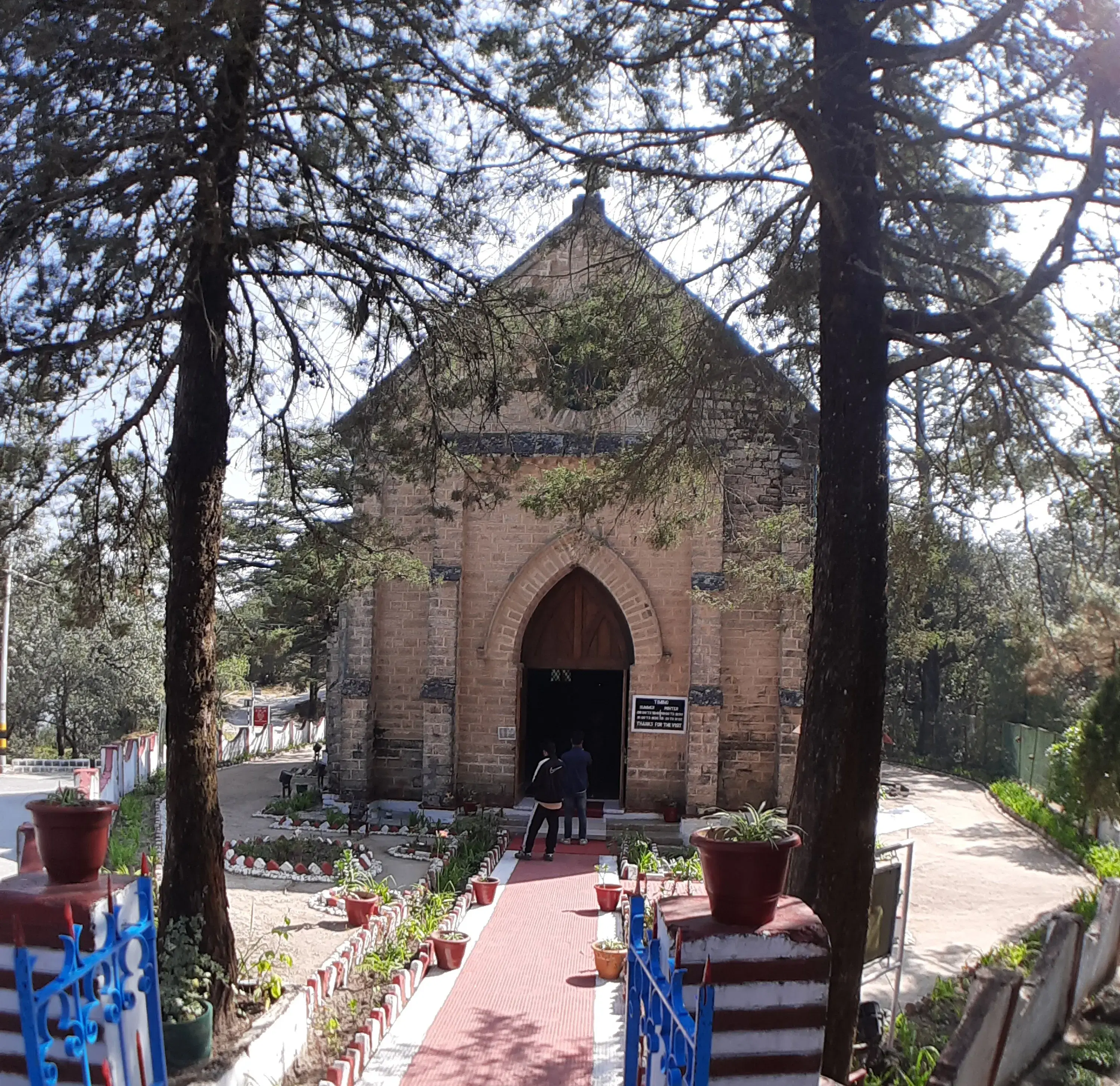
These are heritage and worship sites. Dress respectfully, maintain silence, and follow posted photography rules.
Tip-in-Top is a ridge viewpoint close to St. Mary's Church and one of Lansdowne's signature scenic stops. In clear weather it opens toward the surrounding valleys and Himalayan ranges, while the short approach also fits naturally into a church and forest-walk circuit.
The mountain view is never guaranteed because haze, cloud, and rain can close the panorama quickly. Stay within safe viewing areas, especially around sunrise, sunset, fog, or wet ground.
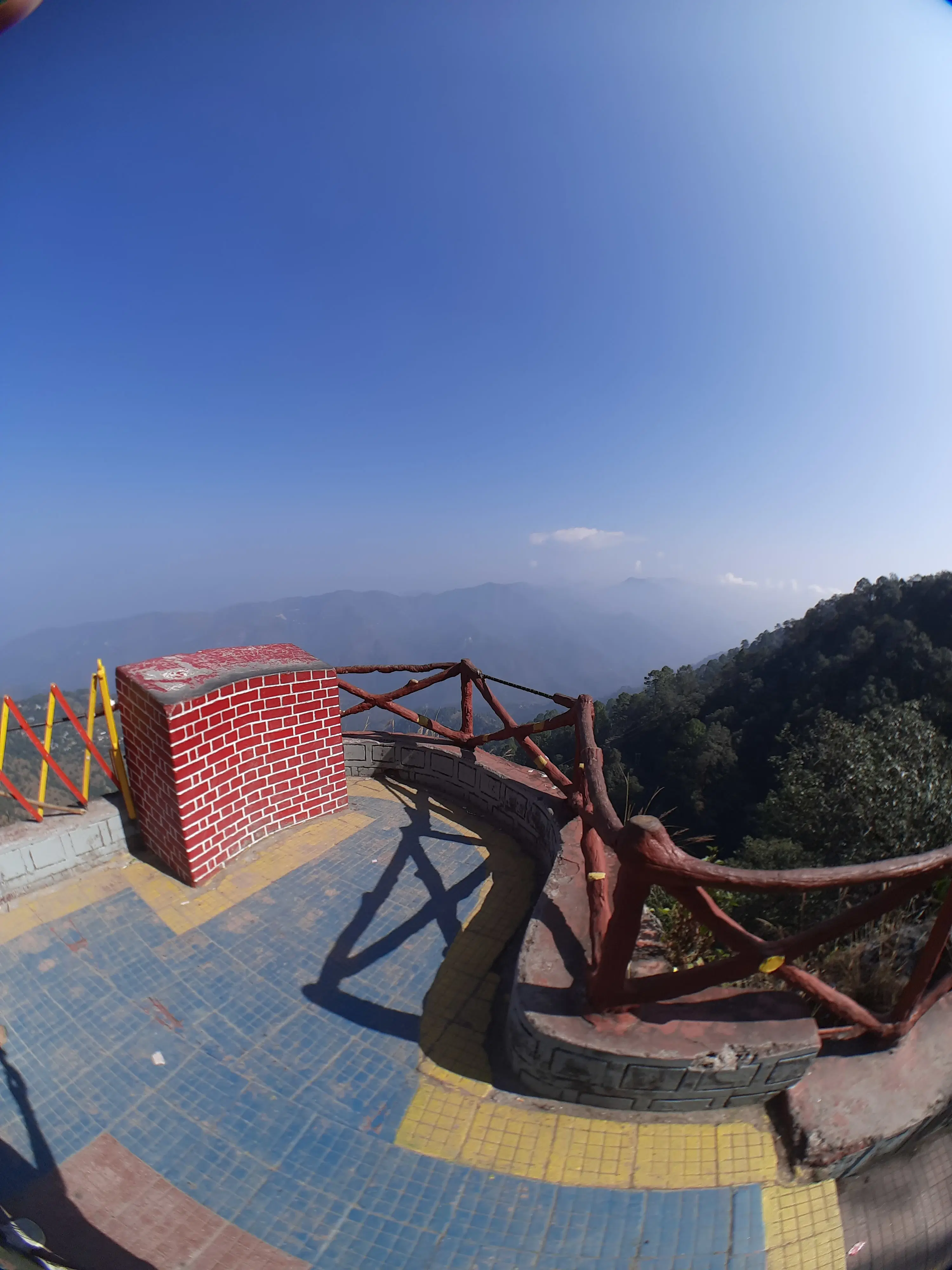
Use designated paths and viewpoints; do not cross barriers or stand on exposed road edges for photographs.
The Darwan Singh Museum, also called the Garhwali Museum, presents the history of the Garhwal Rifles through uniforms, photographs, arms, medals, and other regimental material. The nearby Garhwal Rifles Regimental War Memorial makes this the central heritage stop for understanding Lansdowne's military identity.
Both places are within an active cantonment environment, so identity checks, closures, photography limits, and access instructions can apply. Keep the visit respectful and follow military signage even when older travel information says otherwise.
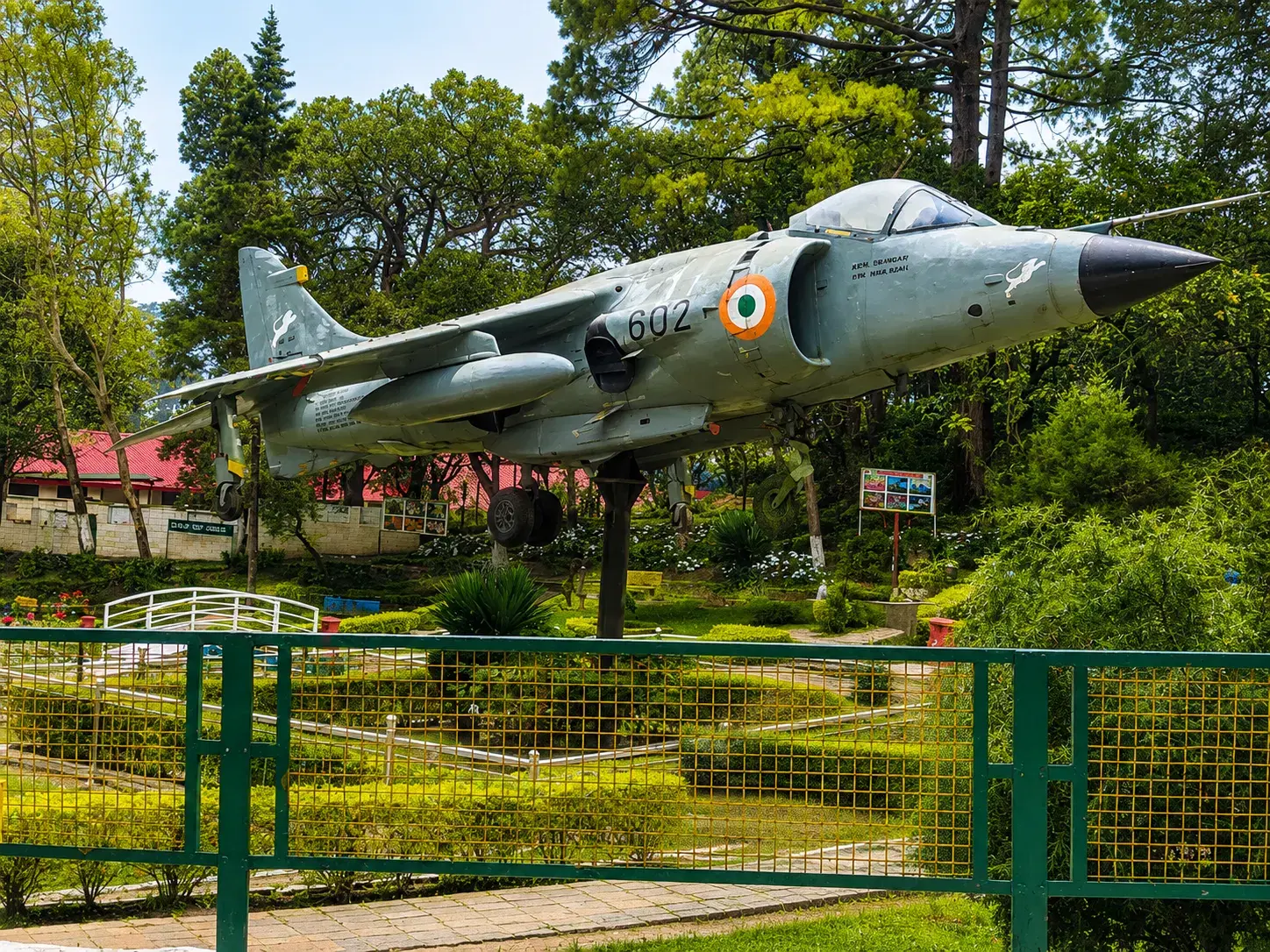
Published hours can change, and the memorial or museum may close on military holidays or for official activity; on-site rules take precedence.
Explore tours lasting at least 3 days from our partner Viator. Some itineraries cover nearby destinations; check the route before booking.
Forested walk near Lansdowne
A naturally balanced rock formation associated with local Mahabharata tradition. Confirm the current walking route and visit in dry daylight.
About 36 km from Lansdowne
A Shiva temple surrounded by deodar forest. It fits a Lansdowne-side circuit better than a rushed Pauri town day.
About 14 km from Kotdwar
A historical and religious site beside the Malini River, best added when entering or leaving through Kotdwar.
Remote Thalisain-side outings
Forest, temple, and trekking country that requires separate route planning, reliable local guidance, and current access checks.
Alaknanda valley extension
Combine the river valley and temple visit with Devalgarh or an onward Garhwal journey rather than a short Pauri town circuit.
Finger-millet flatbread commonly associated with Garhwali meals; availability varies by restaurant and season.
A robust regional preparation made from roasted pulses. Ask about the day's local dishes rather than expecting a fixed tourist menu.
Leafy regional dishes that reflect local produce; preparation differs between homes and eateries.
Barnyard millet and other hill grains may appear in simple meals, sweets, or festival preparations.
Day 1
Day 2
Day 3
Day 4
Day 5
BEFORE YOU GO
Find helpful answers and plan your next journey with confidence.
Pauri Garhwal is most rewarding when its temples, forests, viewpoints, and villages are explored slowly. Pauri town and Khirsu create a practical core itinerary without requiring travelers to race across the district.
Use this plan as a flexible base, then choose only one wider extension according to the weather, road conditions, walking comfort, and current local access.
Check these official resources for destination information and current notices. Confirm opening times, entry charges and access requirements before travelling.
Found something outdated? Send Traviya a correction.