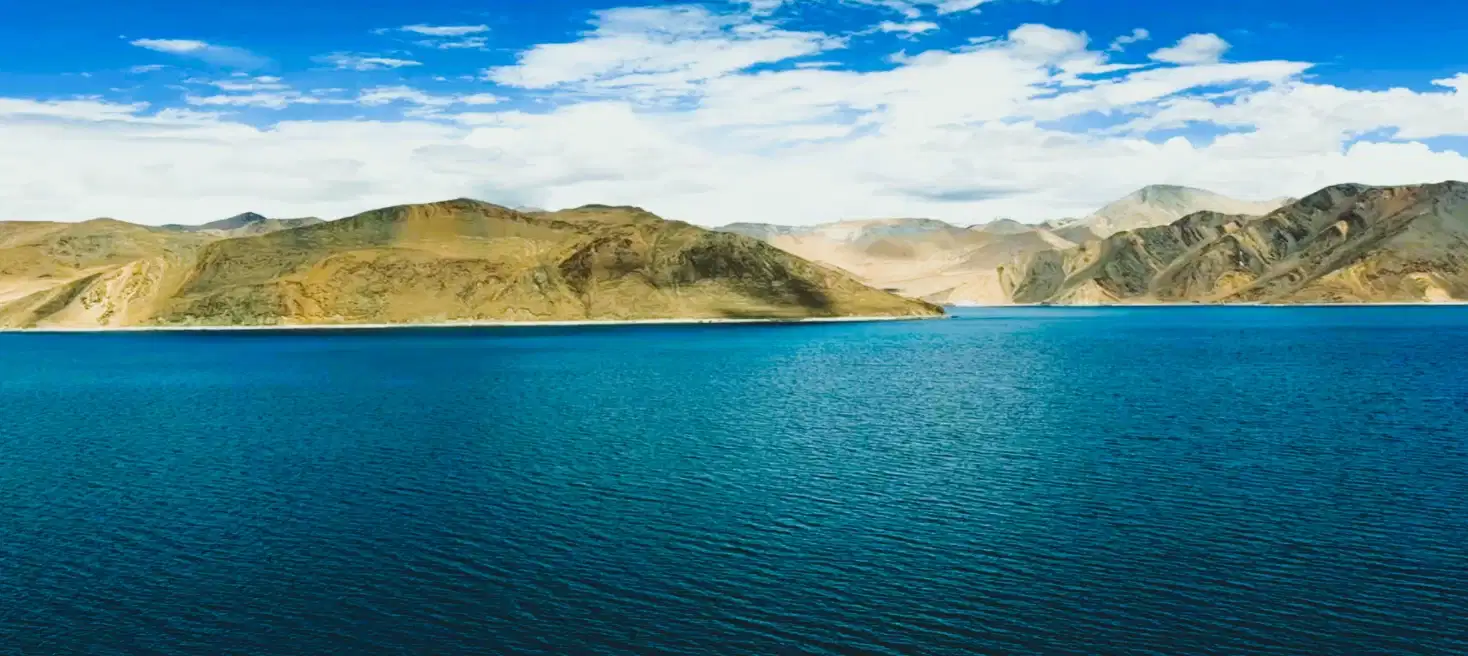
Best Places at Pangong Lake | Ladakh's Famous High-Altitude Lake

Pangong Tso (Pangong Lake) is one of the most iconic landscapes in India, situated at an altitude of 4,350 metres on the border between India and China. Stretching 134 km in length (60% of which lies in Chinese-controlled Tibet), the lake is famous for its changing colours — shifting from deep blue to turquoise to green depending on the light and season. It became globally famous after appearing in the film 3 Idiots. Pangong is commonly combined with Leh and Nubra Valley to explore the complete Ladakh circuit.

Pangong Tso lake with blue water and Ladakh mountains
1 / 3

Need a cab or hotel in Pangong?

Top Tourist Places

1.Pangong Tso (The Lake)

Pangong Tso is the main attraction — a 134-km long high-altitude saltwater lake at 4,350 metres. The lake's water changes colours through the day from steel blue to turquoise to deep green. No boating is permitted. Camping on the lakeshore is available from May to October through registered operators.

Main Attractions

  • Camp on the lakeshore — watching sunrise over the lake is transformative.
  • Photography at the 3 Idiots rock (made famous by the film).
  • Watch for migratory birds including bar-headed geese.
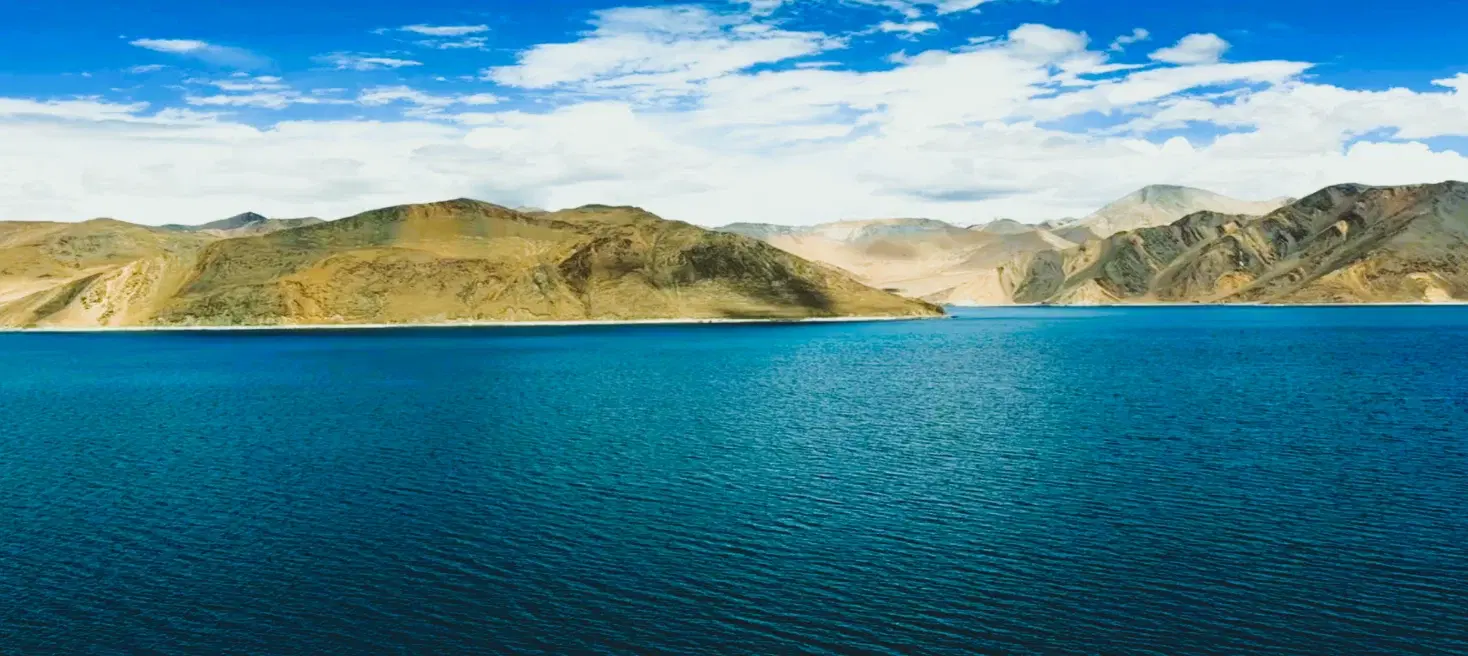
Pangong Tso's shifting turquoise-blue waters reflecting snowy mountains in Ladakh — one of India's most iconic landscapes

Nearest Attractions

  • Spangmik Village – ~1 km from main viewpoint
  • Man and Merak villages – ~10–15 km east along the shore

Visitor Information

Warm layered clothing essential; temperatures drop to -10 degrees C even in summer nights

2.Spangmik Village

Spangmik is the main village at the Pangong lakeshore and the base for most tourists. It has several tent camps, basic guesthouses, and a few small restaurants. The Changpa nomad community here has traditionally herded yaks and goats on these high-altitude plains for centuries.

Main Attractions

  • Interact with Changpa nomads and learn about their culture.
  • Stay overnight in a lakeshore tent camp.
  • Walk along the shoreline at sunrise.
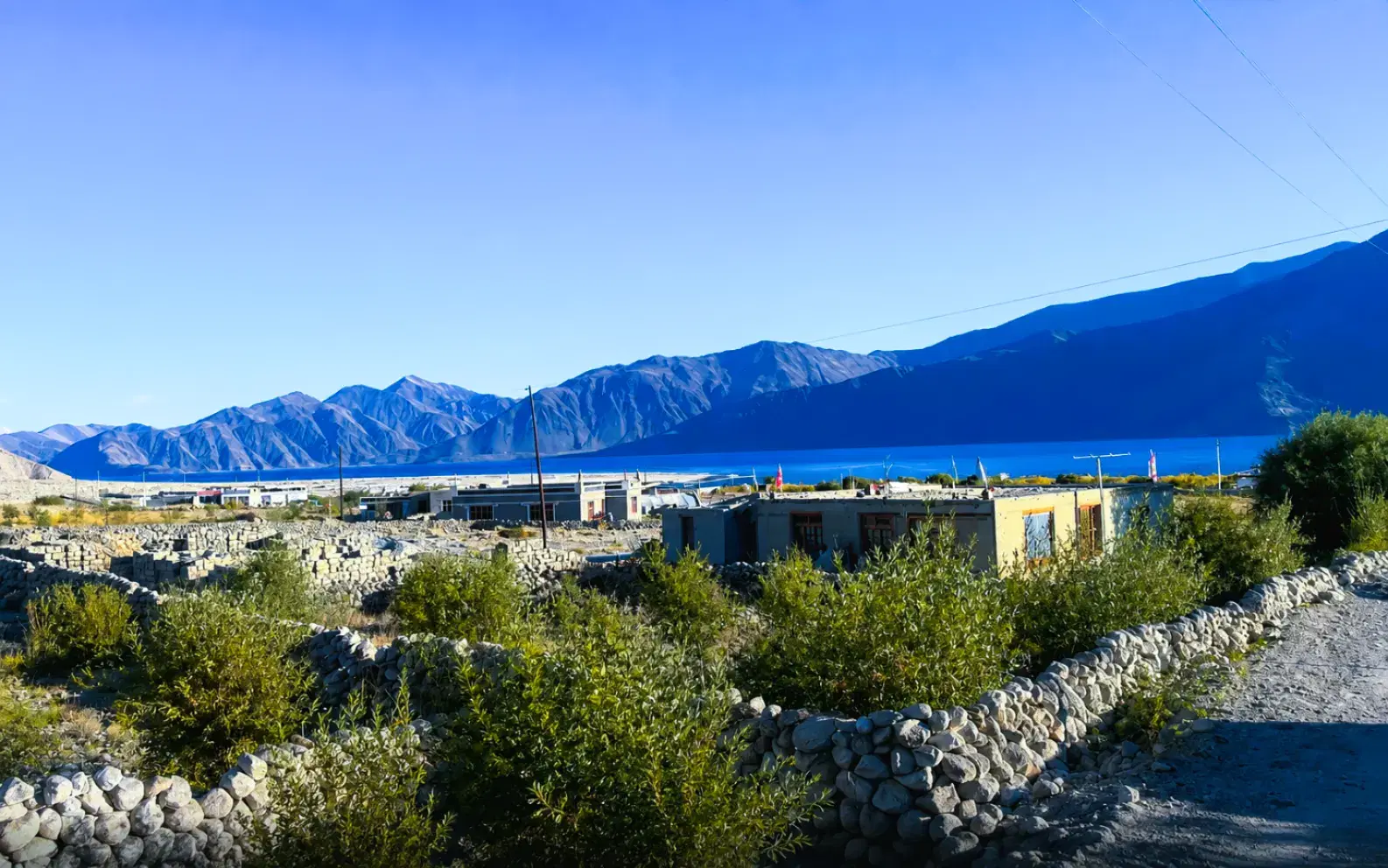
Tented camps at Spangmik village on the shore of Pangong Lake with Changpa nomad families and mountain backdrop

Nearest Attractions

  • Pangong Lake viewpoint – ~1 km
  • Man village – ~5 km east

Visitor Information

Extremely warm clothing for cold nights; casual during the day

3.Chang La Pass

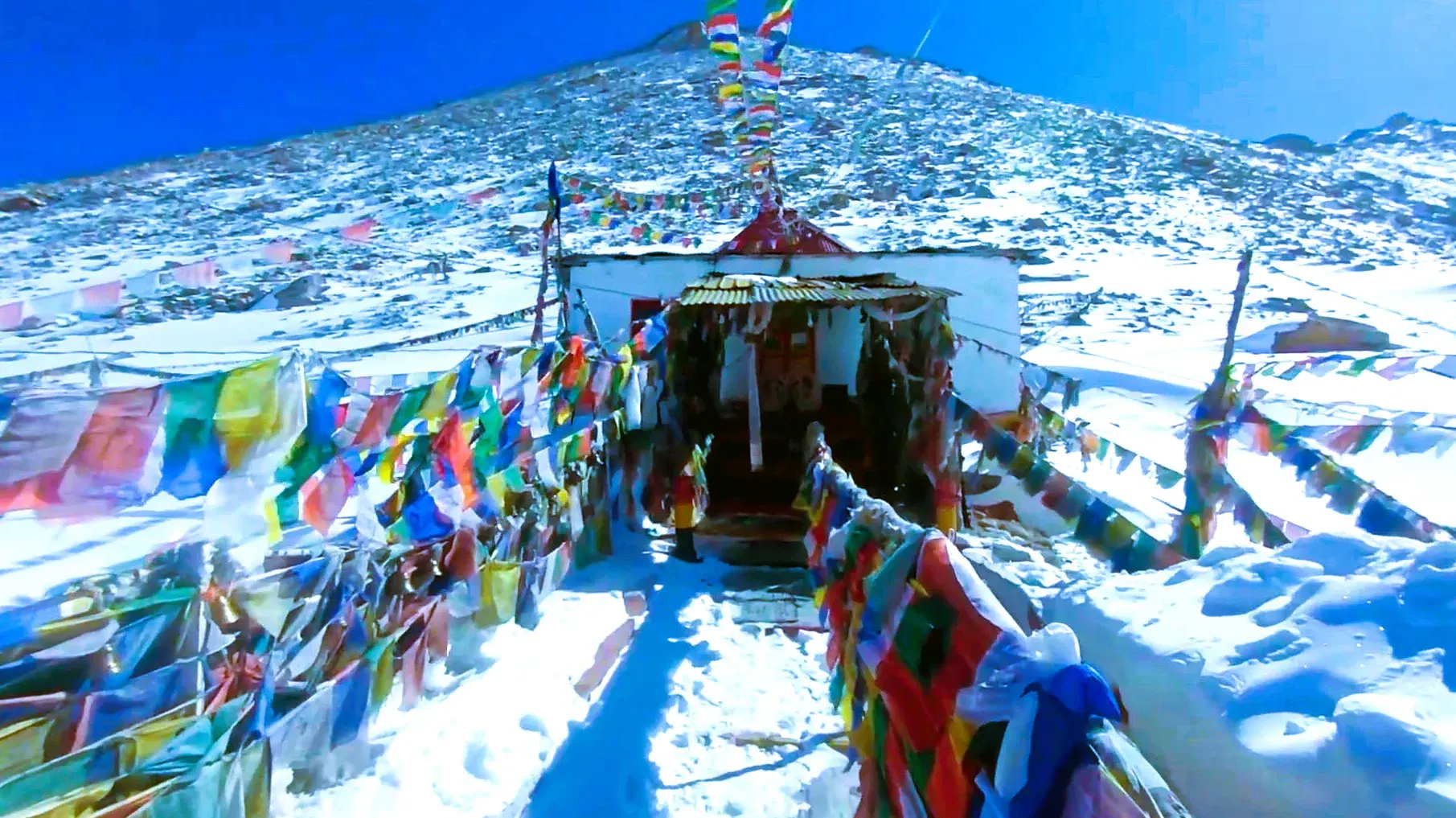
Chang La Pass at 5,360 metres is the third highest motorable pass in the world and the main gateway to Pangong Lake from Leh. The pass is marked by a Buddhist stupa and a small temple dedicated to Chang La Baba — believed to be the protector of travelers crossing the pass.

Main Attractions

  • Photography at the world's third highest motorable pass.
  • Seek blessings at the Chang La Baba temple.
  • Experience the otherworldly landscape at 5,360 m altitude.
Chang La Pass at 5,360 m with Buddhist stupa, prayer flags, and Chang La Baba temple — gateway to Pangong Lake from Leh

Nearest Attractions

  • Durbuk village – ~40 km beyond (towards Pangong)
  • Leh – ~40 km back

Visitor Information

Extremely warm layered clothing; gloves and windproof jacket mandatory at 5,360 m

4.Lukung and Merak Villages

Lukung is a small village on the northwestern shore of Pangong and offers a less-crowded viewpoint compared to the main Spangmik area. Merak further east is inhabited by the semi-nomadic Changpa community and offers authentic cultural encounters. Both villages provide excellent photography conditions.

Main Attractions

  • Visit Lukung for quieter lakeshore photography.
  • Drive along the northern shore to Merak for Changpa culture.
  • Explore the dramatic barren mountain landscape along the road.
Quiet Lukung lakeshore and Changpa nomad community in Merak village on the eastern shore of Pangong Tso, Ladakh

Nearest Attractions

  • Spangmik – ~15 km west
  • Tangtse village – ~30 km towards Leh

Visitor Information

Warm layered clothing; the drive along the barren shore can be very cold and windy

5.Tangtse Village

Tangtse is a green oasis village ~70 km from Leh and ~30 km before Pangong, with a 600-year-old monastery and a small bazaar. It is the last major stop before the lake and a good place to eat, buy supplies, and stretch before the final stretch to Pangong.

Main Attractions

  • Visit the 600-year-old Tangtse Monastery.
  • Stock up on snacks and water for the onward journey.
  • Photography of the lush valley — a rare green patch on the barren plateau.
Green oasis of Tangtse village with its 600-year-old monastery — the last major stop before Pangong Lake from Leh

Nearest Attractions

  • Pangong Lake – ~30 km ahead
  • Chang La – ~30 km towards Leh

Visitor Information

Comfortable casual clothing; stock up on snacks and water here

How to Reach Pangong

From Leh, take the Leh–Pangong highway via Chang La Pass. The road is motorable May to October. Private taxis and shared jeeps available from Leh. Find camps and hotels near Pangong for lakeshore stays.
No railway access. Leh is the nearest access hub; fly or drive from Delhi/Manali/Srinagar to Leh.
Fly to Leh (Kushok Bakula Airport), then drive ~140–160 km to Pangong via Chang La Pass (4–5 hours). Indian travelers need an online EDF receipt (foreigners a PAP).

FAQs

Indian citizens need an online Environment Development Fee (EDF) receipt (no physical ILP) to visit Pangong Lake — get it at lahdclehinnerlinepermit.hp.gov.in. Foreign nationals require a Protected Area Permit (PAP). It's usually valid for 1 day; extend it if staying overnight.
Yes. Registered lakeshore camps operate from May to October. The lake freezes in winter (November–April). Book camps in advance during peak season (July–August). Temperatures drop to -10°C or lower at night even in summer.
Pangong Lake is approximately 140–160 km from Leh via Chang La Pass (~4–5 hours by road). The road is fully paved and manageable in a standard SUV.
Yes. Explore camps and hotels near Pangong from the hotel section on this page — tented camps on the lakeshore are the most popular option.