Winter
October–March
The most comfortable season for sightseeing; carry a light layer for early mornings and evenings.

Jodhpur brings together the hilltop Mehrangarh Fort, blue-painted old-city lanes, royal memorials, stepwells, markets, gardens, and the food traditions of Marwar.
This guide retains the strongest places and planning ideas from Traviya's earlier Jodhpur page while removing changeable prices and unverified claims. It also fits naturally into a Rajasthan circuit with Jaisalmer, Jaipur, and Udaipur. Travelers can also compare hotels in Jodhpur and arrange Jodhpur cab services. Timings, tickets, transport schedules, and event dates should always be confirmed before travel.
Mehrangarh Fort overlooking Jodhpur's historic Blue City.
Need a cab in Jodhpur?
October to March generally offers the most comfortable weather for fort walks, old-city lanes, markets, and day trips. Desert nights can be cool, while summer afternoons are extremely hot.
October–March
The most comfortable season for sightseeing; carry a light layer for early mornings and evenings.
April–June
Very hot and exposed conditions make early starts, shade, water, and a slower pace essential.
July–September
Heat may ease after rain, but humidity, slippery stone, and local weather can affect plans.
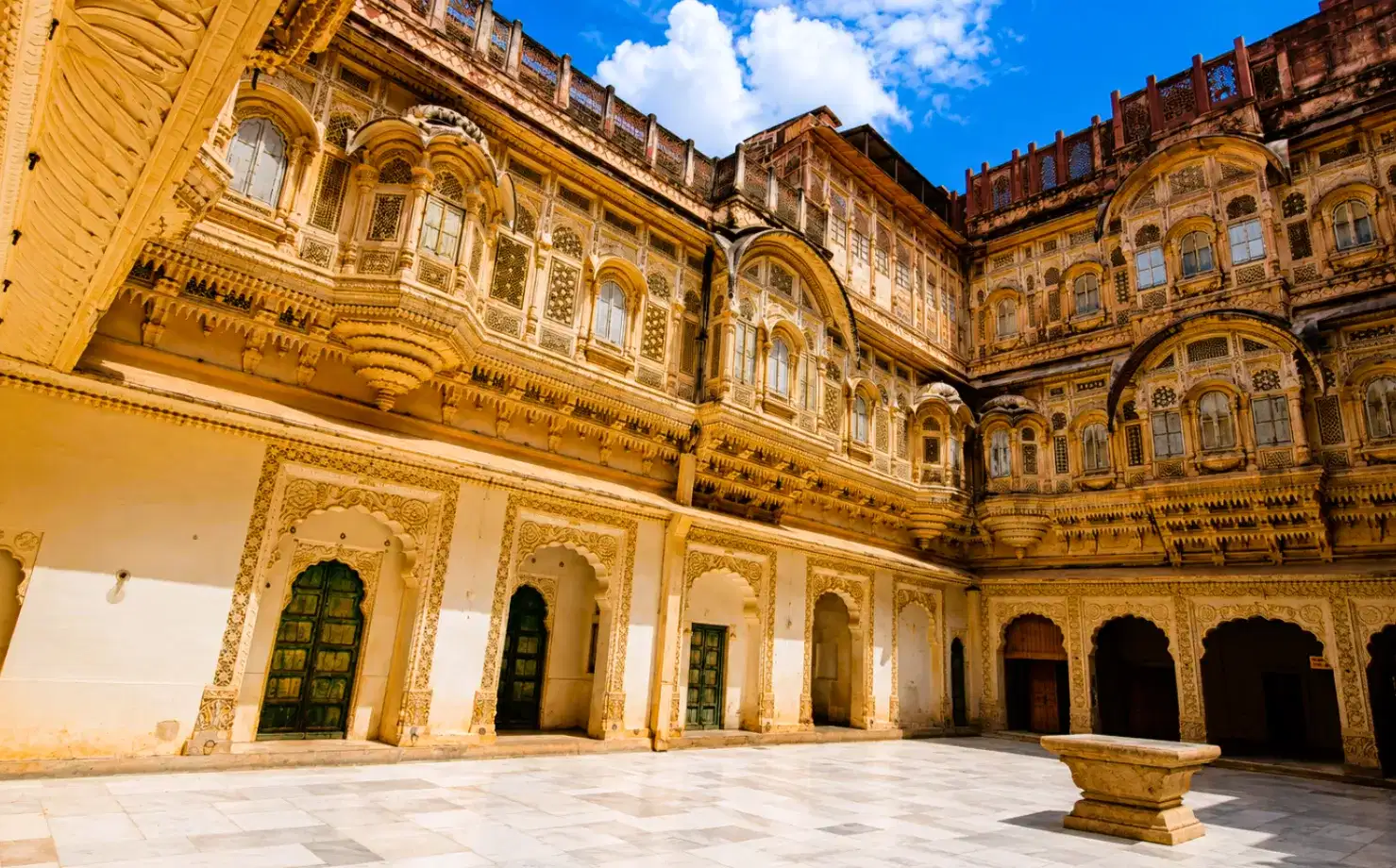
Mehrangarh Fort rises from a rocky hill above Jodhpur and is the city's essential heritage experience. Rao Jodha began the fort in 1459, and later rulers expanded its gates, courtyards, palaces, temples, and defensive walls.
Inside, the museum collections and palace rooms introduce Marwar's courtly history through arms, textiles, paintings, decorative arts, and royal objects. The ramparts also give the clearest overview of the old city. Allow time for slopes, stairs, galleries, and pauses rather than treating the fort as a quick viewpoint.
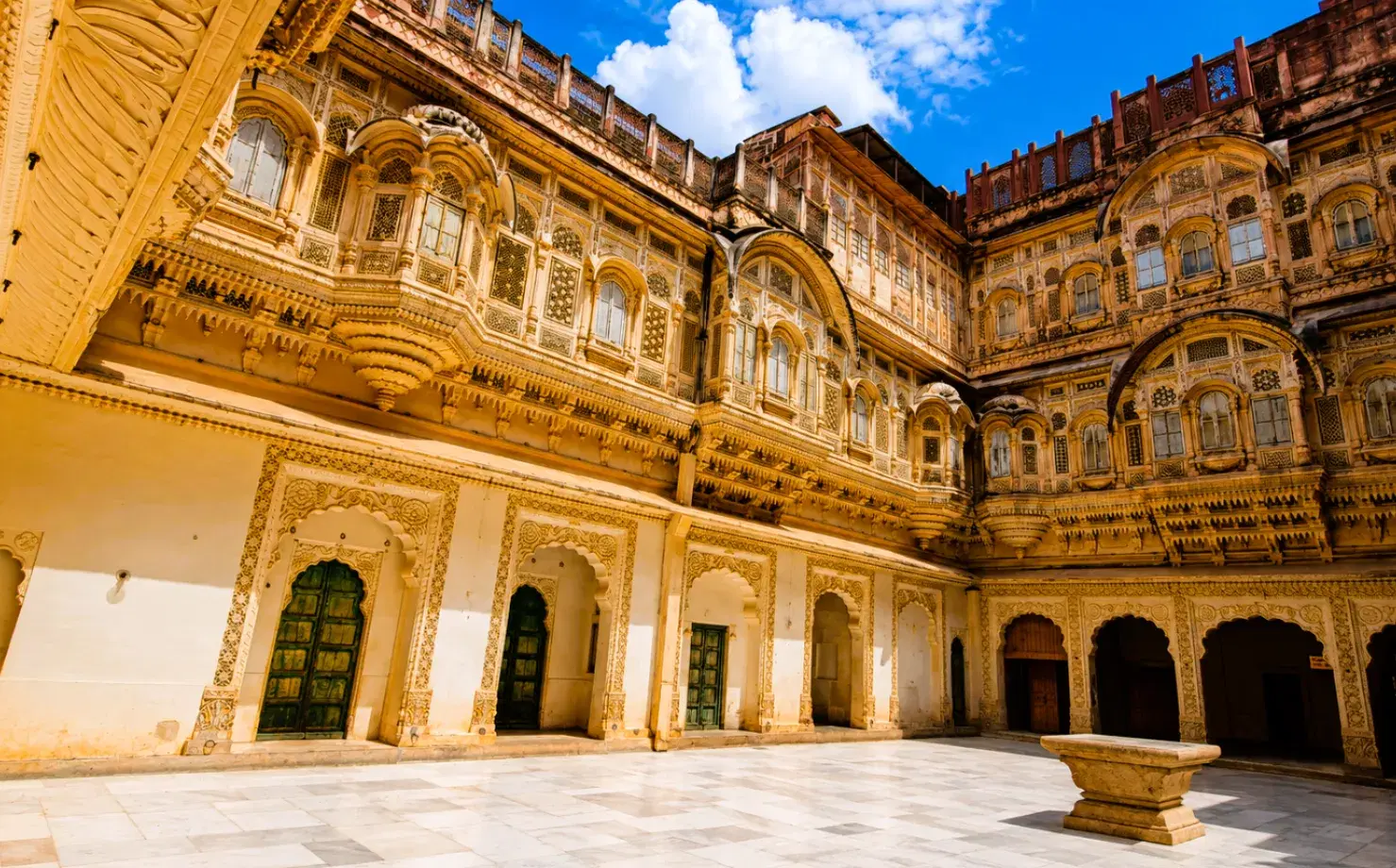
Wear shoes with grip, carry water, and dress respectfully around active shrines. Accessibility varies between courtyards and galleries.
Jaswant Thada is a white-marble royal memorial built at the end of the 19th century in memory of Maharaja Jaswant Singh II. Its carved stone, portraits of Marwar rulers, garden, and quiet lakeside setting create a calmer contrast to Mehrangarh.
Because it stands close to the fort, both sites work well in one half-day route. Move slowly around the memorial spaces, keep voices low, and leave room for other visitors at the narrow viewpoints and steps.
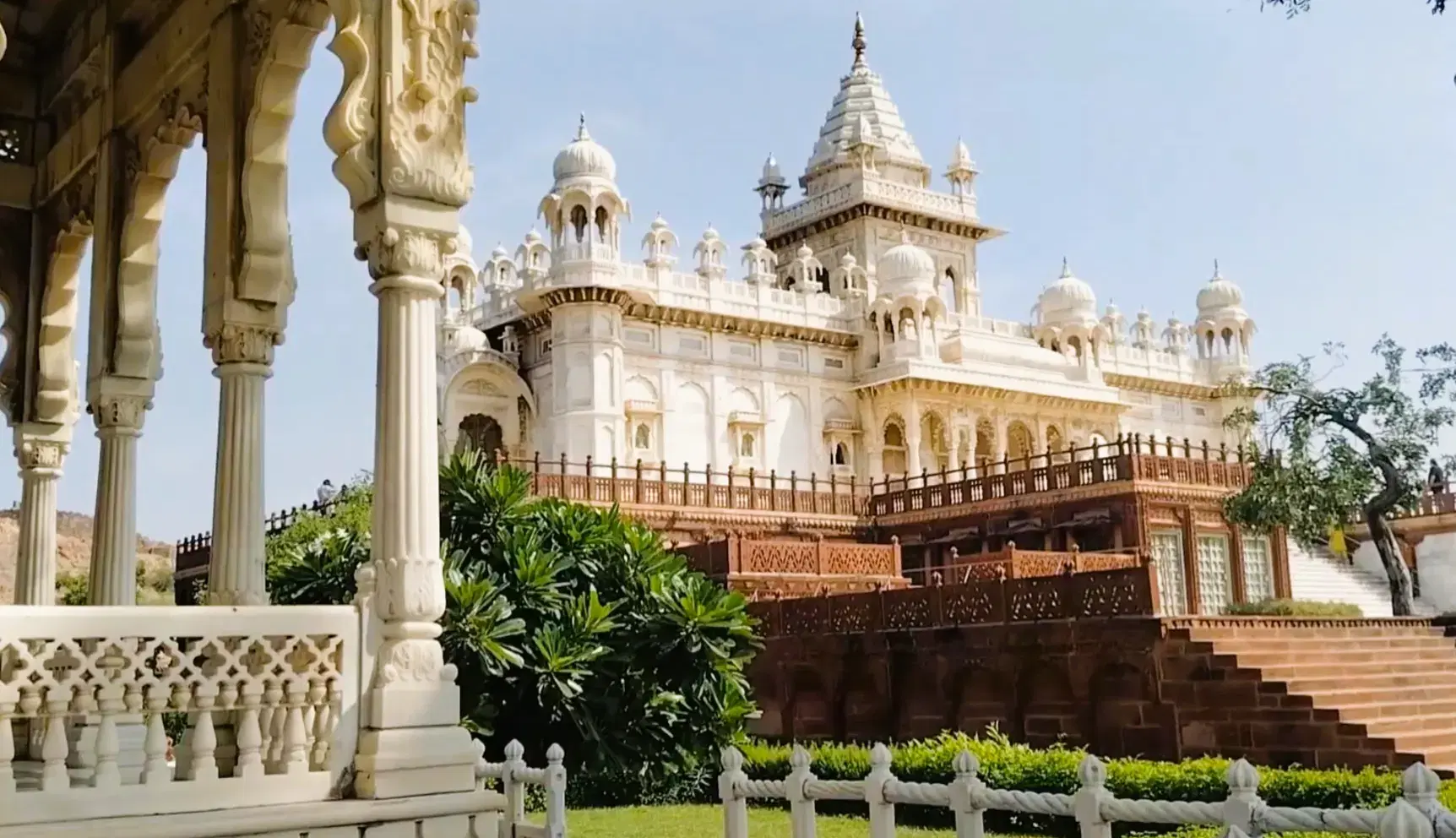
Some steps and uneven surfaces may require assistance. Follow posted photography and access rules.
Umaid Bhawan Palace is a major 20th-century Jodhpur landmark built in sandstone and marble. Rajasthan Tourism records that construction began under Maharaja Umaid Singh in 1929 and continued for 16 years, with architecture combining several revival and Art Deco influences.
Only the designated museum section is open to general sightseeing; other parts operate as a hotel and royal residence. The museum displays selected photographs and objects connected with the Jodhpur royal family. Respect the clear boundary between public and private areas.
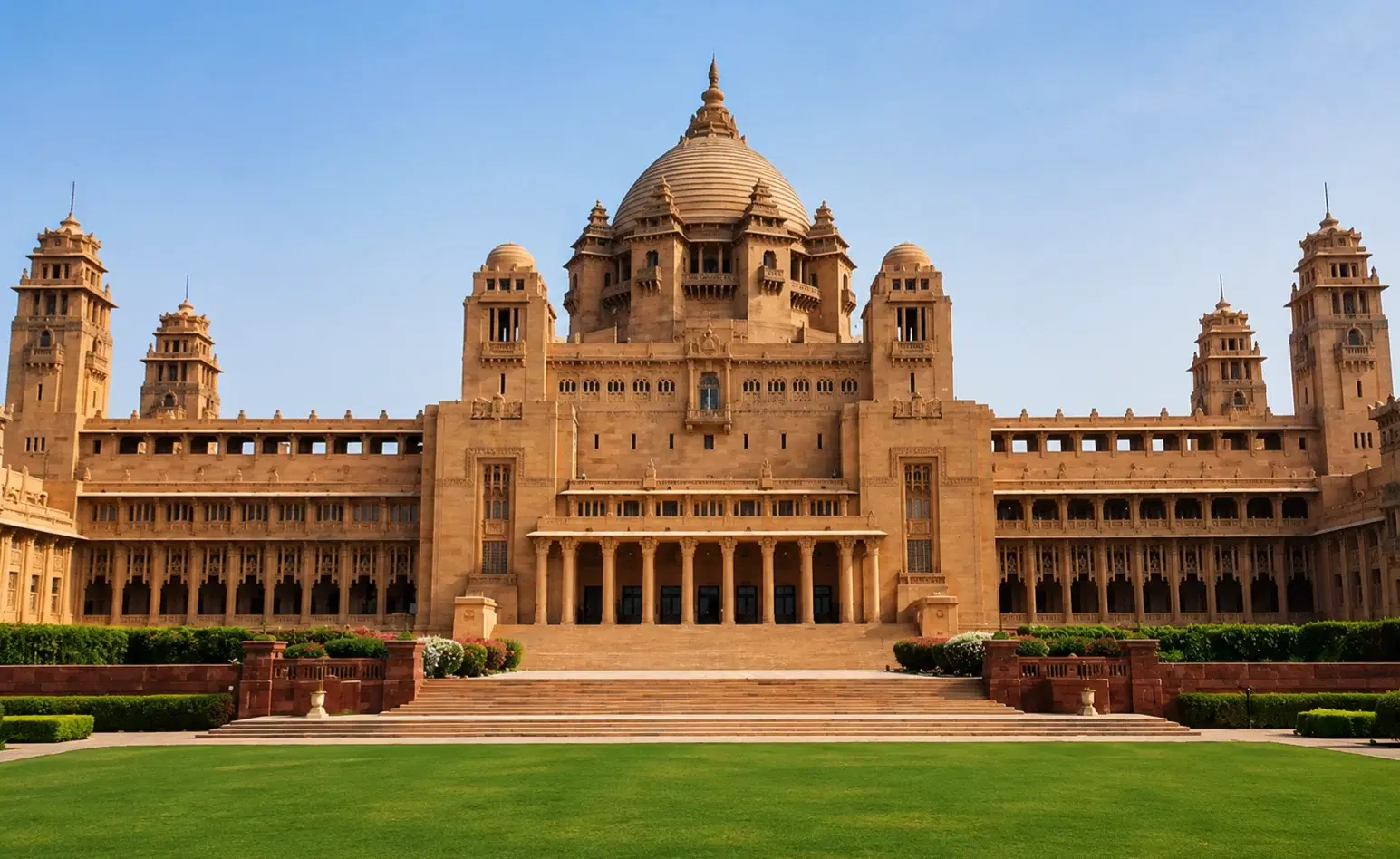
Stay within public museum areas and follow current security, bag, and photography instructions.
Ghanta Ghar, or the Clock Tower, stands beside Sardar Market in one of Jodhpur's busiest old-city areas. The surrounding lanes bring together spices, textiles, handicrafts, snacks, everyday shopping, cafés, and views towards Mehrangarh.
The market is best experienced as a walk rather than a single monument stop. Compare prices, ask before photographing vendors, keep valuables secure, and avoid blocking narrow shopfronts. Food hygiene and traffic conditions vary from lane to lane.
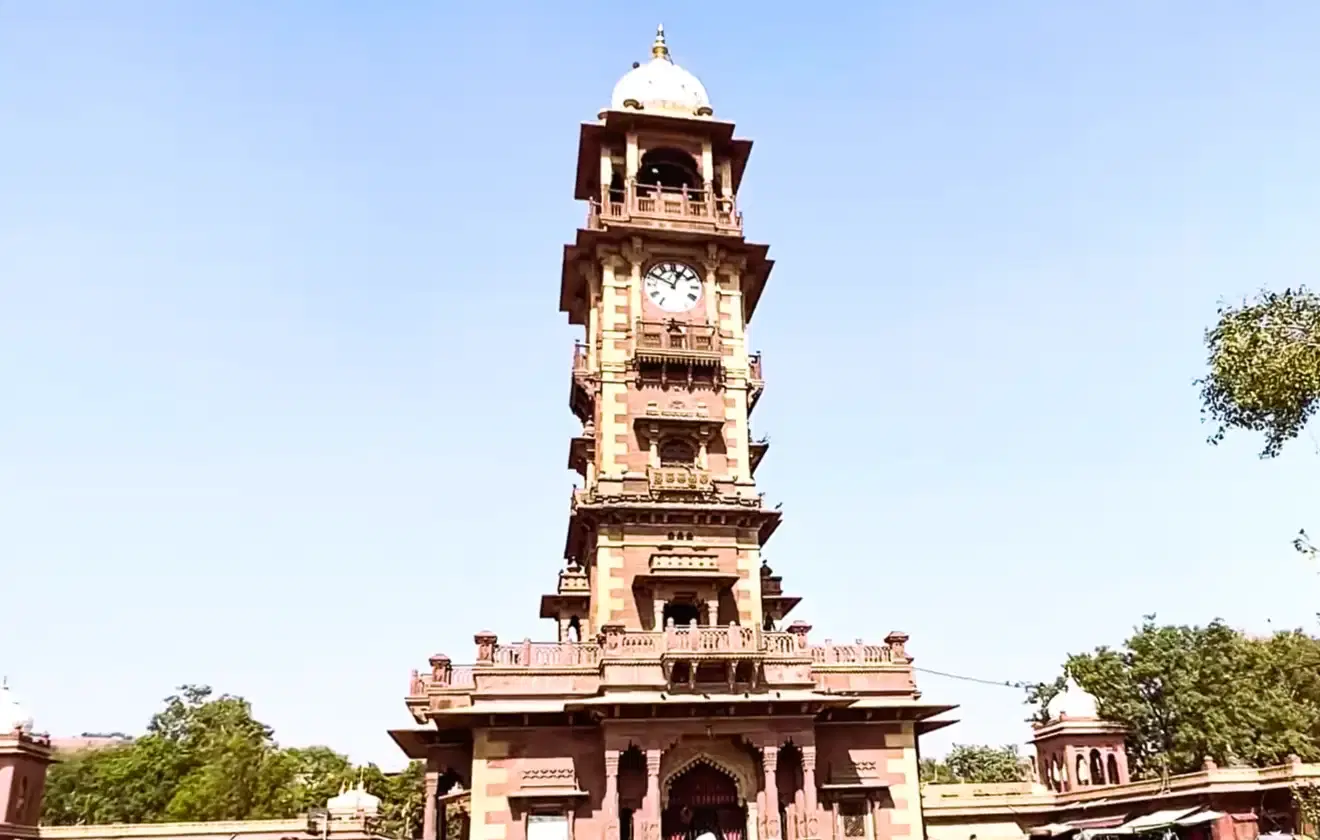
Expect crowds, uneven paving, and mixed pedestrian traffic. Supervise children closely.
Toorji Ka Jhalra is an 18th-century stepwell in Jodhpur's old city, known for its geometric flights of sandstone steps and carved architectural details. Its compact setting makes it easy to combine with the Clock Tower, nearby cafés, and a walk through the surrounding lanes.
The stepwell is an exposed water structure rather than a controlled viewing platform. Stay on safe, dry steps, do not enter the water, and avoid climbing closed or fragile areas for photographs.
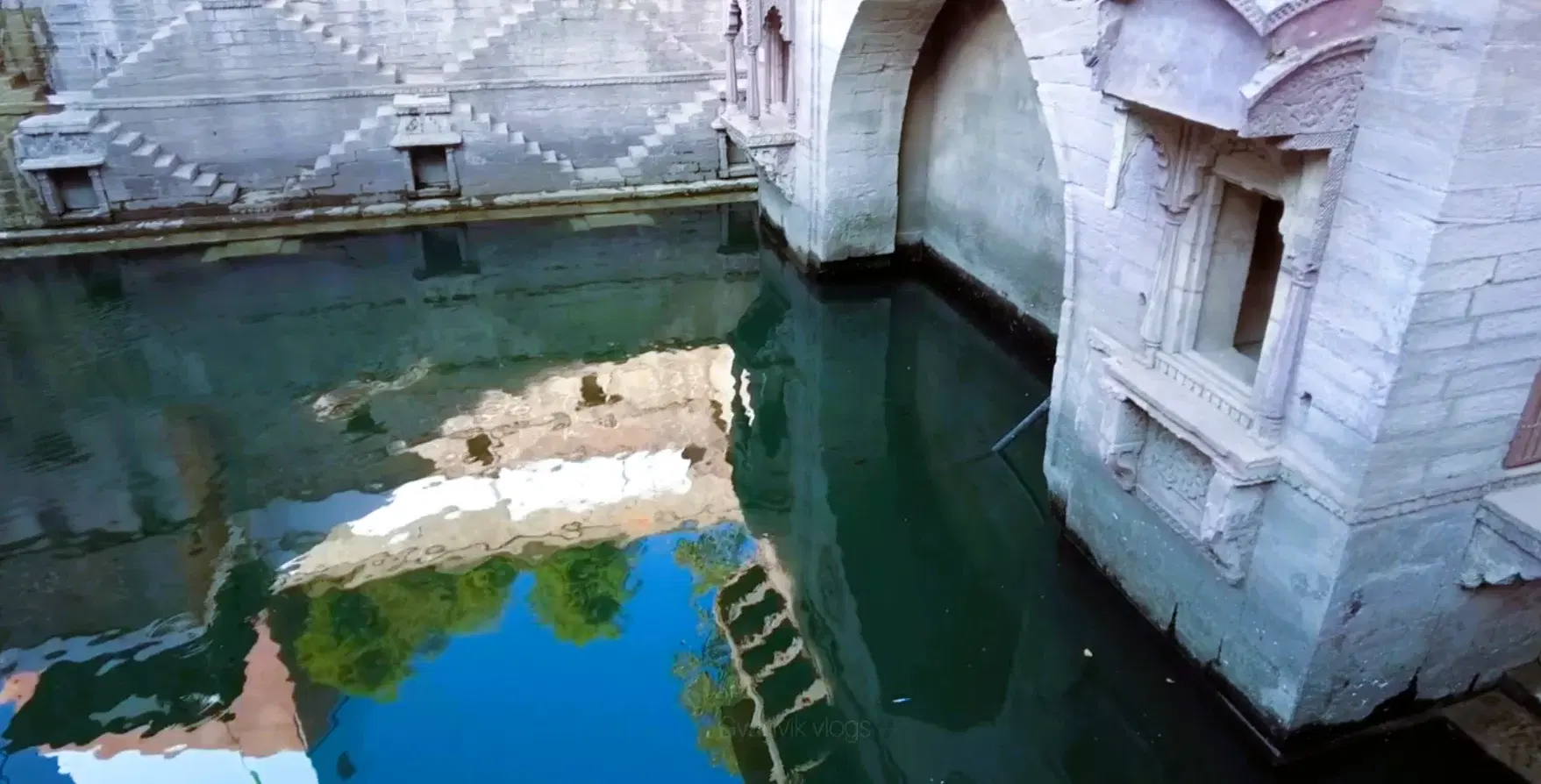
There are no protective railings across every edge. Children need close supervision, and swimming is unsafe.
Mandore, north of modern Jodhpur, was the earlier capital of Marwar. Its heritage landscape includes temple-like royal cenotaphs, gardens, shrines, and museum or gallery spaces whose access can vary.
Treat the grounds as both a public garden and a historic memorial area. Monkeys may be present, so keep food packed away and do not feed or approach animals. Allow more time than a quick roadside stop if you want to examine the cenotaph architecture.
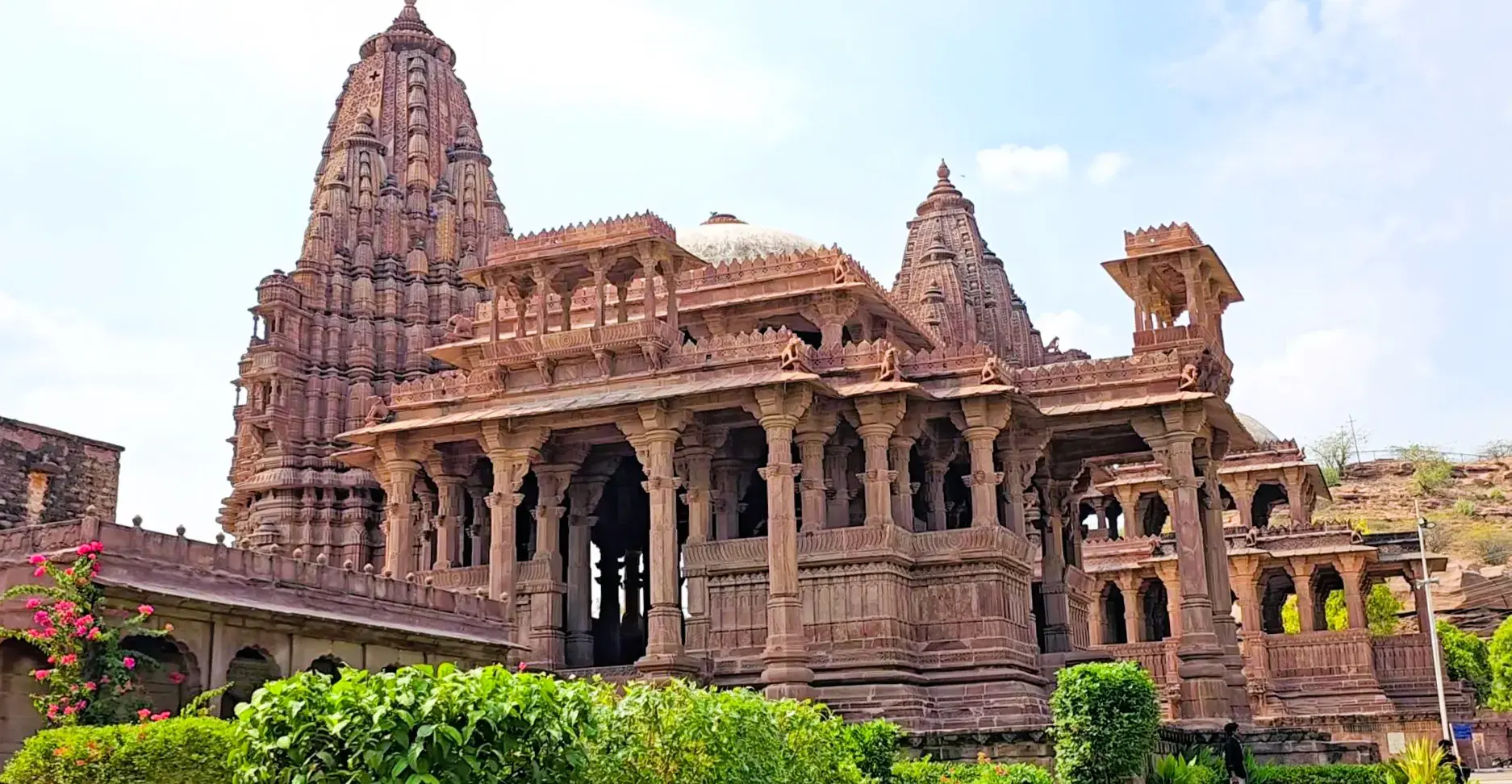
Do not feed monkeys, protect loose belongings, and wear footwear suitable for uneven paths.
Rao Jodha Desert Rock Park spreads across the rocky landscape beside Mehrangarh Fort. Its restoration work highlights native desert plants, geology, seasonal birds, walking trails, and close views of the fort's escarpment.
Choose a route that matches the heat and your fitness. The trails are exposed and uneven, so this is a nature walk rather than a landscaped city garden. Visitors should check trail availability, guided walks, and seasonal hours directly.
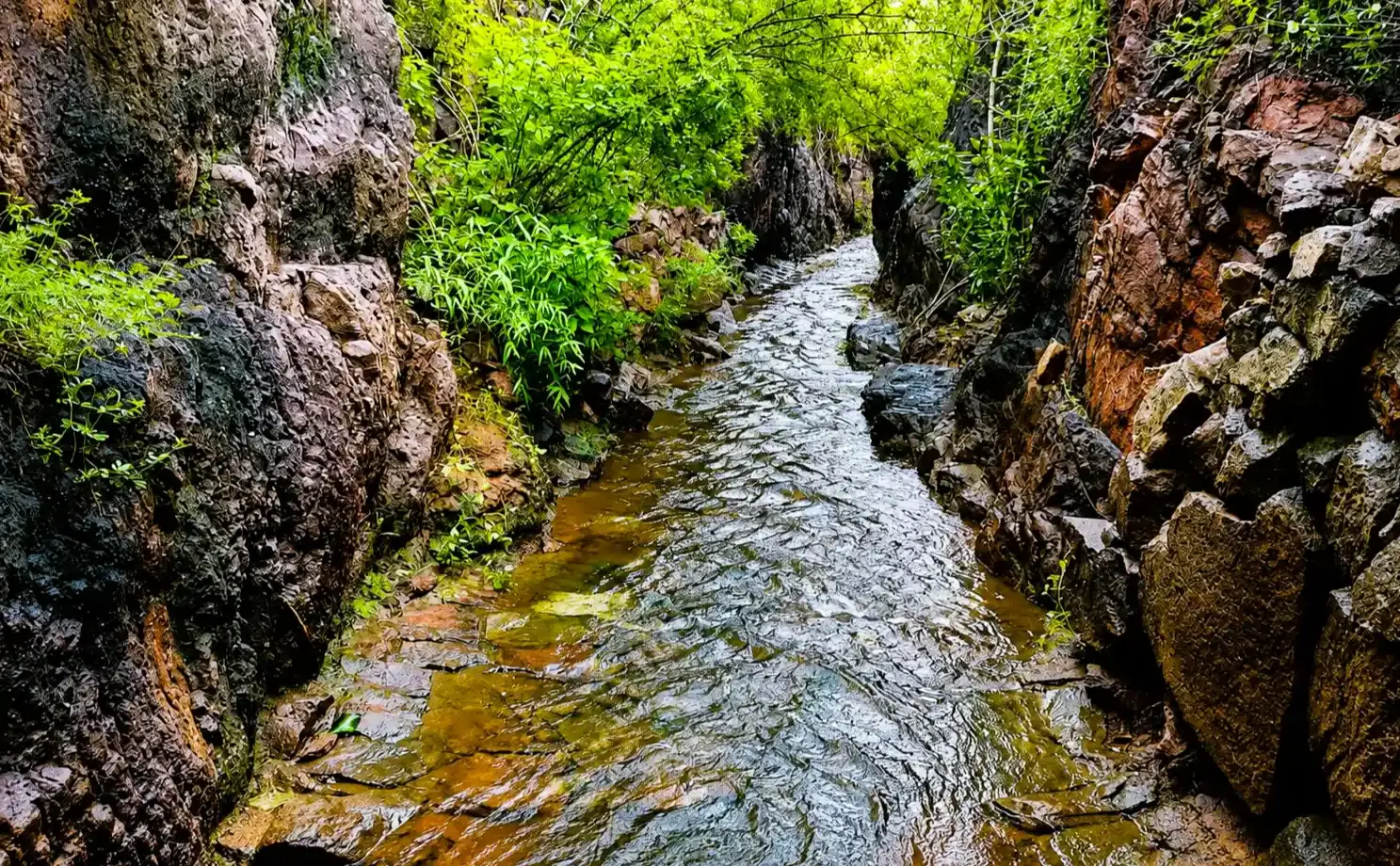
Carry water, sun protection, and closed shoes. Stay on marked routes and do not remove plants or rocks.
About 9 km from central Jodhpur · Allow 45–75 min
A reservoir and popular sunset stop; use designated viewing areas and verify any boating locally.
North of Jodhpur near Mandore · Access varies
A historic lake and garden landscape; parts may be associated with private hospitality, so confirm public access before traveling.
Near Kaylana Lake · Allow 2–3 hours
A family wildlife outing where weekly closures, ticketing, and seasonal hours should be check.
About 65 km from Jodhpur · Half or full day
A temple town north of Jodhpur. Choose registered operators for any dune or camel activity and agree on the full price in advance.
Approx. 280–290 km by road · Separate overnight destination
Continue west for an inhabited fort, havelis, desert landscapes, and a longer Rajasthan circuit.
Separate Rajasthan city break
Pair Jodhpur's Marwar heritage with Jaipur's forts, palaces, bazaars, and major transport connections.
Approx. 250–260 km by road · Separate overnight destination
Continue south for Udaipur's lakes, palaces, old-city streets, and a contrasting Mewar experience.
A chili fritter filled with spiced potato and served hot; ask about heat level and choose a busy, hygienic stall.
A crisp pastry with a savory onion filling, commonly eaten as a snack with chutneys.
A rich, sweet lassi associated with Jodhpur; portions can be substantial.
A sweet kachori filled with reduced milk solids and finished with syrup.
A classic Rajasthan meal combining lentils, baked wheat baati, ghee, and sweet churma.
Day 1
Day 2
Day 3
Jodhpur is most rewarding when its major monuments are balanced with the living old city, markets, food, and desert ecology. Two well-paced days cover the essentials, while a third creates room for Mandore, a nature walk, or an excursion beyond the city.
Use this guide as a planning framework, then verify the current details that change most often: opening hours, ticket prices, transport schedules, festival dates, and commercial tour inclusions.
Check these official resources for destination information and current notices. Confirm opening times, entry charges and access requirements before travelling.
Found something outdated? Send Traviya a correction.