Autumn and winter
October–February
Comfortable for walking and sightseeing; fair weather and winter nights require planning.

Pushkar is a compact pilgrimage town in Rajasthan's Ajmer district, centered on Pushkar Lake and its ghats. Temples, market lanes, hill walks and the annual Pushkar Fair give the town a mix of spiritual, cultural and scenic experiences.
Most central places are walkable, making one day enough for the main sights and two days better for Savitri Temple, Nag Pahad or a slower visit. Religious spaces remain active places of worship, so respectful clothing and photography etiquette matter throughout the trip. Compare hotels in Pushkar, arrange Pushkar cab services, or browse more India travel guides.
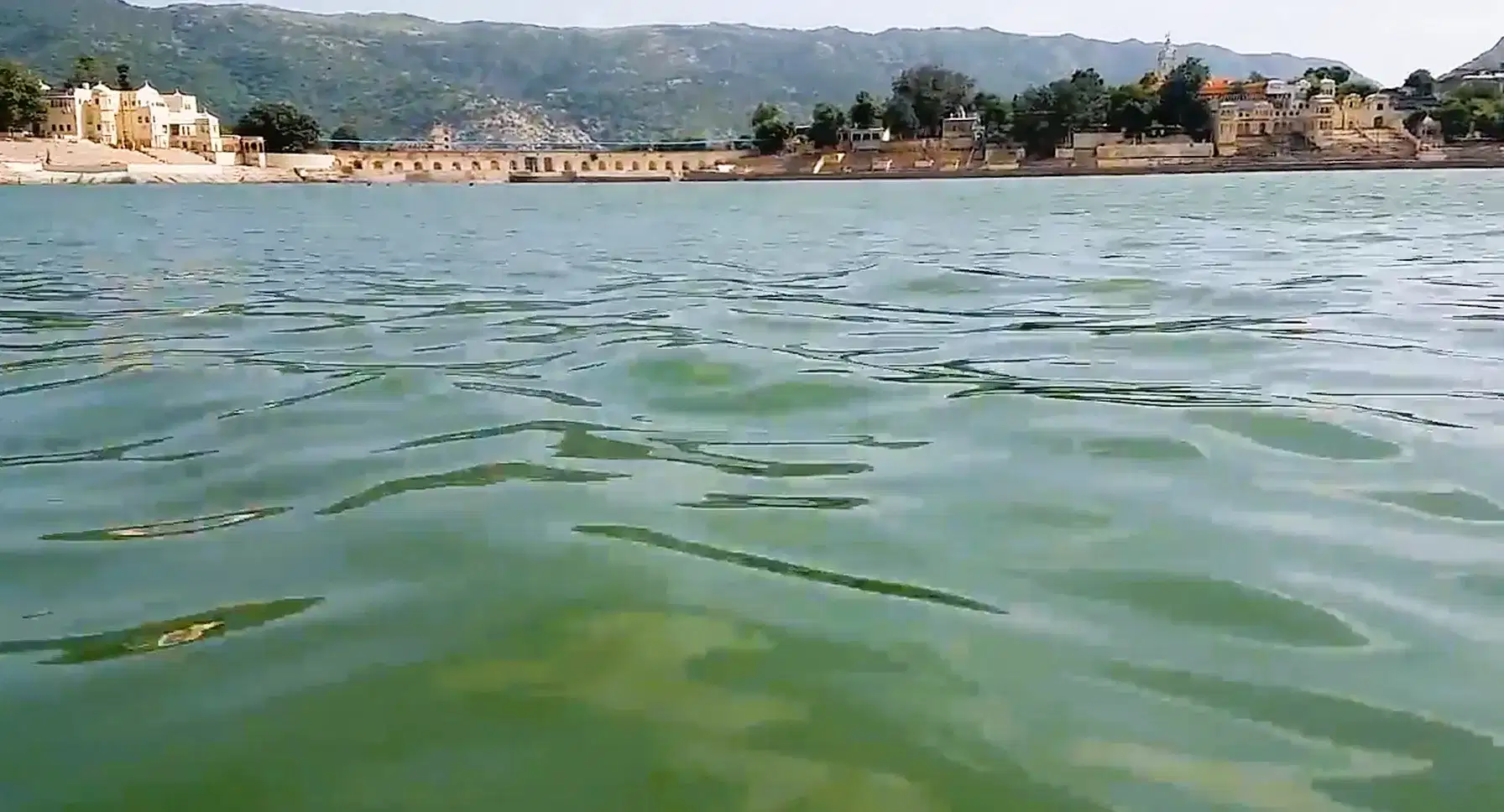
Pushkar Lake, its waterfront ghats and the surrounding Aravalli hills.
Need a cab in Pushkar?
October to March generally offers the most comfortable conditions for walking, temple visits and hill viewpoints. The Pushkar Fair falls in the Hindu month of Kartik, usually during October or November, but official dates change each year. Summers are very hot, while monsoon weather can interrupt outdoor plans.
October–February
Comfortable for walking and sightseeing; fair weather and winter nights require planning.
March
Usually suitable for sightseeing before the strongest summer heat.
April–June
Very hot afternoons; schedule outdoor visits early and carry water.
July–September
Occasional rain and humid conditions; check hill paths before walking.
Pushkar Lake is the spiritual and geographic center of town. Rajasthan Tourism describes the semi-circular lake as being surrounded by 52 bathing ghats and hundreds of temples. Pilgrims visit for ritual bathing and worship, while other travelers can appreciate the architecture, reflections and changing activity around the waterfront.
Walk the ghats quietly in the morning or late afternoon, but remember that this is not simply a scenic promenade. Remove footwear where instructed, dress modestly and ask before photographing worshippers or ceremonies. Avoid accepting services or making payments without first understanding what is being offered and agreeing to the amount.
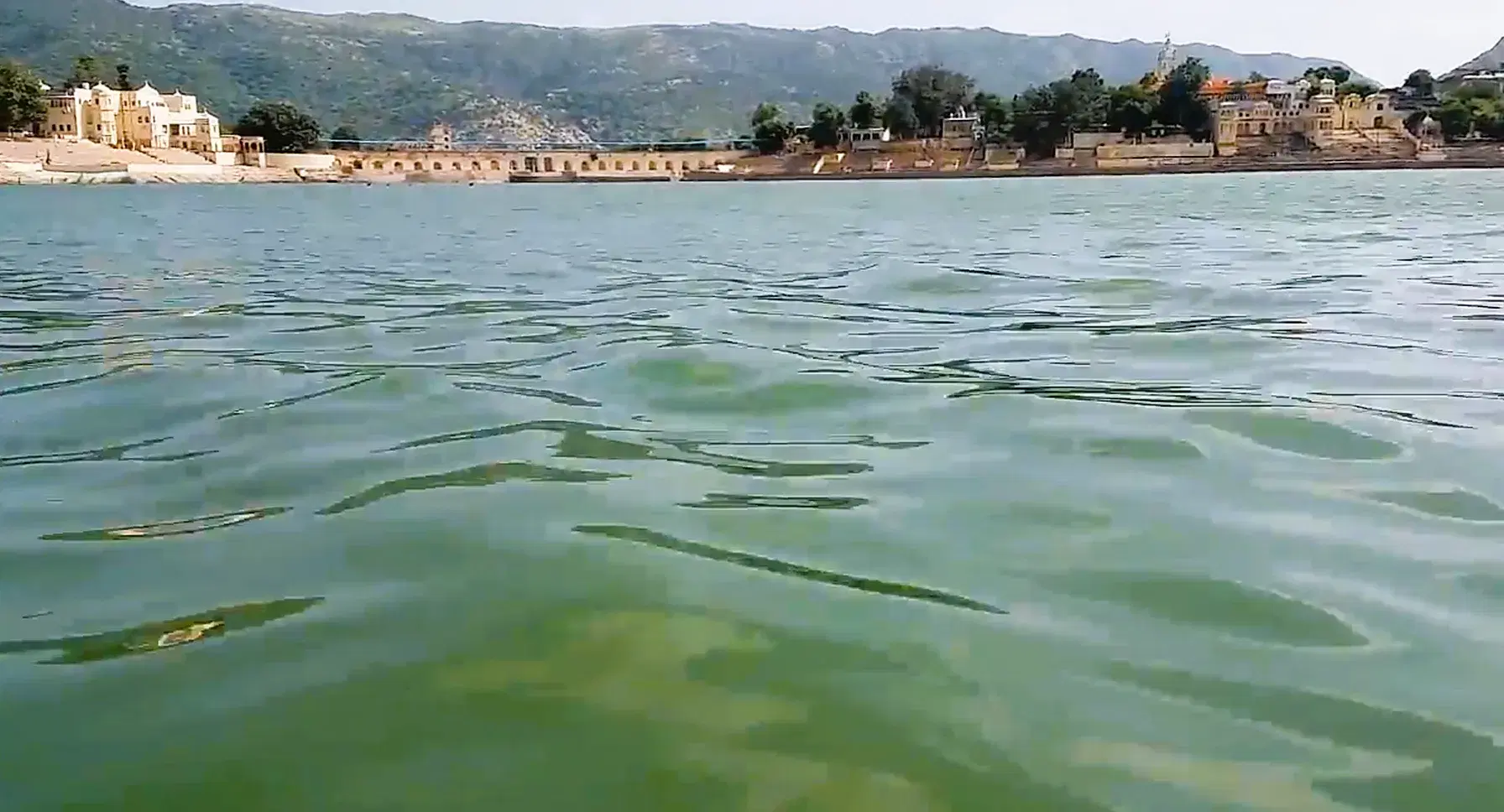
The ghats are active religious spaces. Follow signs, respect restricted areas, and use steps carefully because surfaces can be wet.
Jagatpita Brahma Temple is Pushkar's best-known temple and one of India's most prominent shrines dedicated to Lord Brahma. Rajasthan Tourism dates the present structure to the 14th century and identifies its red pinnacle, marble-and-stone construction and hamsa motif as distinctive features.
The temple is close to Pushkar Lake and fits naturally into a walking circuit with the ghats and bazaar. It remains an active place of worship, so remove footwear, dress modestly and follow current instructions on phones, bags and photography. Opening arrangements can change during festivals and rituals; confirm them locally rather than relying on a fixed online timetable.
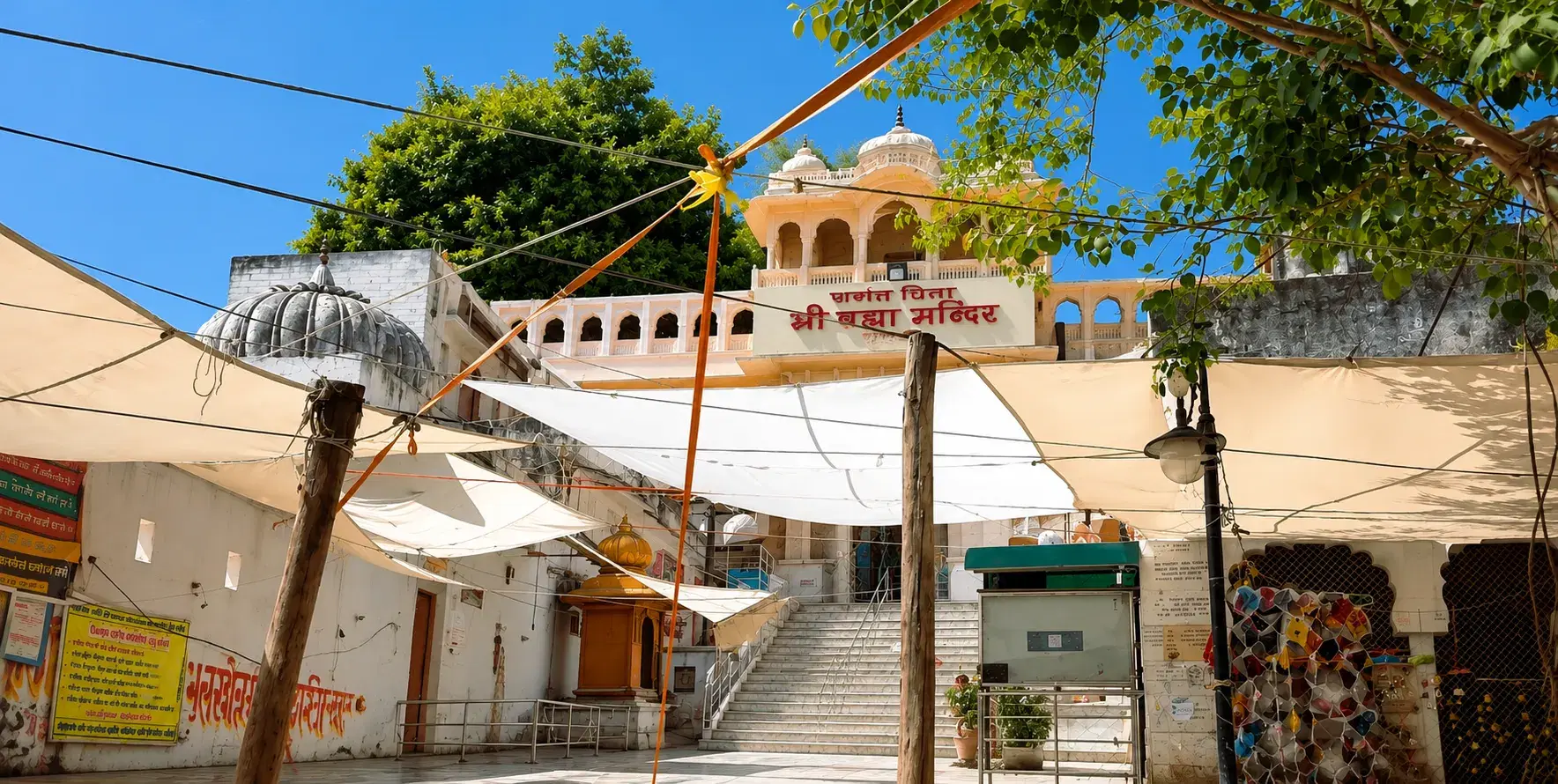
Modest clothing and footwear removal are expected. Make space for worshippers and treat legends as part of the site's religious tradition.
Savitri Mata Temple sits on a hill behind the Brahma Temple and is dedicated to Goddess Savitri. The approach offers broad views over Pushkar Lake, temples, town, and the surrounding semi-arid landscape. Visitors can climb the long stepped route or use the ropeway when it is operating.
Start early to avoid the strongest heat and carry water for the climb. The steps require steady footwear and reasonable fitness; the ropeway may suit travelers who prefer to avoid the ascent, but queues and operations vary. At the summit, keep the temple area quiet and remain within safe viewpoints, especially during windy or crowded conditions.
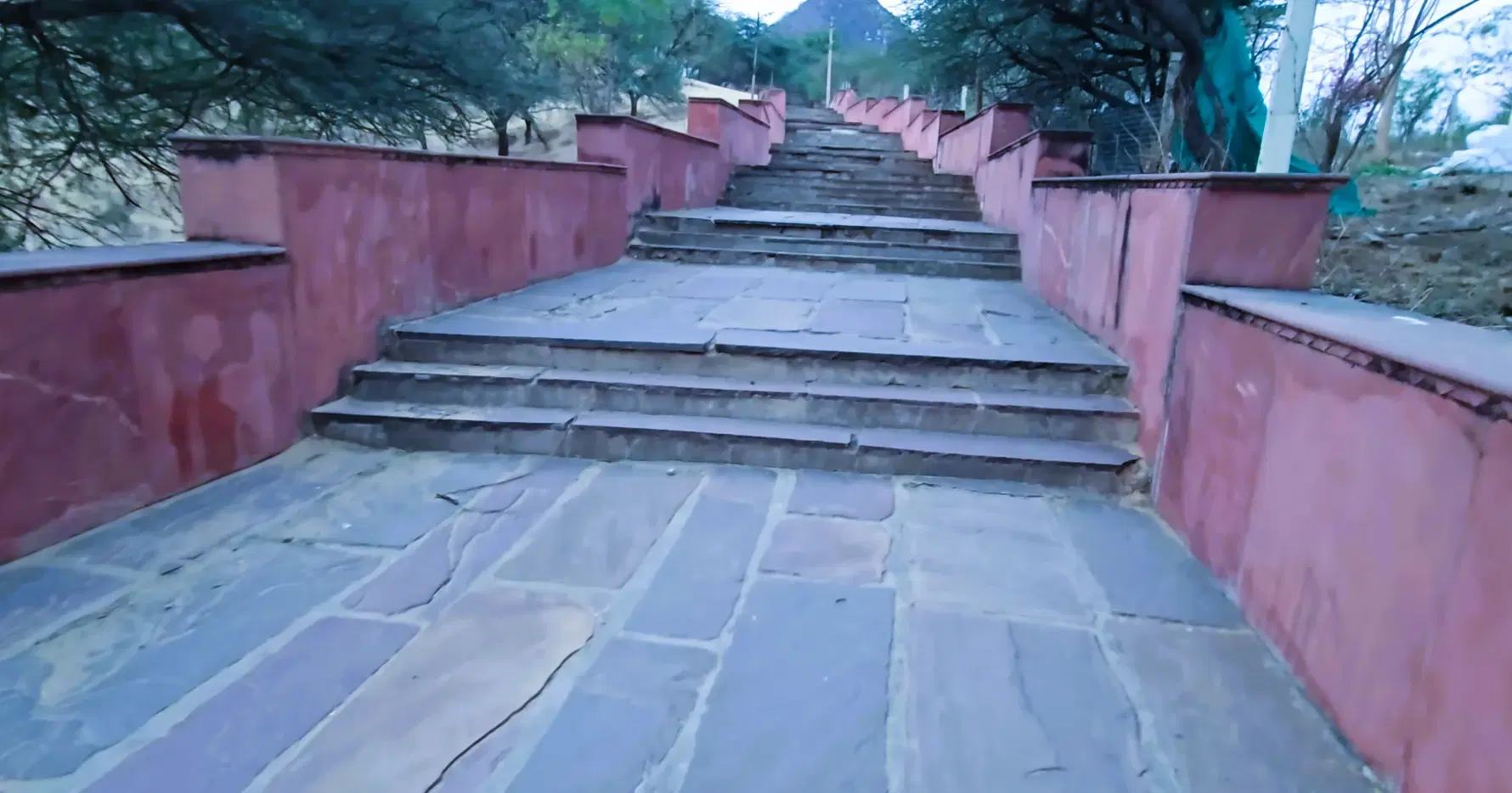
The climb is long and exposed. Travelers with mobility, heart, or heat-related concerns should assess the route carefully.
Varaha Temple is one of Pushkar's important historic shrines. Rajasthan Tourism attributes its construction to the 12th-century ruler King Anaji Chauhan and identifies the temple as dedicated to Varaha, the boar incarnation of Lord Vishnu. Its raised entrance and traditional town setting give it a distinct character from the lakeside ghats.
Because the temple is within the compact central area, the temple can be combined with Pushkar Lake, Brahma Temple and the market without extra transport. Dress modestly, remove footwear where instructed and avoid quoting fixed hours without checking locally. The steps and uneven approach may require slower pacing for some visitors.
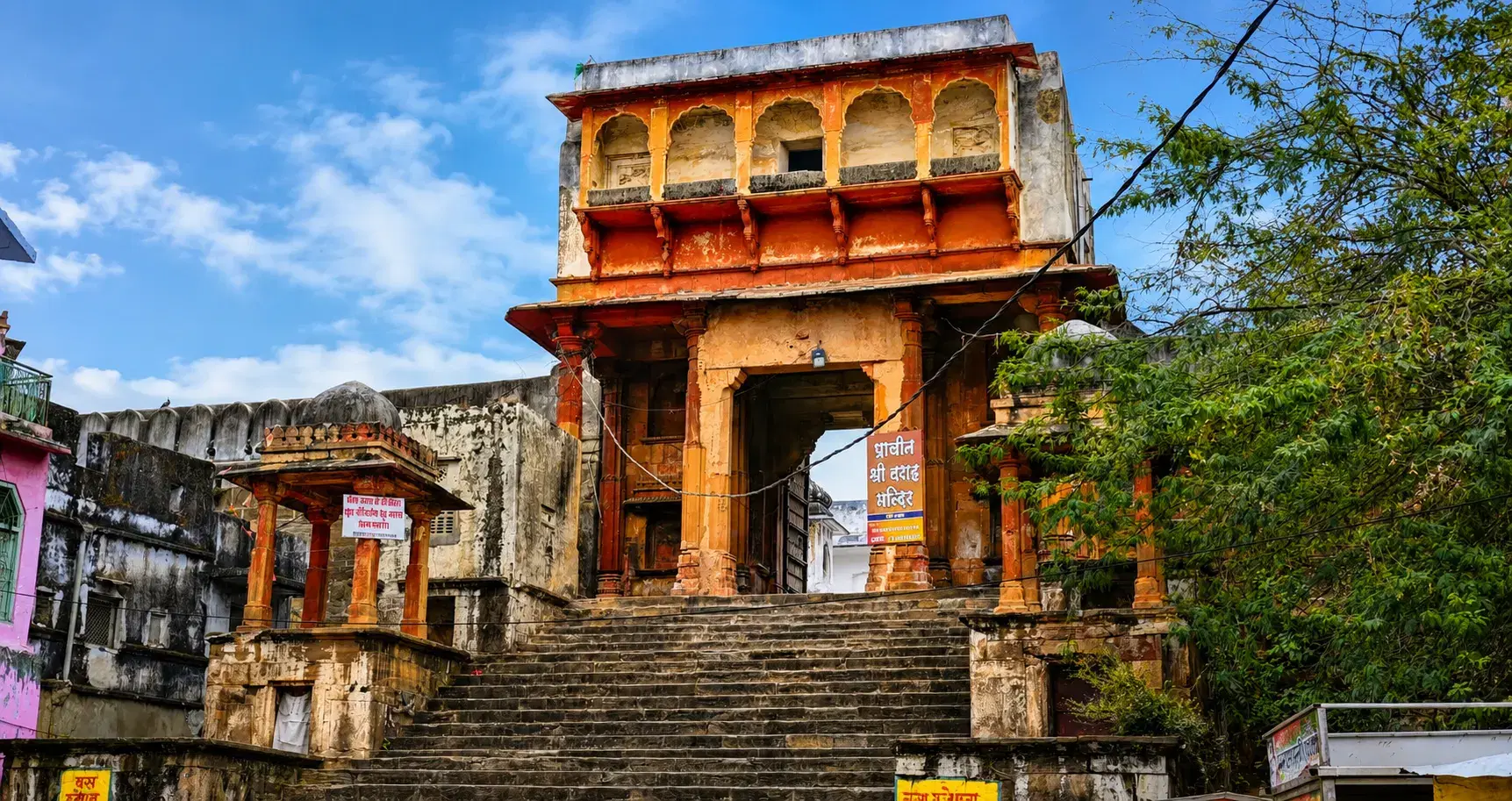
This is an active shrine. Current access, ritual schedules and photography rules should be confirmed at the entrance.
Gurudwara Singh Sabha provides an important Sikh heritage stop in Pushkar. Rajasthan Tourism states that it was built in the early 19th century to commemorate visits associated with Guru Nanak Dev and Guru Gobind Singh. Its white domes and Nishan Sahib create a clear landmark in the eastern part of town.
Visitors of all backgrounds can enter respectfully. Cover your head, remove footwear, wash hands where requested, and keep the prayer hall quiet. Langar and prayer arrangements depend on the day and local schedule, so do not promise a meal or fixed program. Ask before taking photographs or joining an activity.
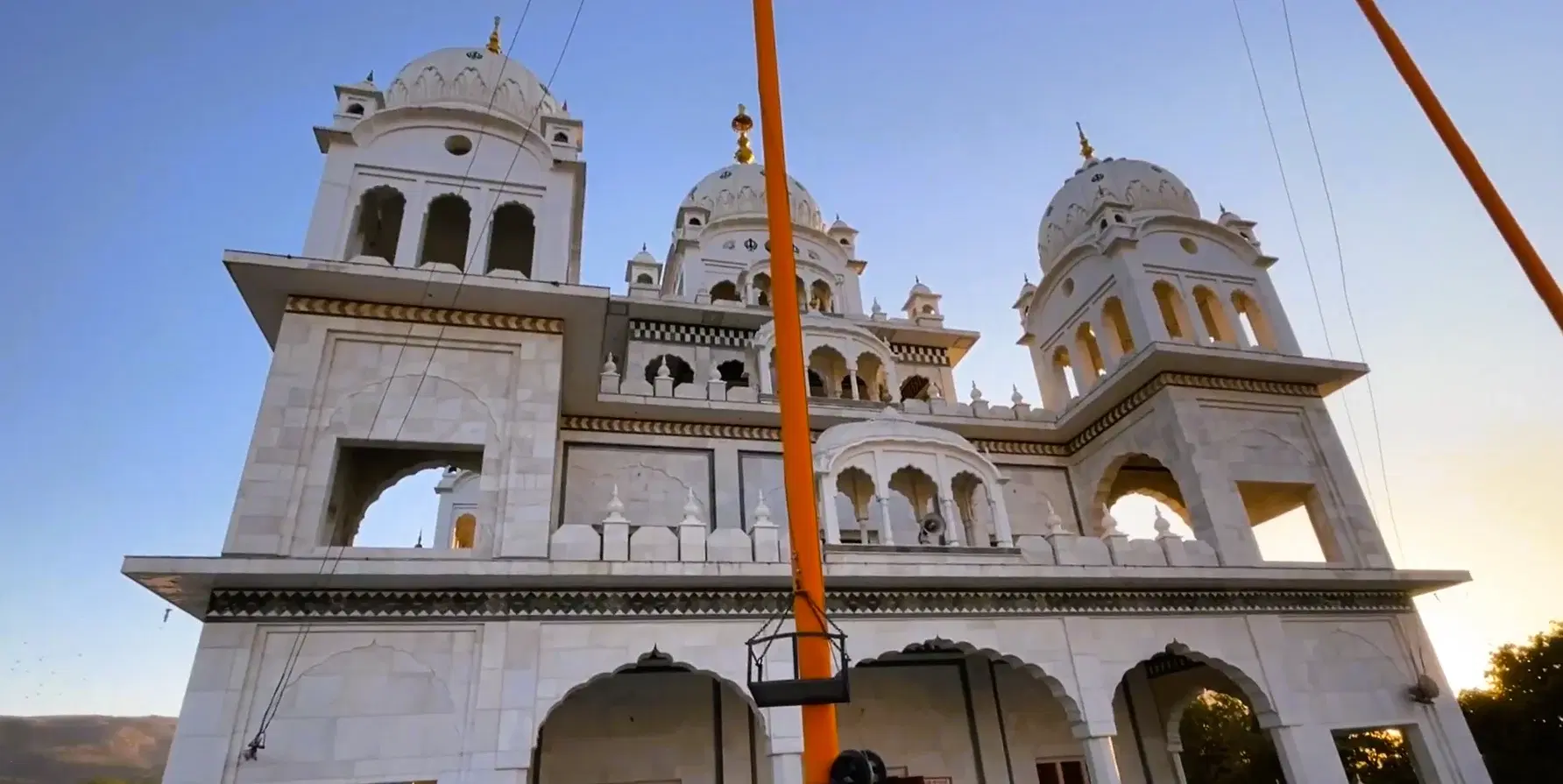
Head covering and footwear removal are expected. Follow instructions at the entrance and keep phones silent in the prayer hall.
Pushkar Bazaar and the surrounding lanes connect the lake, temples, cafés and small shops into one lively walking area. Rajasthan Tourism highlights jewelry, embroidered fabrics, leather goods and decorative items among the common purchases. The market is as useful for observing everyday town life as it is for souvenir shopping.
Compare quality and prices before buying, and bargain politely where appropriate. If purchasing decorative knives or other restricted-looking souvenirs, confirm transport, airline and destination rules before payment. Give priority to clearly made local products, keep the narrow lanes clear and avoid photographing shopkeepers closely without asking.
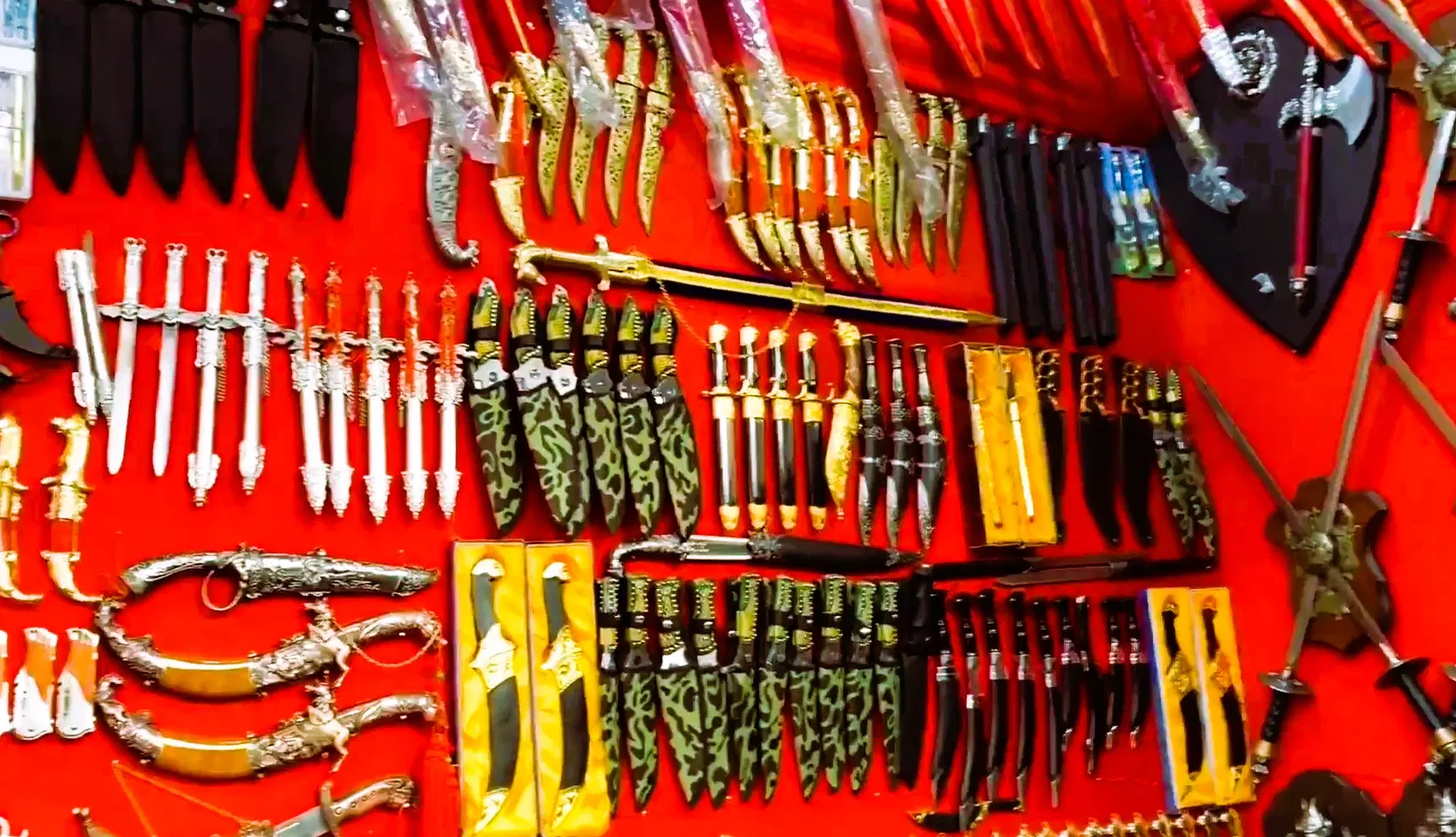
The lanes can be crowded and uneven. Keep valuables secure and leave room for residents, pilgrims and working vehicles.
Nag Pahad, or Snake Mountain, forms the natural ridge between Ajmer and Pushkar. Rajasthan Tourism identifies it as a defining part of Pushkar's landscape. Its rocky terrain offers a different experience from the busy ghats and bazaars, but routes are less formal than the town's central walking circuit.
Treat any ridge walk as an outdoor excursion rather than a casual city stroll. Go in daylight, use reliable footwear, carry water and avoid walking alone on unfamiliar paths. Old stonework and loose rock can be unstable, so stay on clear routes and do not climb walls or exposed edges for photographs.
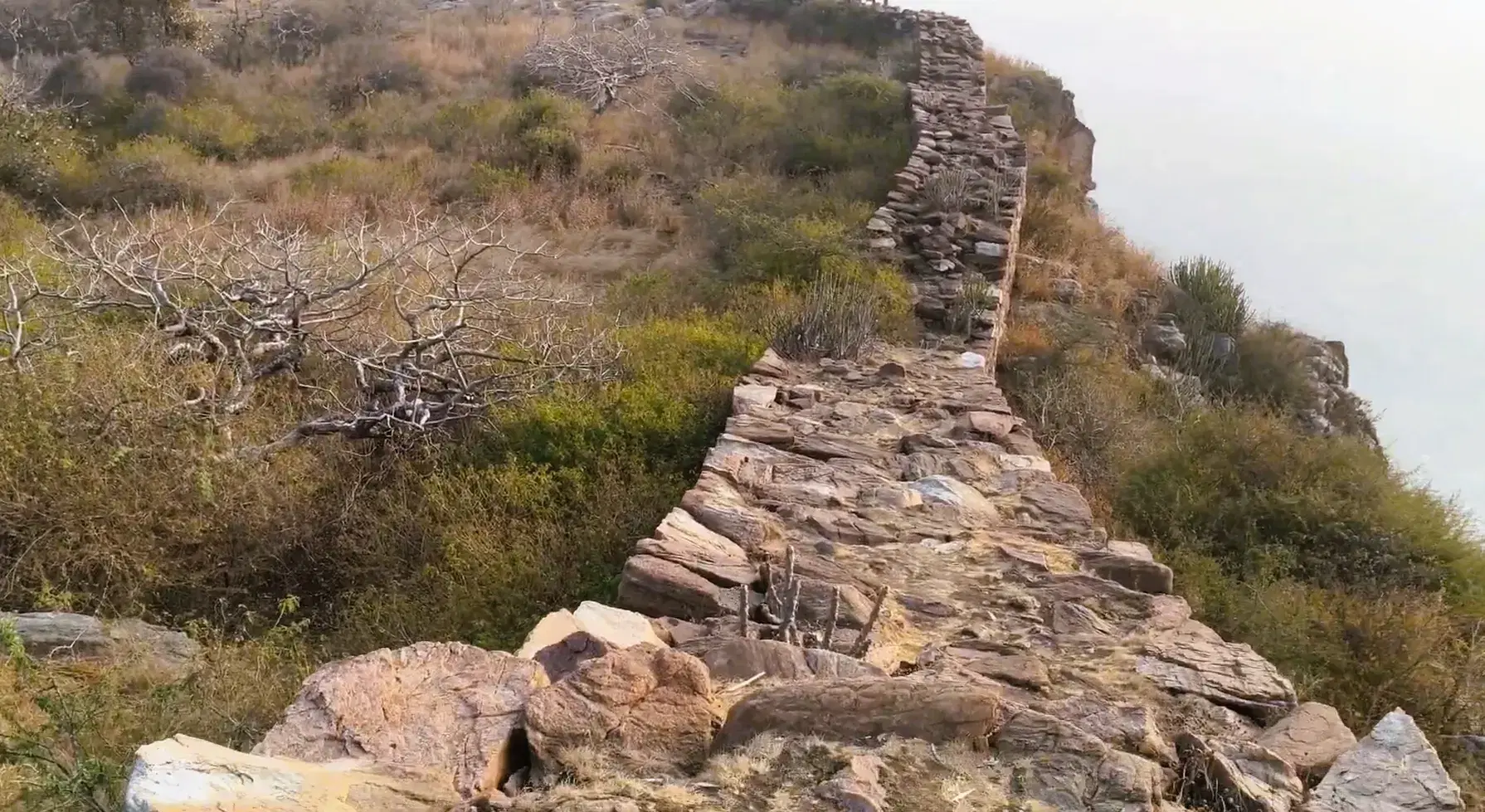
Trail conditions and access are not uniform. Do not climb unstable stone structures or approach exposed ridge edges.
Pushkar Fair, also called Pushkar Mela or the Camel Fair, is an annual livestock and cultural event linked with the Kartik pilgrimage period. Rajasthan Tourism describes the core fair as a five-day event and one of the world's largest cattle fairs, with livestock trading, competitions and cultural programs drawing visitors to the fairground.
Dates follow the festival calendar and change every year, so use the official Rajasthan Tourism schedule rather than relying on an old blog post. Accommodation, transport and central streets become much busier. Book early, protect yourself from dust and sun, respect livestock handlers and never assume every advertised activity operates throughout the entire festival period.
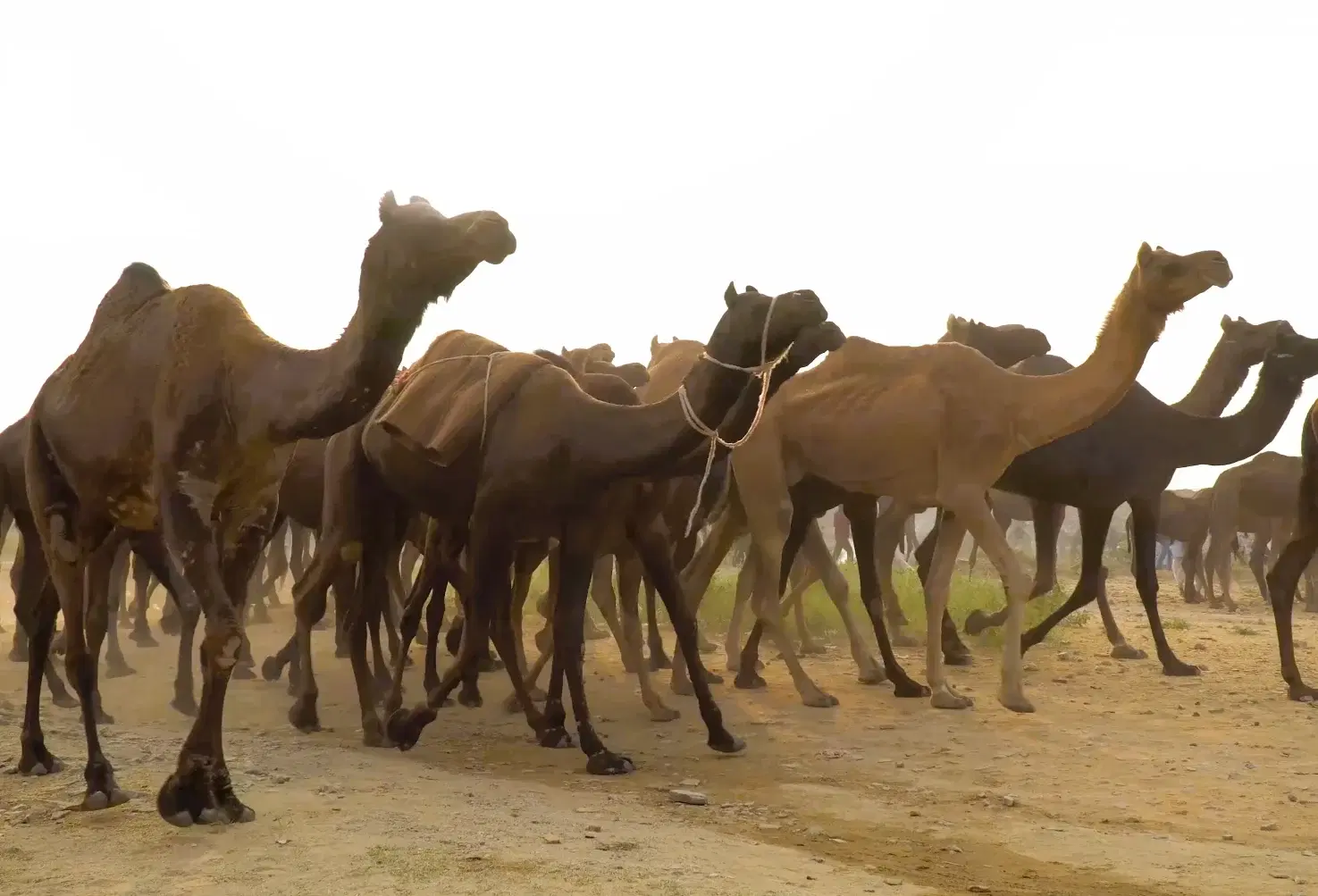
The event is seasonal and crowded. Keep a meeting point for groups, carry water and ask before photographing people closely.
Central Pushkar · Allow 30–45 min
A temple complex known for a blend of South Indian, Rajput and Mughal architectural influences.
Beside Pushkar Lake
A historic palace associated with Raja Man Singh I and now used within Rajasthan's tourism infrastructure.
On a hill north of town
A smaller hill temple suited to travelers comfortable with a quieter outdoor approach.
About 14–16 km away in Ajmer
A major Sufi shrine that can be combined with Pushkar while respecting its separate religious customs.
Ajmer
A broad urban lake and promenade that can be added to an Ajmer–Pushkar itinerary.
A rich fried sweet strongly associated with Pushkar; try it fresh from an established sweet shop.
Popular savory snacks for a quick breakfast or tea stop in the market area.
Rose preserve reflects Pushkar's long association with rose cultivation and products.
Pushkar is a temple town known for vegetarian dining; offerings and preparation styles vary by restaurant.
The central lanes have cafés serving Indian and international dishes for the town's mixed pilgrim and traveler audience.
Day 1
Day 2
Fair-season alternative
Pushkar rewards a slower visit built around the lake, active places of worship and its walkable market lanes. One well-planned day covers the essentials, while a second gives the hill temples and quieter corners room to breathe.
Use this guide as a framework, then confirm current access, fair dates, weather and transport before departure. Respectful behavior is as important as the sightseeing list in a living pilgrimage town.
Check these official resources for destination information and current notices. Confirm opening times, entry charges and access requirements before travelling.
Found something outdated? Send Traviya a correction.