Winter
November–March
Comfortable sightseeing weather; desert evenings can be cold.

Jaisalmer combines an inhabited medieval fort, merchant havelis, Jain temples, desert wildlife, fossil beds, abandoned settlements, and the open landscapes of the Thar Desert.
This guide separates documented history from local legend, uses official published timings where available, and treats all road distances as approximate because the selected gate, route, and starting point can change the journey.
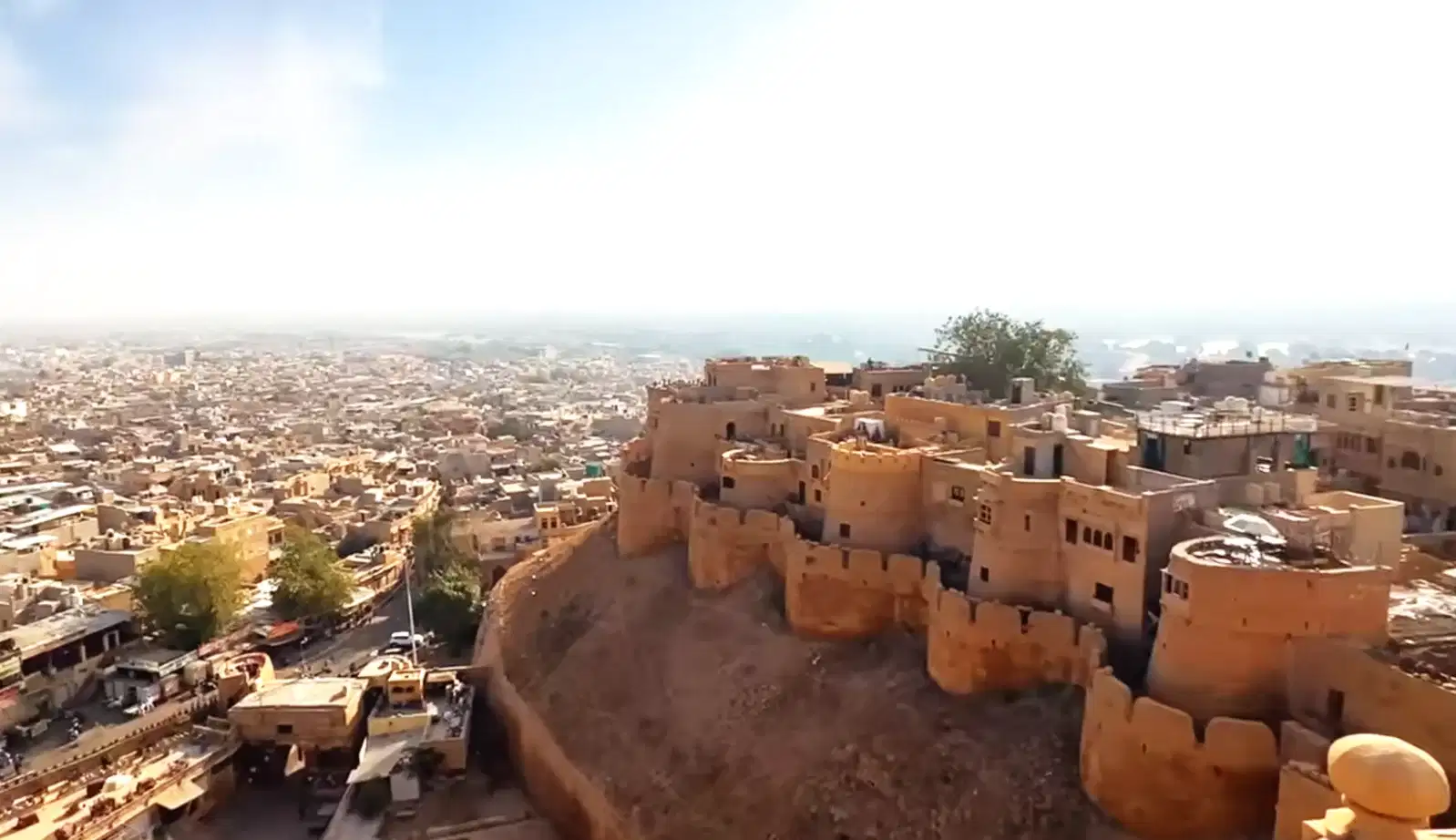
Jaisalmer Fort rising above the Golden City in Rajasthan.
Need a cab in Jaisalmer?
November to March is generally the most comfortable period for city walks and desert excursions. Summer heat can be extreme, while monsoon weather and road conditions vary.
November–March
Comfortable sightseeing weather; desert evenings can be cold.
April–June
Very hot conditions; avoid exposed midday excursions.
July–September
Lower visitor numbers, with variable heat, rain, and road conditions.
October
Temperatures begin easing, but afternoons can remain hot.
Jaisalmer Fort is an inhabited 12th-century citadel on Trikuta Hill and one of the six Hill Forts of Rajasthan inscribed by UNESCO in 2013. Its yellow-sandstone walls enclose homes, shops, guesthouses, shrines, palace areas, and narrow lanes that still function as part of the modern city.
Enter through the successive gates and explore at an unhurried pace. The fort is not a single ticketed attraction: palace-museum areas and the Jain temples keep separate schedules and entry rules. Respect residents, avoid blocking lanes, and use water carefully because drainage, crowding, and building conservation remain sensitive concerns within this living heritage site. The climb and uneven paving can also take longer than the short map distance suggests, particularly in midday heat, so plan pauses rather than rushing uphill.
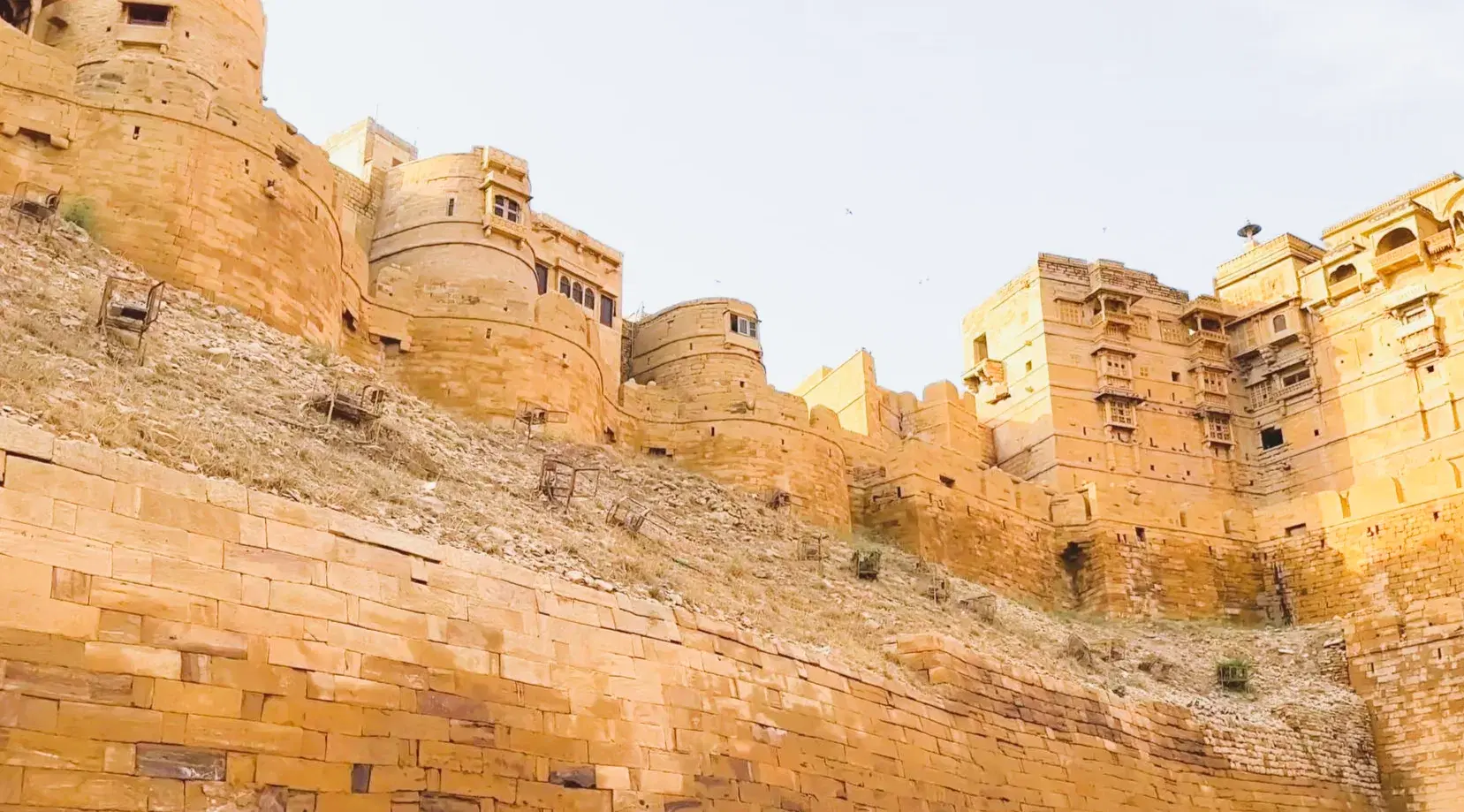
Wear shoes with reliable grip and modest clothing for temples. Ask before photographing residents or worshippers.
Sam Sand Dunes, about 40 km from Jaisalmer, is the region's best-known visitor area for open dunes, camel rides, jeep excursions, sunset views, and overnight camps. The dunes are a natural landscape, while safaris, performances, meals, and accommodation are commercial services supplied by separate operators.
Arrive in the late afternoon if sunset is the priority, but leave enough time for traffic and for choosing an operator without pressure. Ask about ride duration, route, total price, insurance, and animal-welfare practices before paying. Camps vary widely in location and standards, so recent reviews and clearly stated inclusions matter more than labels such as luxury or authentic. Travelers seeking a quieter landscape should compare Sam with other dune areas before committing to a package.

Carry water, sun protection, a scarf, and a warm layer in winter. Avoid littering and climbing fragile dune faces unnecessarily.
Gadisar Lake is a historic artificial reservoir just outside Jaisalmer's old city. It once played an important role in local water supply and is now known for Tilon-ki-Pol gateway, sandstone ghats, temples, pavilions, reflections, and seasonal birdlife around the water.
Early morning usually brings softer light and a quieter shoreline, while sunset attracts more visitors. Local operators offer boating, but hours and availability can change with weather, season, and water conditions. Walk around the accessible ghats before choosing a ride, keep temple approaches clear, and avoid feeding birds or dropping offerings and plastic into the lake. Allow additional time if you want to photograph the gateway, pavilions, seasonal birds, and fort reflections from different points around the shore.
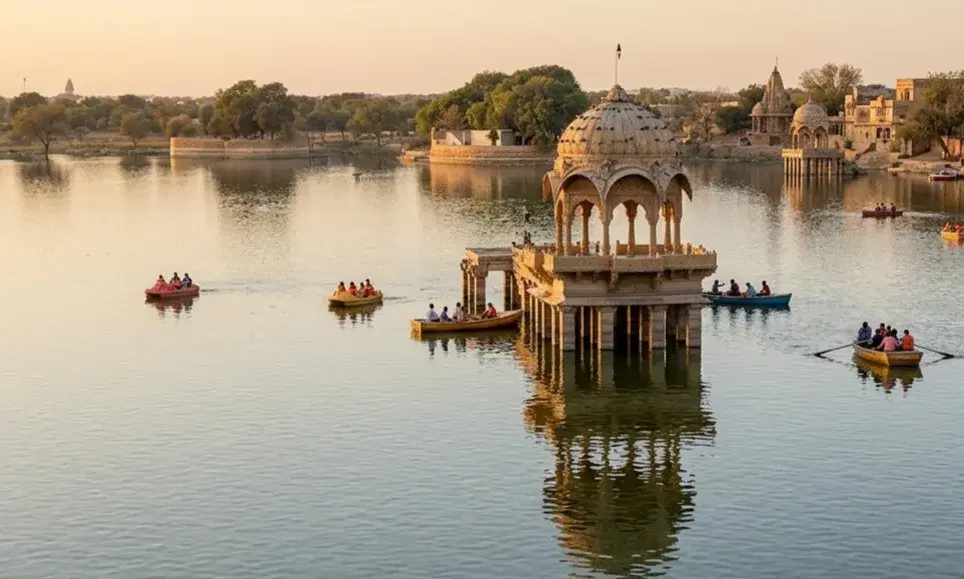
Use care on uneven or wet steps, supervise children near the water, and dress modestly near active shrines.
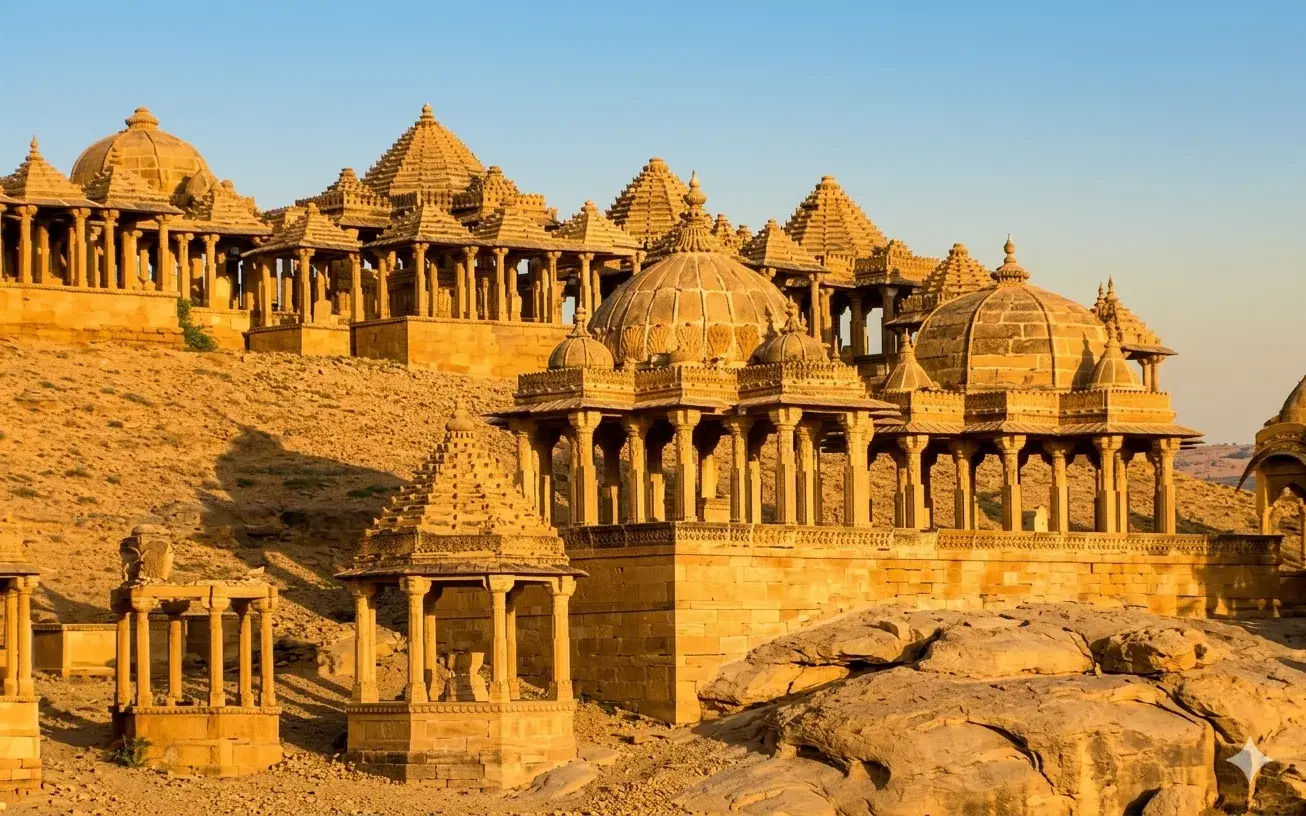
Bada Bagh is a garden and royal cenotaph complex around 6 km from Jaisalmer. Its yellow-sandstone chhatris commemorate rulers of the former Jaisalmer state and form a striking architectural group against the dry landscape and open western sky.
The site is most rewarding when low morning or evening light defines the carved pillars and domes. Rajasthan Tourism highlights its cenotaphs and sunset setting, while Incredible India currently lists hours of 8 AM to 6 PM. Treat it as a heritage and memorial landscape: do not climb on fragile structures, keep voices low, and carry water because shade and facilities are limited. The garden, dam, and cenotaph group deserve a slower architectural look than a brief roadside photo stop.
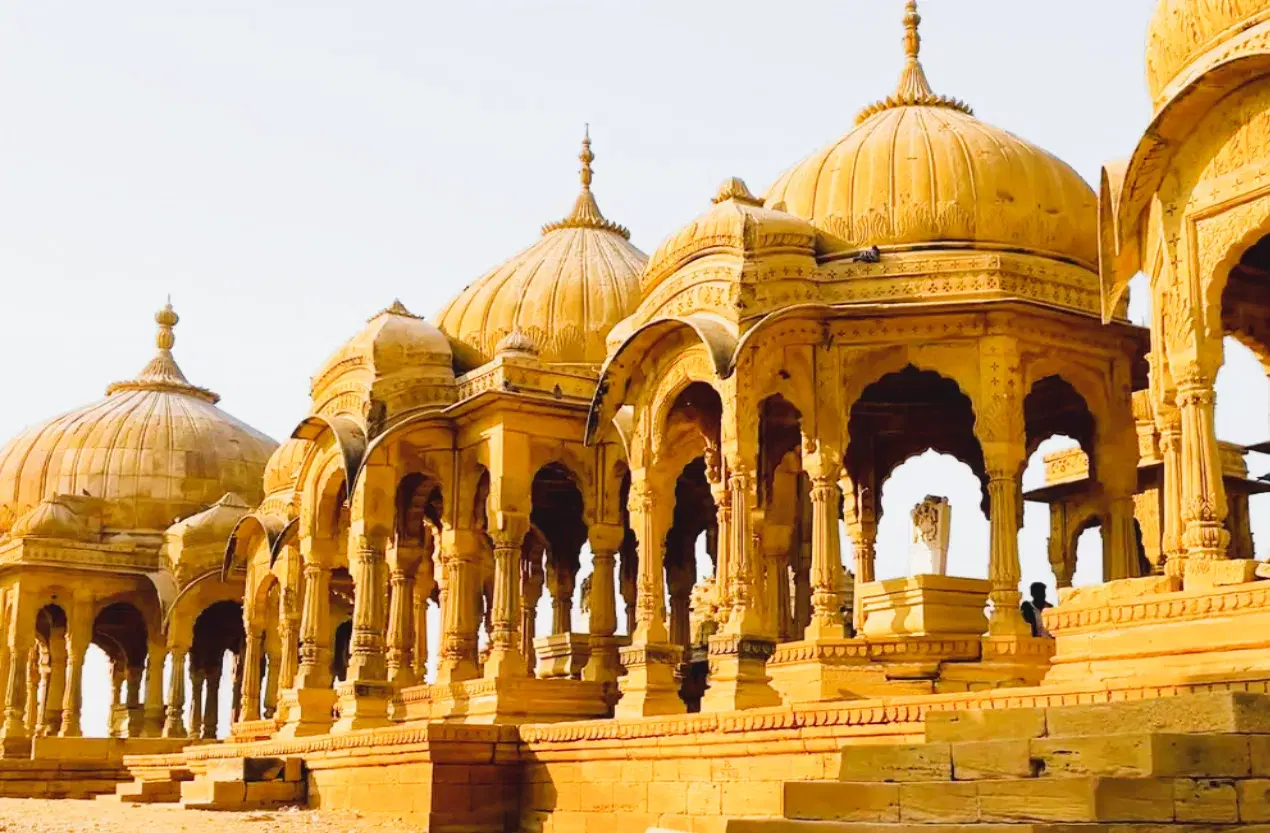
Wear covered shoes on sandy, uneven ground and never climb or sit on fragile cenotaph elements.
The seven Jain temples inside Jaisalmer Fort were developed between the 12th and 15th centuries and are distinguished by dense yellow-sandstone carving. The interconnected complex includes shrines dedicated to Parshvanath, Sambhavanath, Adinath, Shantinath, Shitalnath, Chandraprabhu, and Simandhar Swami.
These are active places of worship rather than only architectural exhibits. Visit early, move quietly through narrow passages, and follow instructions concerning photography, leather items, food, and footwear. Incredible India currently publishes public visiting hours of 8 AM to noon; religious observances and festival days can alter access, so confirm the schedule locally before arrival. Allow enough time to examine the carvings without delaying worshippers in the compact corridors and shrine entrances, and let temple staff guide the order in which visitors move through interconnected spaces.
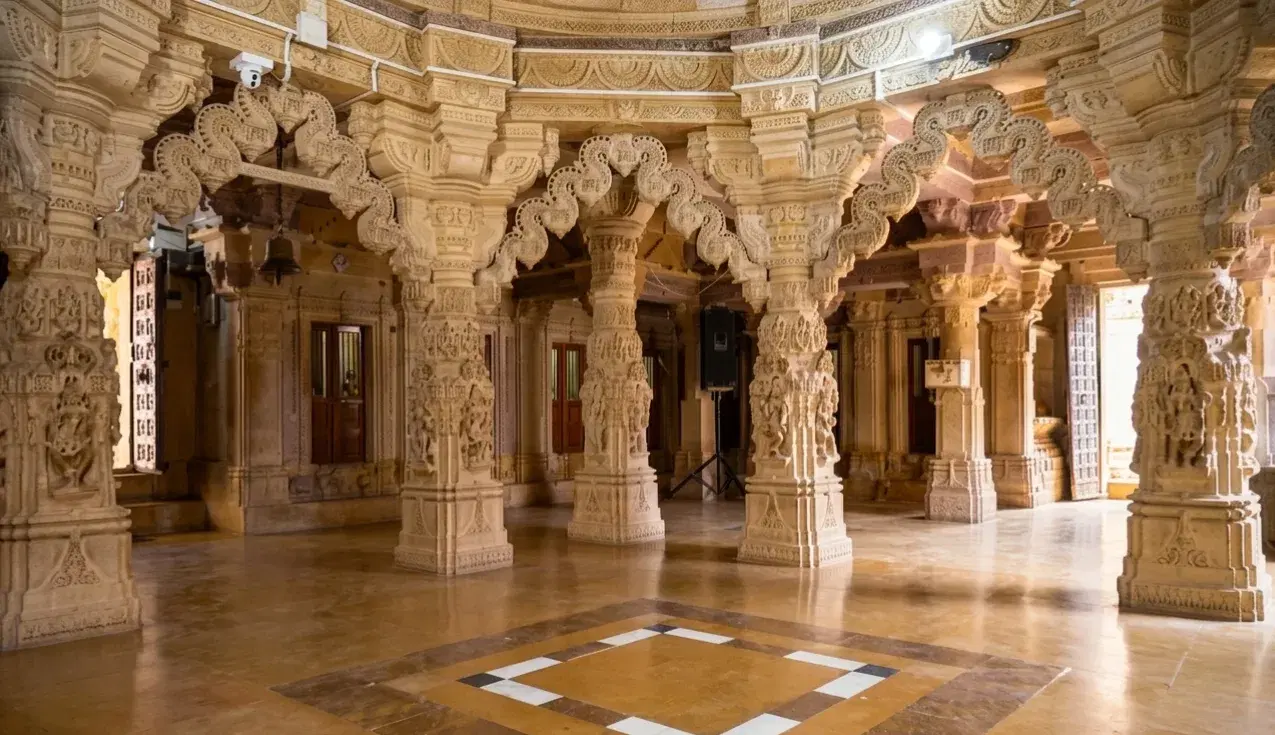
Wear modest clothing, remove footwear where directed, and do not interrupt worship or ritual movement.
Desert National Park protects more than 3,000 sq km of Thar Desert habitat across Jaisalmer and Barmer districts. Dunes, rocky outcrops, compacted salt-lake beds, and scrub support chinkara, desert fox, reptiles, migratory raptors, and the critically endangered Great Indian Bustard.
Treat a visit as a guided wildlife excursion, not a guaranteed sighting tour. Entry points and safari routes cover a large landscape, so journey lengths vary by selected gate. Incredible India currently lists general hours of 10 AM to 5 PM. Confirm permits, guide or vehicle requirements, seasonal closures, and the exact meeting point with the Forest Department or a registered operator. Quiet observation with binoculars is more appropriate than pursuing birds or asking drivers to approach wildlife closely.
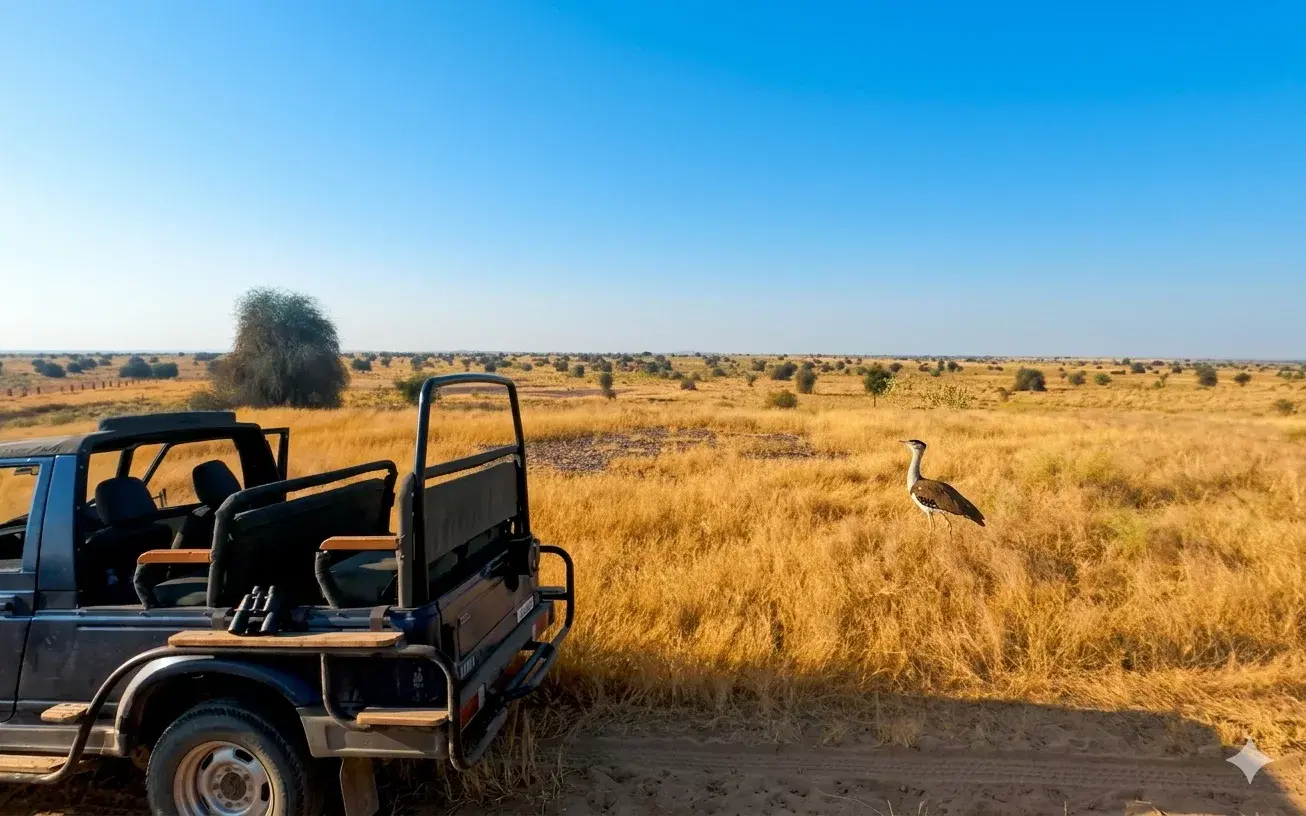
Carry binoculars, water, sun protection, and neutral clothing. Keep distance from wildlife and never leave the approved route.
Akal Wood Fossil Park is a 21-hectare geological site about 17 km from Jaisalmer. It preserves fossil wood and other Jurassic-period remains dating to roughly 180 million years ago, when the region's environment differed dramatically from today's arid Thar landscape.
Follow marked paths to examine exposed fossil trunks and interpretation displays, but do not touch, climb on, or remove geological material. The park is better suited to geology and natural-history interest than wildlife viewing. Incredible India currently lists hours of 9 AM to 5 PM. Midday heat can be intense, so an early visit, drinking water, covered footwear, and sun protection help. Reading the interpretation first makes the exposed specimens easier to understand and turns a short stop into a meaningful geological visit.
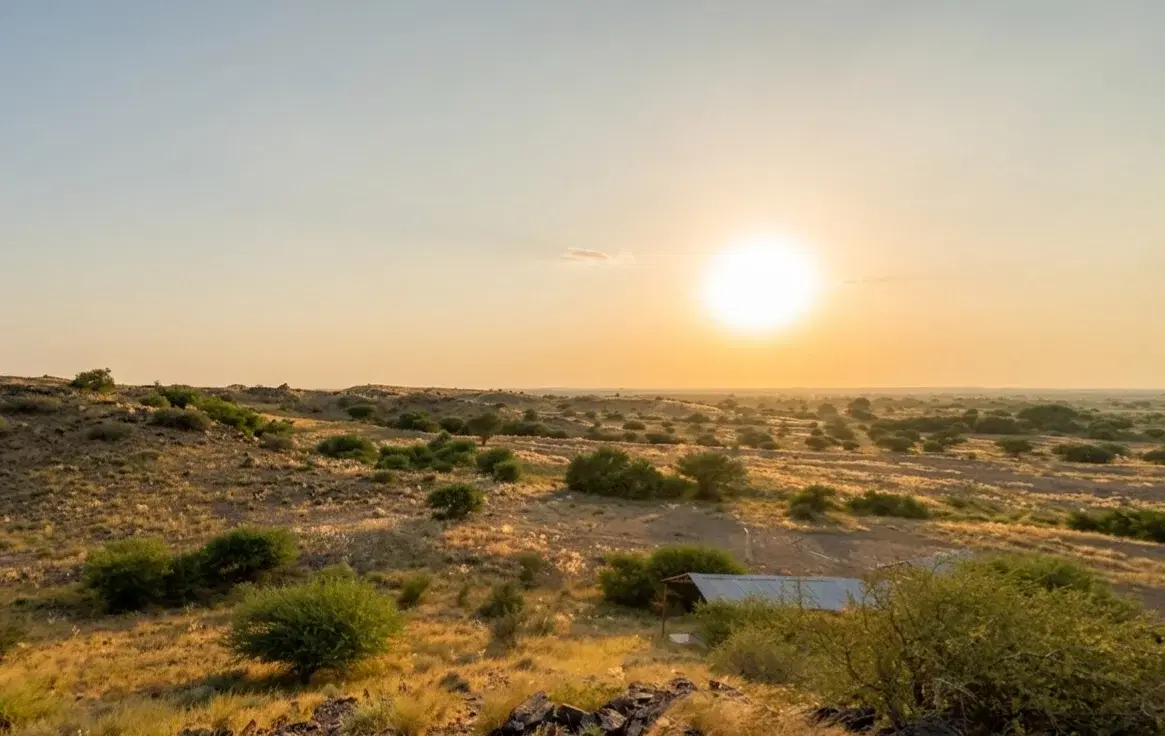
Stay on marked paths and never collect fossil fragments. Carry water because shade and refreshments may be limited.
Patwon Ki Haveli is a cluster of five 19th-century merchant mansions commissioned by the Patwa family. Its yellow-sandstone facade, jharokhas, carved screens, paintings, and mirror work make it one of Jaisalmer's most detailed secular buildings, with museum rooms presenting aspects of merchant life.
Nathmal Ki Haveli is a separate, partly inhabited residence traditionally associated with two architect brothers who worked from opposite sides. The two halves are related but not perfectly identical, which is part of the building's interest. Access differs between the properties: Patwon includes museum spaces, while Nathmal may provide limited visitor areas. Confirm tickets and photography rules at each entrance. Comparing both facades also prevents the common mistake of describing the two havelis as one monument or one museum.
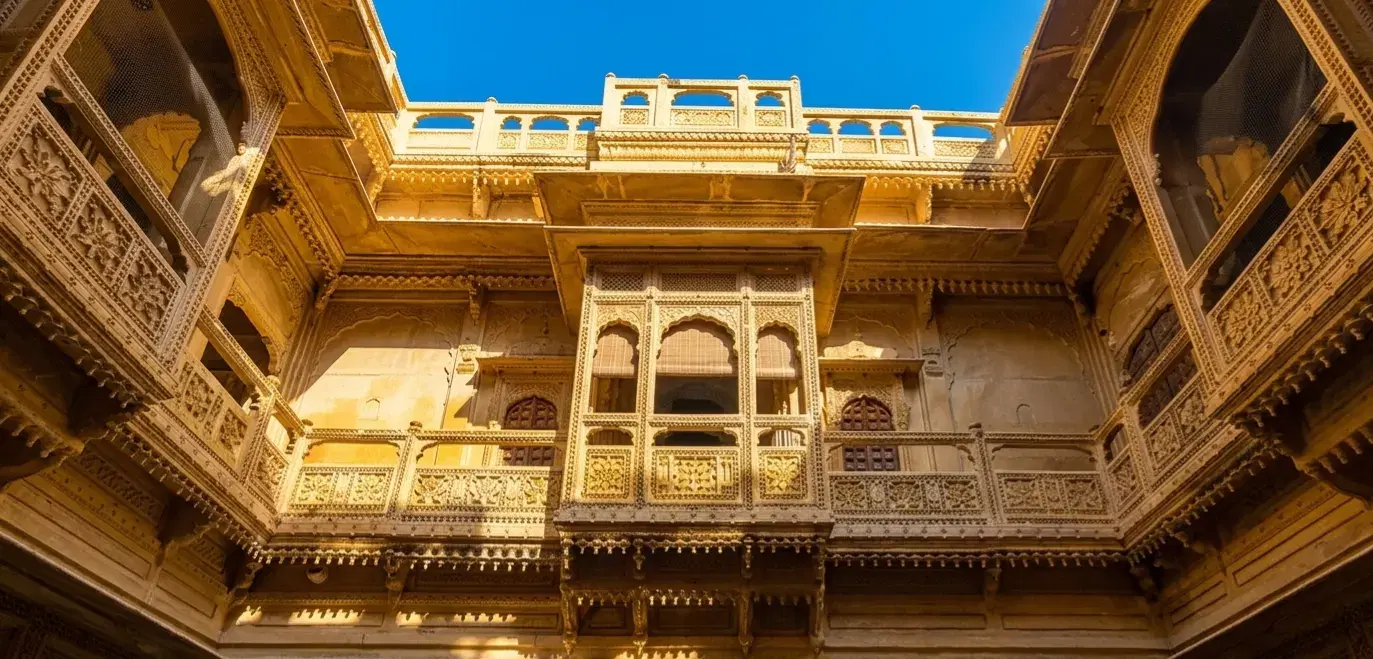
Expect narrow stairs and passages. Ask before photographing interiors or occupied parts of Nathmal Ki Haveli.
Jaisalmer War Museum, on the road east of the city, presents Indian Army history through vehicles, weapons, photographs, memorial displays, and audiovisual material. It is a separate attraction from Longewala War Memorial, which stands roughly 120 km from Jaisalmer at the site associated with the 1971 battle.
Do not plan the city museum, Tanot, Longewala, and the international border as one nearby complex. A Tanot-Longewala circuit requires a long road day, planning for fuel and water, and checks on current security restrictions. Incredible India lists Longewala from 8 AM to 6 PM and places Tanot about 40 km away. Access nearer the international border may require prior permission and identification. Photography rules can change without notice, so military signs and on-site instructions always take precedence over travel blogs.
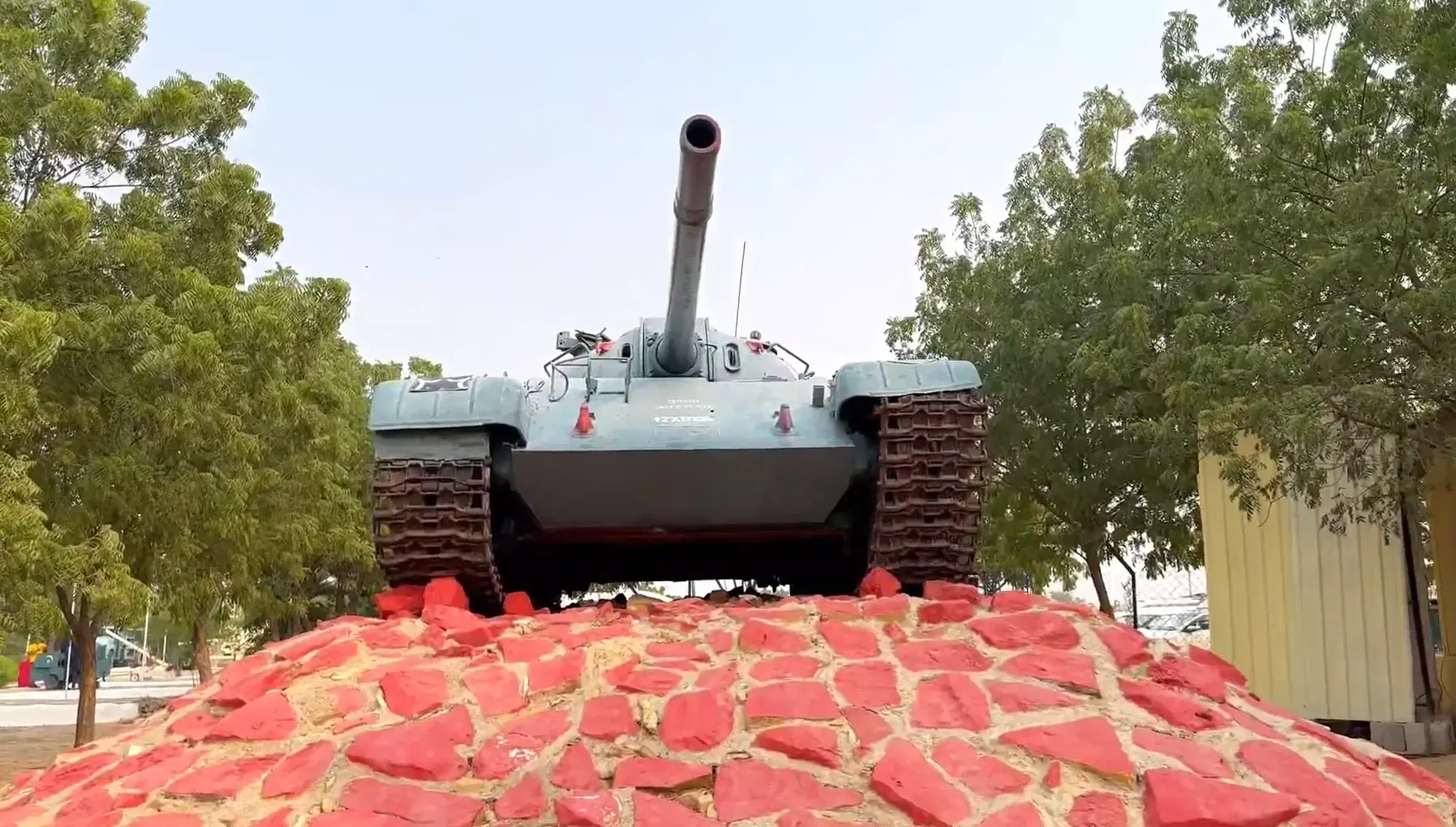
Carry identification, water, fuel, and offline directions. Follow every military sign and photography restriction.
Sadar Bazaar and the lanes around Jaisalmer Fort are useful places to compare textiles, embroidery, puppets, jewelry, leatherwork, paintings, spices, and everyday household goods. The experience is spread across active streets and individual businesses rather than one enclosed market with a controlled entrance.
Opening times vary by shop, season, festival, and family schedule, so fixed market-wide hours should not be treated as official. Browse several sellers before buying, ask whether materials and stones are natural or synthetic, and request a receipt for costly items. Bargaining is common in some shops but should remain polite. Avoid products that may involve protected wildlife materials or unclear export restrictions. A slower walk also reveals everyday grocery, utensil, and clothing shops beyond the souvenir-focused storefronts.
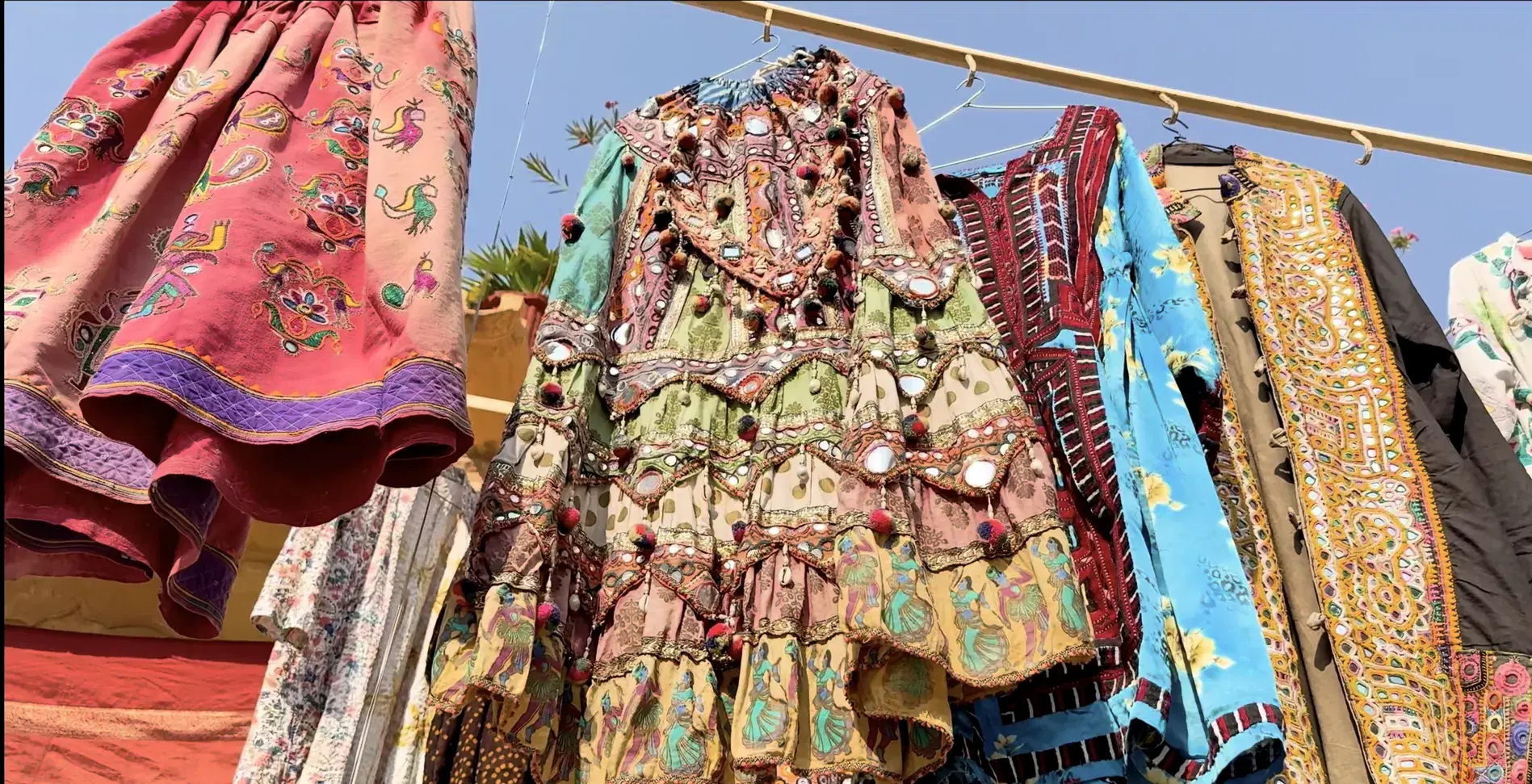
Watch valuables in crowded lanes and keep passages clear. Do not assume every shop follows the same hours.
Kuldhara is an abandoned Paliwal settlement about 17–18 km west of Jaisalmer and a protected monument under Rajasthan's archaeology department. The surviving temple, streets, house foundations, and water-management remains provide evidence of a once-established desert community rather than merely a haunted attraction.
Rajasthan Tourism recounts the popular story that residents left in 1825 to escape minister Salim Singh and placed a curse on the village, but this should be presented as local legend rather than settled historical fact. Walk only through open visitor areas, do not climb unstable walls, and allow time to read the site as an archaeological landscape. Confirm current ticket-counter hours locally. Early or late daylight also makes the settlement's street plan and construction details easier to see without harsh heat.
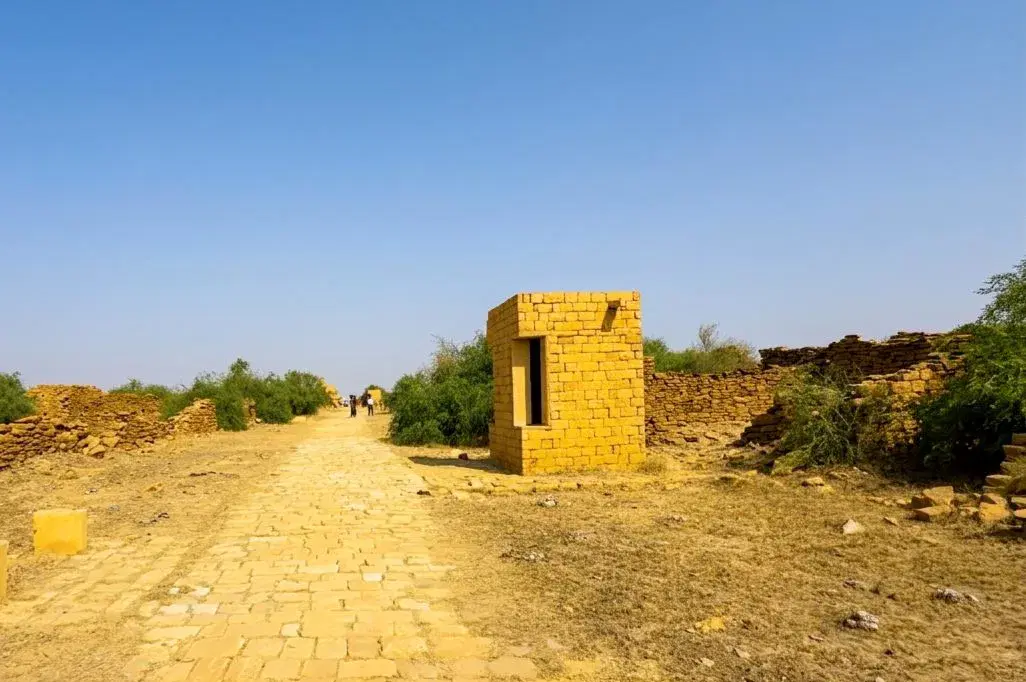
Wear closed shoes, stay away from unstable masonry, carry water, and take all litter back with you.
Lodrava, around 15 km from Jaisalmer, was the Bhati rulers' capital before Rawal Jaisal established the newer city. Its Jain temple is dedicated to Parshvanath and is known for a carved torana, detailed stonework, and the reconstructed form visitors see today after earlier destruction and rebuilding.
Visit as an active religious site, not simply a photography stop. Dress modestly, remove footwear and leather articles where instructed, and ask before photographing worship or interior spaces. Reliable official sources confirm Lodrava's location and religious significance but do not provide one stable year-round public schedule, so verify current opening hours with the temple or local tourism office before making a special journey. The surrounding former-capital landscape adds context that a quick doorway photograph would otherwise miss.
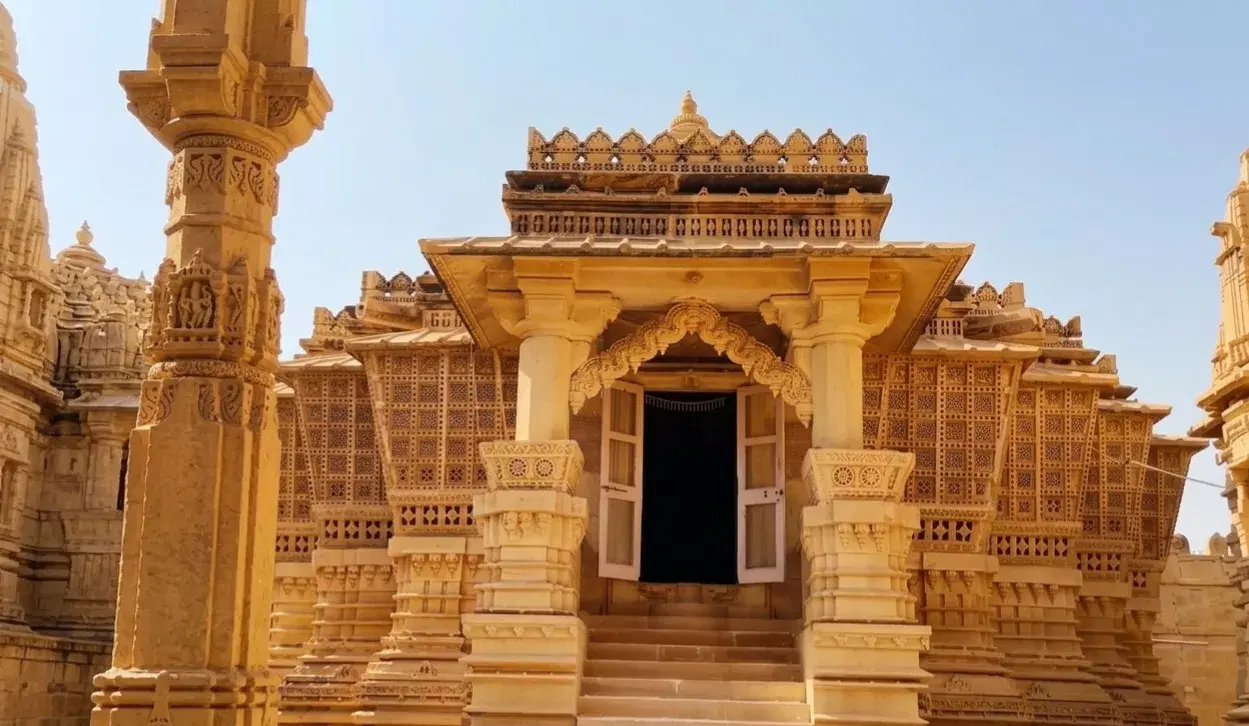
Wear modest clothing and easy-to-remove footwear. Follow all temple rules concerning leather, food, and photography.
Vyas Chhatri is a yellow-sandstone cenotaph complex on a raised site overlooking Jaisalmer. Its domed pavilions, carved pillars, memorial character, and views towards the fort and city make it a popular late-afternoon stop rather than a long standalone excursion.
Incredible India connects the site with Sage Vyasa and currently lists visitor hours from 8 AM to 7:30 PM. Arrive well before sunset so ticketing and access don't conflict with the best light, and confirm the same-day closing time locally. The cenotaphs are heritage structures: use established paths, avoid climbing or leaning on carved elements, and keep the memorial setting calm. Stay a few minutes after the greatest light changes to appreciate the city panorama without rushing between monuments.
Use covered footwear on uneven ground and do not climb the cenotaphs for photographs.
Allow 45–60 min
An 18th-century haveli known for carved brackets and a distinctive upper facade.
About 120 km from Jaisalmer
A border-region temple commonly combined with Longewala on a full-day road trip.
About 7 km from Jaisalmer
A palace, lake, and Jain temple complex west of the city.
Long desert excursion
A separate dune and village area; compare routes and operators before choosing Sam or Khuri.
A traditional desert preparation made from local dried berries and beans.
A classic Rajasthani combination of lentils, baked wheat dumplings, and sweetened crumbs.
Gram-flour dumplings served in a spiced yogurt-based gravy.
Look for kachori, mirchi bhajiya, and established sweet shops in the city.
Day 1
Day 2
Day 3 (optional)
Jaisalmer is best explored as a collection of distinct heritage, desert, wildlife, and geological circuits rather than a checklist of supposedly nearby stops.
Use the verified timings and distances as planning estimates, then confirm current access locally before every long desert or border-region journey.
Check these official resources for destination information and current notices. Confirm opening times, entry charges and access requirements before travelling.
Found something outdated? Send Traviya a correction.