 7 days · 6 nights
Glimpse of Bhutan
Check current priceon Thrillophilia
Plan a Phobjikha stay around Gangtey Goenpa, valley walks and seasonal black-necked cranes, with practical advice on guides, transfers, accommodation and a flexible two-night itinerary.
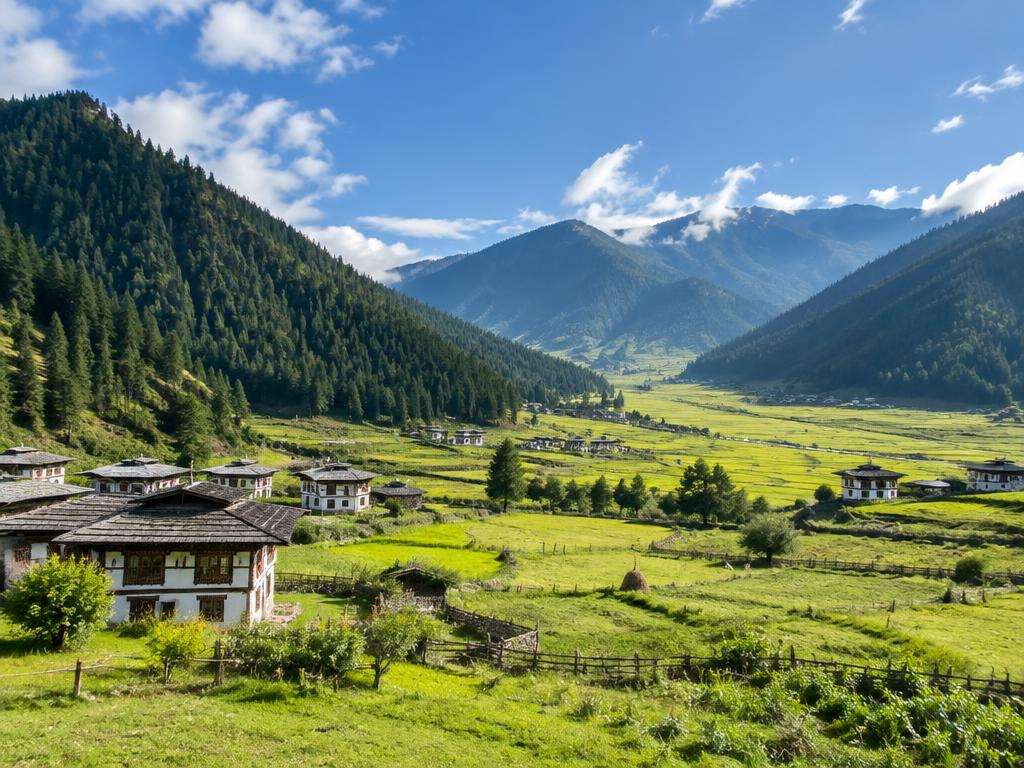
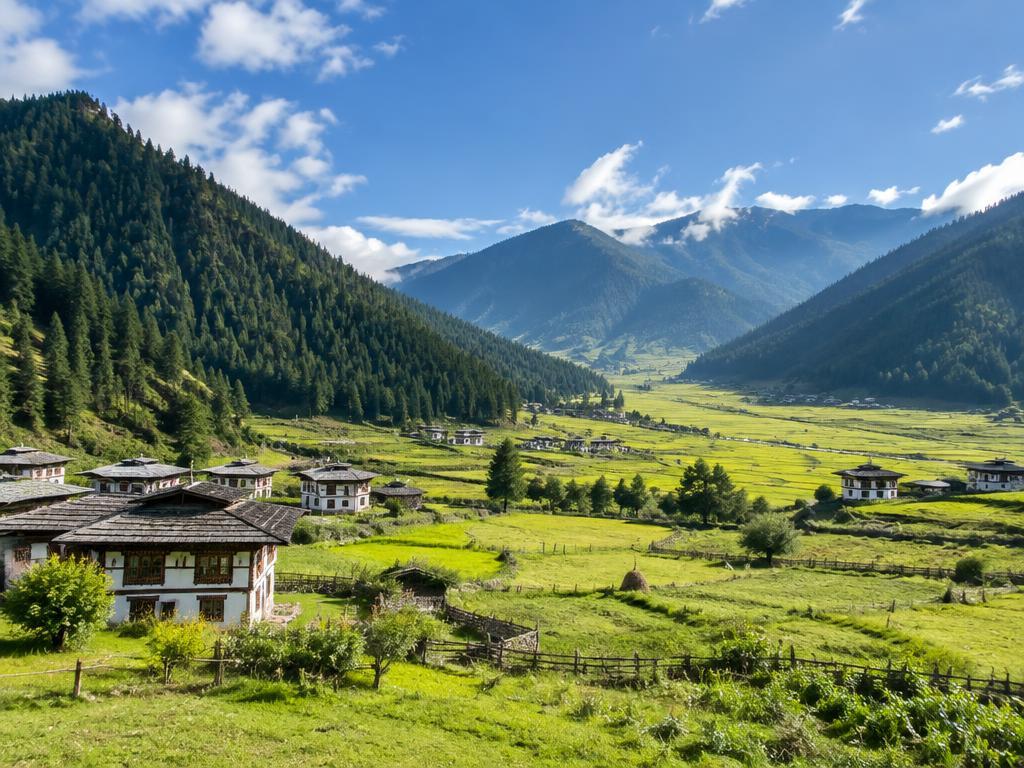
Phobjikha rewards travellers who leave room in their Bhutan itinerary for a monastery visit, an unhurried valley walk and, in winter, the possibility of seeing wild black-necked cranes. The main experiences are Gangtey Goenpa, the Gangtey Nature Trail and the crane education centre, with the surrounding landscape connecting them.
For a first visit, consider two nights: an arrival afternoon, one full valley day and a departure morning. This is an editorial planning suggestion, not an official minimum. One night can work with fewer stops; a day trip from Punakha means a substantial return drive and less flexibility for walking, weather or wildlife observation.
Phobjikha is the wider glacial wetland valley in Bhutan’s Wangdue Phodrang district, at approximately 3,000 metres above sea level. Gangtey is the settlement associated with the ridge above it, while Gangtey Goenpa is the monastery; “goenpa” means monastery. Accommodation and tour descriptions sometimes use Gangtey and Phobjikha loosely, so check the actual property location and meeting point. ICIMOD’s valley description provides geographic context.
Indian nationals use an entry permit for tourist travel. Travellers using ordinary US passports or ordinary passports from European countries need visa approval before departure. Nationality and document category determine the process, rather than residence or departure airport. Start with Bhutan Tourism’s visa and permit information; the local draft Bhutan entry requirements guide explains documents and arrival planning in more detail.
Arrange a Department of Tourism-certified guide for your Phobjikha visit, following current official guidance. Holders of tourist visas or permits are exempt from the general route-permit requirement under rule 113 of the 2023 Immigration Rules, hosted by UNHCR Refworld. Guide obligations, restricted-area controls and the conditions of your issued permission still apply. Confirm your intended route with your provider.
Book approved accommodation, including a certified village homestay if that is your preference. A farmhouse description alone does not establish approval. Tourism’s 22 October 2026 accommodation reminder explicitly includes village homestays.
Rates checked on 22 October 2026 put the full Sustainable Development Fee, or SDF, at Nu./INR1,200 per person per night for Indian nationals and US$100 for ordinary US and European-country tourists in the dollar-paying category. Nu. means Bhutanese ngultrum; INR means Indian rupees. Children have age-based concessions. The dollar-rate incentive runs through 31 August 2027; that date does not establish an expiry date for the Indian rate. See the official SDF guidance and incentive announcement.
Budget separately for accommodation, meals, guides, vehicles, local admissions and activities. Check whether a quotation already includes SDF before adding it again. The local draft Bhutan SDF and travel costs guide covers the wider budget. Border-town-only concessions do not make an onward Phobjikha holiday exempt.
Wild black-necked cranes winter in Phobjikha broadly from late October into March. Arrival and departure vary, and being within that window does not guarantee a sighting. The Royal Society for Protection of Nature’s crane information explains the seasonal migration and the importance of the valley’s habitat. Ask about current observations before making crane viewing the deciding factor in your travel dates.
Winter mornings and evenings can be very cold. Pack warm layers, gloves and a hat, and check heating arrangements before booking. Keep road journeys flexible rather than building the visit around a tightly timed connection. Gangtey Lodge’s local guidance describes the cold conditions; check facilities separately with your chosen accommodation.
The valley landscape, monastery and short walks provide reasons to visit outside crane season. Choose these months if those experiences are enough to justify the detour for you. Confirm trail and road conditions close to travel, and keep a shorter outing available if rain or visibility changes your plans.
Bhutan Tourism’s tentative 2026 festival calendar, updated in April 2025, lists the Black-necked Crane Festival at Gangtey Gonpa for 11 November 2026. The date remains tentative, with no final-calendar confirmation established for this guide. Reconfirm the date, programme and visitor access before making festival-dependent bookings.
The crane festival is separate from Gangtey Tshechu, the religious festival listed for 24–26 September in the same tentative calendar.
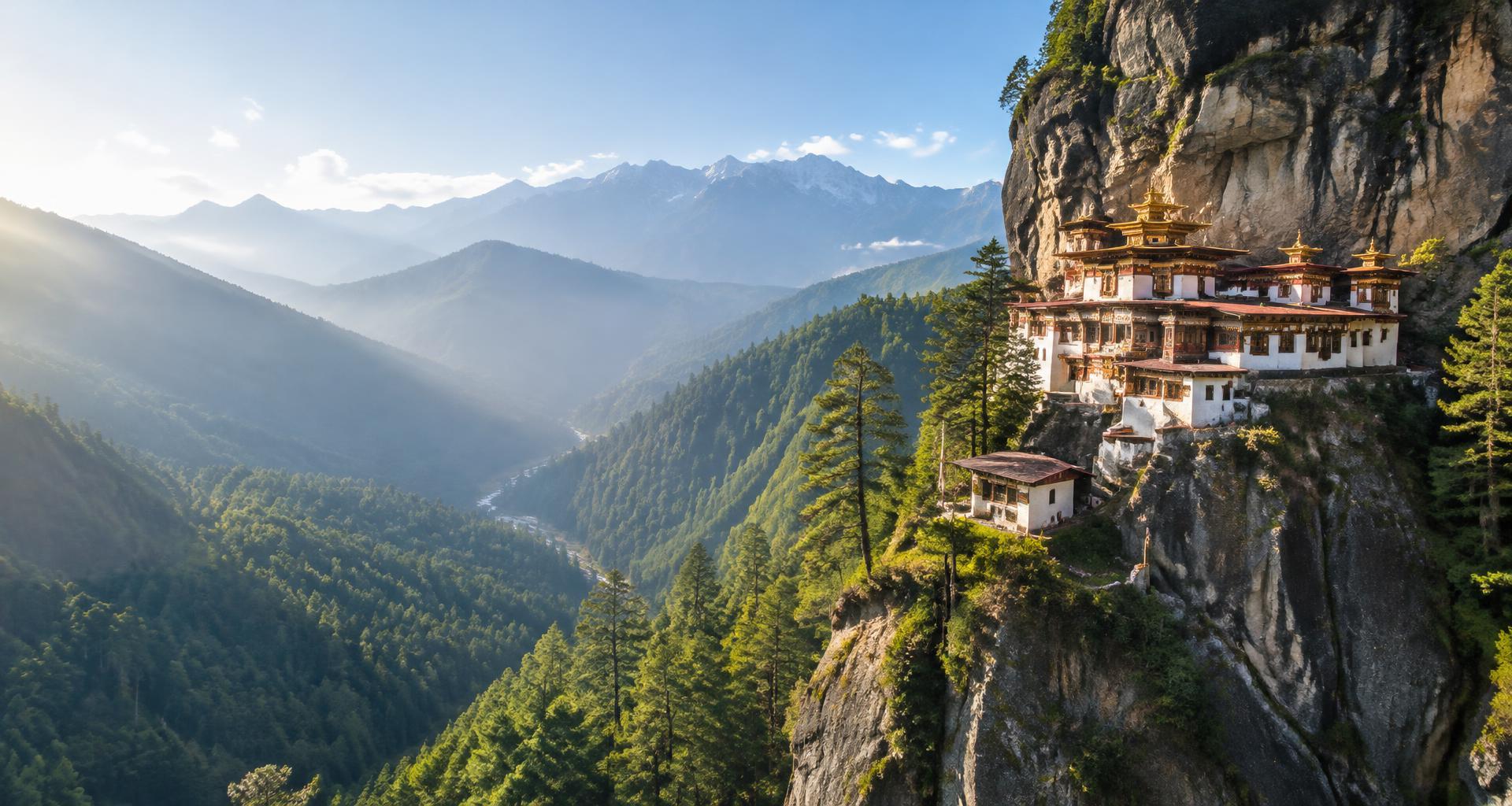
Gangtey Goenpa gives a useful introduction to the settlement above the valley and pairs naturally with a walk nearby. Begin with the monastery visit, then decide whether to continue towards the nature trail or keep the outing short. Leave this stop flexible on arrival day, particularly after a long transfer.
Ask your guide about the areas open to visitors, current admission and photography rules. Dress respectfully, follow instructions about removing shoes and allow worshippers space. Confirm opening hours and admission for your intended visit; no current schedule or amount is established here.
The short Gangtey Nature Trail, also called the Gangtey Nature Hike, connects the monastery area with forest and valley scenery. It is different from the multi-day Gangtey Trek. Check the route name when booking, particularly if you want a short walk rather than a trekking itinerary.
Published durations differ: Bhutan Tourism lists a one-hour hike, while Druk Asia describes approximately four kilometres and two hours, mostly downhill, towards the valley around Khewa Lhakhang. The descriptions do not establish identical start points, stops or walking pace. About two hours is a useful editorial allowance for an unhurried outing, subject to your guide confirming the actual route.
Expect descent and sections of uneven ground. Downhill walking still needs balance, and the elevation adds to the effort. Confirm the finish point and vehicle collection before setting off. For a gentler alternative, arrange a vehicle-supported monastery and valley visit with a short walk on a locally checked section. Discuss surfaces, steps and your own walking needs rather than relying on a general accessibility label.
The black-necked crane education centre adds conservation context to the landscape, including why the wetlands matter to wintering birds. It can be worthwhile even when wild cranes are absent, provided current opening arrangements suit your visit. RSPN’s visitor-centre information describes its interpretation role, but its tariff dates from 2015. Ask for the current admission charge before visiting.
During crane season, ask your guide where quiet observation is appropriate that day. Use designated paths and viewpoints, avoid entering wetland habitat and never approach birds to improve a photograph. Binoculars allow observation without moving closer. Plan the centre visit for its conservation displays, with wild-bird viewing dependent on current sightings and conditions.
Phobjikha can be included in a western Bhutan journey through Punakha or Thimphu. One operator publishes approximately three hours from Punakha to Gangtey and 5.5–6 hours from Thimphu to Phobjikha. Treat these as planning estimates, not current road reports, and reconfirm endpoints, stops, weather and access with your provider.
Arrange a vehicle and driver for transfers between your accommodation and selected visits, with guided walking where appropriate. Agree on trail drop-off and collection points beforehand. A shorter vehicle-supported outing is an alternative to completing the nature trail; confirm the actual walking required at each stop.
Arrive at Paro International Airport and continue to Phobjikha by road. Arrange the onward transfer with your accommodation or tourism provider, allowing for flight timing, stops and current road conditions. Obtain an estimate for your exact destination rather than assuming every valley property has the same transfer time.
The road estimates come from Bhutan International Treks’ distance table. Use them to assess the size of a travel day, then obtain a route-specific estimate and road update. Leave a buffer before any onward flight or border connection.
If entering through Phuentsholing, coordinate guide registration separately from tourist entry permission. The Tourism notification dated 11 September 2026, linked from the official announcements page, changes pre-arranged guide registration to 48 hours before tourists’ travel date. The walk-in registration link opens at 6 p.m. for the following day’s engagement.
These timings concern guide registration at Phuentsholing. Confirm permit processing, border hours and guide availability separately. The notice refers to a separate detailed guideline whose full procedures were not established here, so have your provider confirm your individual arrival arrangements. Do not extend these timings to other crossings.
Choose between an approved hotel and a certified village homestay according to the experience and facilities you need. Before paying, ask about room heating, hot-water availability, private or shared bathrooms, steps between the vehicle and room, and access after dark. Confirm which meals are included and whether your arrival time affects dinner arrangements. Certification alone does not establish particular room amenities.
Discuss dietary needs with the host in advance and ask what can be prepared during your stay. Confirm meal inclusions and dining options around your transfers and walks so that the day’s arrangements fit together.
Gangtey has village craft-shopping opportunities described in local accommodation guidance. Keep shopping flexible rather than building a separate excursion around an assumed range of goods. Ask who made an item, confirm the price and check payment options before buying.
Compare the Bhutan country package selection for a wider journey, then ask which trips can include Phobjikha. The selection is country-wide; a listing alone does not establish a visit to the valley.
Before booking, obtain the provider’s actual route, number of nights in Phobjikha, guide and vehicle arrangements, admission inclusions, current price and availability. Ask how changes or omitted visits affect the quotation. Any fallback destination photographs are illustrative; confirm the property, room and activities included in the package directly with the provider.
Explore itineraries featuring Bhutan. Some cover multiple destinations; confirm the route, dates and inclusions with Thrillophilia. Some images illustrate the destination rather than a specific tour.
This two-night plan is an editorial suggestion for an arrival afternoon, one full valley day and a departure morning. It assumes pre-arranged transfers and guided visits; adjust the order for access, weather and your walking needs.
Day 1
Day 2
Day 3
For one night, choose fewer experiences and combine only those that fit comfortably between transfers; keep the nature trail optional. With additional time, an extra night can provide a weather buffer or a slower day rather than another compulsory excursion. Wildlife sightings, access and travel times remain subject to conditions.
BEFORE YOU GO
Find helpful answers and plan your next journey with confidence.
Phobjikha is the wider valley; Gangtey is the ridge settlement associated with it. Gangtey Goenpa is the monastery. Check exact accommodation and meeting locations because travel descriptions sometimes use the names loosely.
Two nights are a useful editorial suggestion for a relaxed arrival, a full valley day and departure. One night can work if you reduce the activities and keep walking optional.
The broad wintering window is late October into March. Migration timing and sightings vary, so check current local observations and avoid treating a seasonal visit as a guarantee.
Yes, if the monastery, valley landscape and short walks interest you. Plan around those experiences outside the migration window, with flexibility for weather and current access.
Tourism lists one hour; an operator describes approximately two hours for a four-kilometre route. The descriptions may differ in route and pace. Expect descent and uneven ground at high elevation, and discuss a shorter vehicle-supported alternative with your guide if needed.
A day trip needs careful planning: an operator estimates approximately three hours from Punakha to Gangtey. Obtain a separate return estimate and confirm current road conditions before choosing a small number of stops; an overnight stay offers more flexibility.
Arrange a Department of Tourism-certified guide. Tourist visa or permit holders are exempt from the general route-permit requirement, but guide obligations, restricted-area controls and the conditions of issued permission still apply.
SDF does not itself pay for local admissions or activities. Check the current charges and your provider’s inclusions separately; the crane centre’s published 2015 tariff is not a confirmed current price.
Phobjikha fits best into a journey that gives it some breathing space. Choose the season for what you most want to experience, match the walking to your needs and protect time between transfers. The monastery, landscape and conservation story can make a rewarding stay even when the cranes remain out of view.