 7 days · 6 nights
Glimpse of Bhutan
Check current priceon Thrillophilia
Plan Paro with Tiger’s Nest, the National Museum, Rinpung and Kyichu, plus a flexible itinerary, seasonal advice, entry requirements and SDF costs.
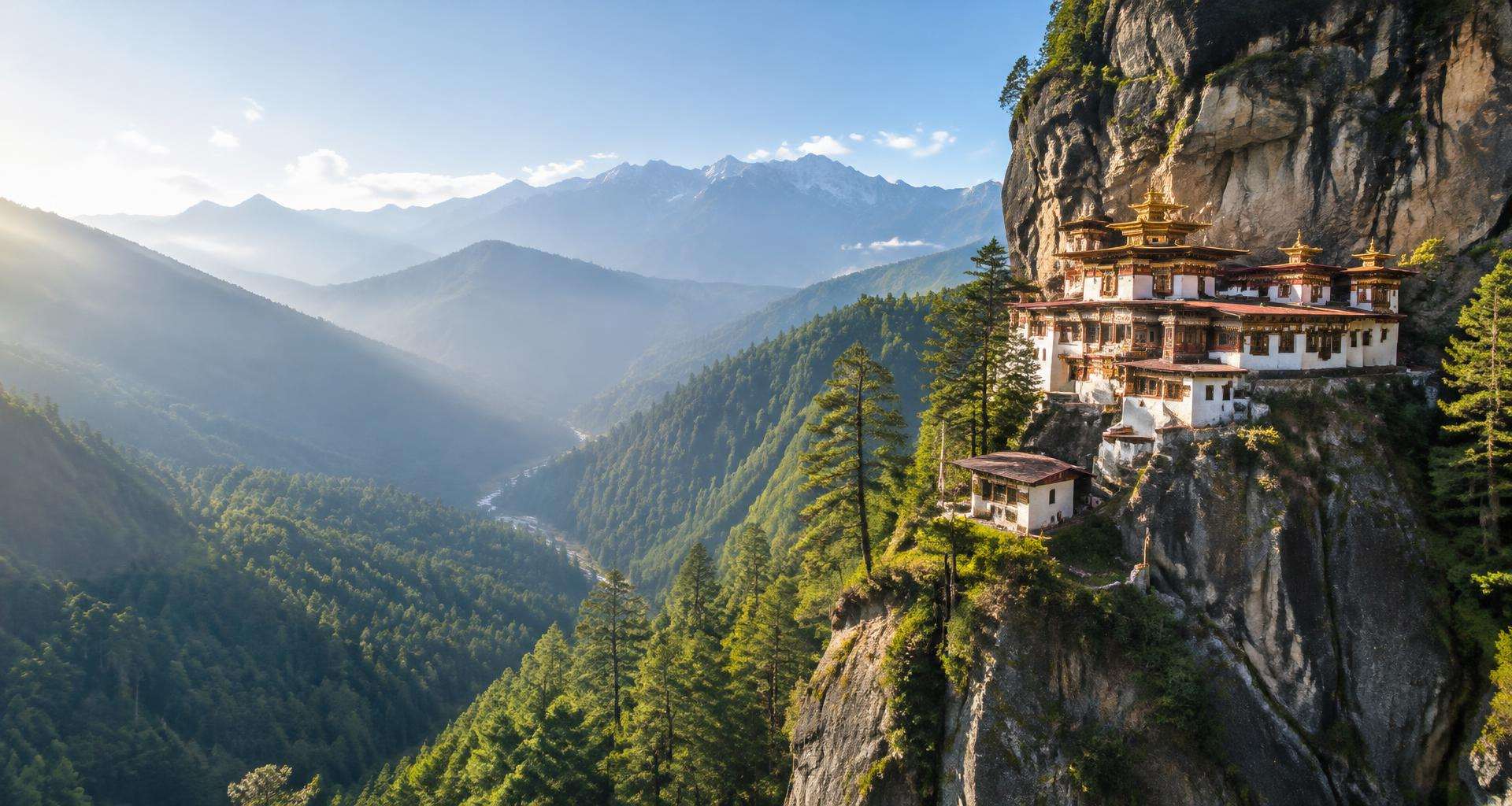
Paro brings together Bhutanese temple architecture, a museum overlooking the valley and the demanding walk to Taktsang, better known as Tiger’s Nest. For a first visit, pair the National Museum with Rinpung Dzong, leave time for Kyichu Lhakhang, and give Taktsang a separate day if hiking suits you.
Allow two full sightseeing days, with arrival and departure time additional. A third full day gives you room to rest or move the hike when conditions change. This is a suggested allocation for Paro alone; a wider Bhutan holiday needs additional time.
Planning information dated 21 October 2026. Entry arrangements and costs below distinguish Indian nationals from US and European ordinary-passport tourists. The itinerary stays within Paro; the tourist route-permit exemption and remaining access conditions are explained below.
Check the entry process for your nationality before booking Paro. Indian visitors use the permit process; ordinary US and European tourist passports generally require advance visa approval. Read the Bhutan entry requirements guide for documents, child-travel rules, passport validity and source qualifications.
Budget for Bhutan’s SDF separately from accommodation, meals, licensed guides, transport and attraction admission. See the Bhutan SDF and travel costs guide for nationality and age bands, the published discount period and an itemised quotation checklist. Keep Paro museum and monument tickets in your local sightseeing budget; the published admission benchmarks remain in the attraction section.
You can make bookings independently, but tour and sightseeing services must be provided through a tour operator registered with the Department of Tourism under rules 28–29 of its Tourism Rules and Regulations 2024. Confirm the responsible operator, guide and approved accommodation. Bhutan Tourism’s FAQ requires tourist guiding. The 2024 tourism rules and the Department’s 8 April 2026 notification preserve an exception until the first designated checkpoint; it is not a general Paro sightseeing exemption. Arrange a certified guide with a valid licence for your tours, monument visits and any transfer from Paro Airport to another district. A driver booking alone does not establish that a licensed guide has been arranged.
Stay in approved accommodation. The Indian consular checklist includes certified lodging, a guide and transport among independently organised travel arrangements.
When choosing accommodation, compare town access with a quieter valley setting. Ask about restaurant access, transfers and heating. Where mobility matters, request specific details about entrance steps, internal stairs and bathrooms. Accommodation and attraction accessibility have not been audited for this guide.
March–May is a useful spring/early-summer planning window, while October–November is a sensible autumn starting point for outdoor sightseeing. Clear views remain weather-dependent.
Bhutan Tourism’s weather guidance describes generally dry spring conditions into mid-April, followed by early-summer weather with occasional showers. Pack for changing conditions across the March–May window.
Summer and the monsoon period need more flexibility because rain can affect walking and transport. September can remain wet as the rainy season gives way to autumn. Winter, broadly December–February, brings colder mornings and evenings; pack layers and ask about heating when choosing accommodation. These are seasonal patterns, not forecasts for your dates.
If a festival is central to the trip, confirm its dates for the actual year before booking. No festival dates are included here because the relevant annual calendar was not inspected.
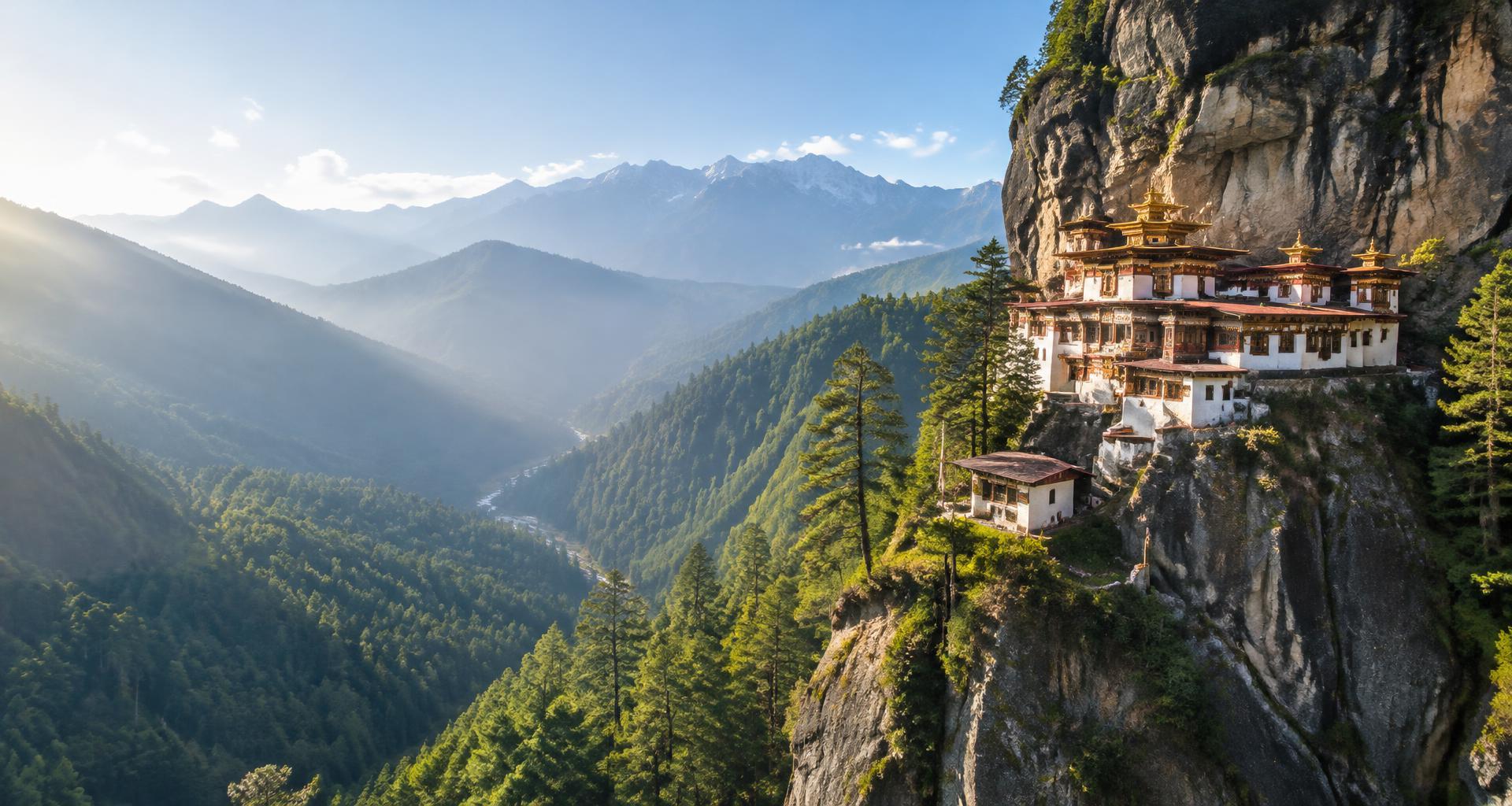
Taktsang’s cliffside monastery setting makes it a compelling reason to visit Paro, but reaching it requires a substantial walk. Keep it as the day’s main activity and choose the day according to confirmed access, weather and your walking comfort.
Bhutan Tourism’s official hiking guidance allocates five to six hours to the Paro Taktsang hike. Allow additional time for transfers and longer rests or pauses. Avoid scheduling it on arrival day or before a tightly timed flight departure.
Expect uphill effort and steps. Wear footwear with dependable grip, carry water and weather protection, and discuss the route with your certified guide before setting out. Wet surfaces and changing weather may affect whether you continue.
The published adult admission benchmark is Nu.1,000, from the official monument tariff effective 15 March 2023. This dated policy does not establish the price at the ticket counter for your visit. Admission is separate from the Sustainable Development Fee; request the applicable ticket price when booking.
Current trail and monastery opening were not confirmed for this guide. Obtain specific access confirmation before committing the day. Accessibility has not been assessed, so the route should not be assumed suitable for travellers with limited mobility.
If hiking is unsuitable, spread the cultural visits below over two days, with guided town browsing and relaxed meals between stops. Ask your guide to establish which approaches and interiors meet your mobility needs.
The National Museum occupies Ta Dzong, a former watchtower above Rinpung Dzong. Its cultural and natural-history collections provide context for the valley’s religious buildings, making it a useful first stop before visiting the dzong below. See the museum’s introduction.
Allow one to two hours as a planning estimate, depending on your interest and pace. The museum publishes 09:00–17:00 opening, with ticket sales ending at 16:00 and exceptions for government and local holidays. Published tourist admission is Nu.500. Check the museum’s visitor page for your intended date, and ask about internal steps where these affect your visit.
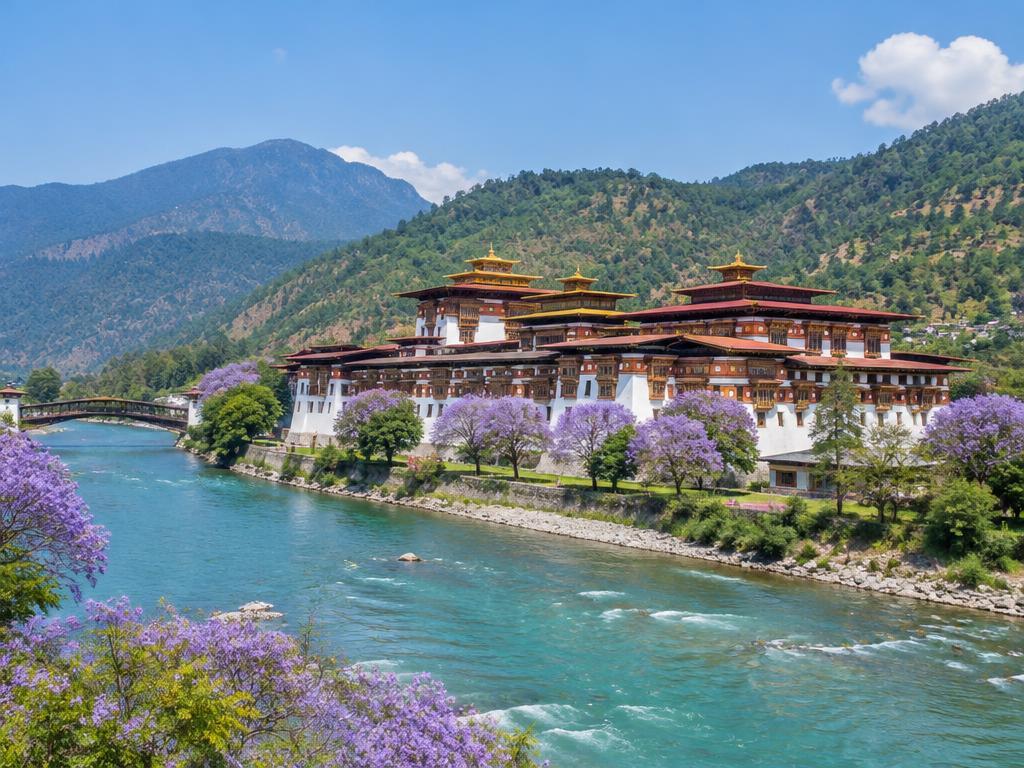
A dzong is a fortress-monastery. Rinpung’s substantial buildings and covered-bridge approach introduce this form of Bhutanese architecture. Visit with your guide to understand its religious and administrative functions, following directions about which areas visitors may enter. The National Museum’s history explains the relationship between Rinpung and the watchtower above it; this commercial destination description provides orientation to the bridge approach.
Pair Rinpung with the museum and allow 45–90 minutes as a planning estimate for the permitted visit and approach. Do not assume all interiors are accessible. Confirm opening and visitor access for your date.
The official tariff effective March 2023 lists Rinpung without an entry charge. Request confirmation of present admission arrangements before visiting.
A lhakhang is a temple. Kyichu offers a closer look at Bhutan’s early Buddhist heritage: the temple’s own account traces its main Jowo Lhakhang to the seventh century. It also recounts the religious tradition linking Kyichu to King Songtsen Gampo’s foundation of 108 temples. This is a sacred foundation tradition rather than independently established construction history.
Kyichu fits into the cultural sightseeing day without requiring a full day of hiking. Allow 30–60 minutes as a planning estimate, with transport additional, and follow your guide’s directions in the spaces open to visitors. The published adult admission benchmark is Nu.500 in the March 2023 official tariff. Confirm the applicable charge and access before visiting.
The dated tariff should not be treated as an exhaustive list of present-day admission charges. A Bhutan Broadcasting Service report also identifies charging at Dungtse. Child-ticket rules need particular care: the official tariff gives a half-price concession for ages 6–18, with children five and below exempt, while the BBS report gives Taktsang’s concession as 6–17. These sources differ at age 18. Obtain a site-specific child-ticket quotation; museum categories are separate, and SDF age bands do not determine admission concessions.
The official arrival guide lists Samtse, Phuentsholing, Gelephu and Samdrup Jongkhar as road gateways from India. Border processing and the onward journey to Paro need separate arrangements. Compare the complete transfer plan with flying, including formalities and the onward drive.
Have your provider specify the crossing, meeting point, guide arrangements and onward vehicle. At Phuentsholing, incorporate the registration timings in the arrival planning notes. Procedures at the other gateways were not established by that notice. No current road-duration estimate is supplied here; request a dated journey estimate with allowance for formalities, stops and road conditions before fixing the sightseeing schedule.
A vehicle with a driver is practical for combining dispersed sights. Bhutan Tourism says local self-drive rental vehicles are unavailable; bringing a foreign vehicle involves separate permissions and charges. See the official transport guidance.
Arrange transport through your accommodation or tourism provider, agreeing pickup times, waiting time and included journeys.
Bhutan’s official arrival guidance identifies Drukair and Bhutan Airlines for travel to Paro. Establish an available route through the airlines’ current booking systems, then arrange a named airport pickup through your accommodation or provider.
Flight schedules, fares, connection protection and transit-country permissions were not inspected for this guide. For connections through another country, check the rules for your passport and itinerary, particularly if collecting baggage or changing terminals requires entry. Complete those checks before buying separate tickets.
The Department of Tourism’s guide-registration notice is dated 11 September 2026 and was posted on the official announcement index on 14 September 2026. It concerns the Phuentsholing Land Entry and Exit Port.
The notice changes two arrangements:
For a pre-arranged trip, have your guide or provider confirm registration and the meeting point before travel. The walk-in opening is for next-day engagement; it does not establish same-day guide availability.
These timings apply to Phuentsholing. The notice does not establish procedures at other gateways or specify what happens after a delayed arrival. Obtain port-specific instructions for another crossing, and ask Phuentsholing’s Tourism Information Office how to handle a changed travel date if that affects your journey. The separate detailed guideline referenced by the notice was not inspected, so these timing changes are not a complete border-processing checklist.
Ema datshi is a chilli-and-cheese dish, suja is butter tea, and red rice is another Bhutanese food to try. The official food guide explains these dishes. Ask the kitchen about chilli strength, dairy, meat stock, allergies and cross-contact; a dish’s name or vegetarian label may not answer every dietary question.
Explore itineraries featuring Bhutan. Some cover multiple destinations; confirm the route, dates and inclusions with Thrillophilia. Some images illustrate the destination rather than a specific tour.
These are suggested allocations. Ask your certified guide to adjust the sequence for opening, weather and walking comfort.
Arrival day
First full sightseeing day
Second full sightseeing day
Optional third full day
Departure day
For an extension, holders of tourist visas or permits are exempt from the general route-permit requirement under rule 113(a) of the 2023 Immigration Rules, hosted by UNHCR Refworld. Bhutan Tourism’s current guidance also explains tourist travel with a certified guide. Guide obligations, restricted-area controls and the dates and conditions of your issued permission still apply. Confirm those arrangements for your proposed onward route; this itinerary itself stays within Paro.
Bhutan’s currency is the ngultrum, written Nu., at parity with the Indian rupee according to the tourism FAQ. Ask providers which cards, cash currencies and denominations they accept. Carry a reserve for smaller cash payments and avoid depending on a single card or an assumed digital-payment service.
At temples, cover arms and legs, remove shoes before entering sacred interiors and avoid interior photography. Follow staff directions and ask before photographing people or ceremonies. These practices follow Bhutan’s visitor etiquette guidance.
Travel insurance is recommended. A 23 April 2024 official notice withdrew mandatory insurance for tourist visa processing, while the Indian consular checklist still includes it among travel preparations. These sources differ in wording; the withdrawal notice does not support describing insurance as a universal mandatory entry condition. Choose cover for your actual activities and needs, including the walking you plan and possible disruption.
BEFORE YOU GO
Find helpful answers and plan your next journey with confidence.
Allow two full sightseeing days, with arrival and departure time additional. A third full day gives you room to rest or move the Taktsang hike when conditions change. A wider Bhutan holiday needs additional time.
No. Indian nationals follow the permit process. US and European ordinary-passport tourists need visa approval before travel. Check the nationality-specific documents and current official guidance in the entry section before booking.
No. SDF is a government tourism charge. Accommodation, food, guides, vehicles and admission tickets are separate costs. Ask providers for an itemised quotation and confirm the number of chargeable nights.
You can make bookings independently, but tour and sightseeing services must be provided through a Department of Tourism-registered tour operator. Approved accommodation and licensed guiding requirements still apply. The first-designated-checkpoint exception is not a general Paro sightseeing exemption; a driver booking alone does not establish that a licensed guide has been arranged.
Compare flights to Paro with an Indian road-gateway arrival and an onward transfer. Arrange the airport or border meeting point, guide and vehicle with your accommodation or provider. For dispersed sights, agree pickup times, waiting time and included journeys.
Keep the hike conditional on current access and suitable weather, and have a non-hiking plan ready. Give Taktsang a separate day if hiking suits you; arrival and departure time should be additional to your sightseeing allocation.
Confirm your nationality-specific documents and approval process, passport validity beyond departure, chargeable SDF nights and itemised services. For a Phuentsholing arrival, settle guide registration and your meeting point in advance. Keep Taktsang conditional on current access and suitable weather, with a non-hiking plan ready. Two full sightseeing days provide a practical starting point for Paro’s cultural stops and signature hike.