Winter
November–February
Comfortable for walking, riverfront time, and day trips; this is also the busiest season.

Panaji, also called Panjim, is Goa's capital and a rewarding base for heritage walks, riverfront evenings, local food, galleries, markets, and short trips to Old Goa or the coast.
This guide separates Panaji's living neighborhoods from the UNESCO-listed Churches and Convents of Old Goa, and avoids fixed prices or schedules that can change without notice. For a longer Goa itinerary, compare the North Goa travel guide and South Goa travel guide. You can also browse hotels in Panaji or arrange cab services in Panaji.

Miramar Beach near the Mandovi estuary in Panaji.
Need a cab in Panaji?
November to February usually provides the most comfortable conditions for walking around Panaji. The monsoon brings lush scenery and heavy rain, while summer afternoons can be hot and humid.
November–February
Comfortable for walking, riverfront time, and day trips; this is also the busiest season.
March–May
Hot and humid. Plan outdoor walks early and use afternoons for museums, galleries, or a slower meal.
June–September
Frequent heavy rain creates greener surroundings but can disrupt cruises, walking plans, and road travel.
October
Rain generally eases and outdoor conditions improve, though humidity can remain high.
Fontainhas and neighboring São Tomé form Panaji's best-known historic residential quarter. Narrow lanes, colorful façades, tiled roofs, balconies, chapels, galleries, guesthouses, and cafés reflect a living blend of Goan and European architectural influences.
This is a neighborhood, not an open-air museum. Walk quietly, keep doorways clear, and ask before photographing residents or private homes. Fontainhas is an important heritage precinct, but it should not be described as the UNESCO World Heritage Site; that designation applies to the Churches and Convents of Old Goa.
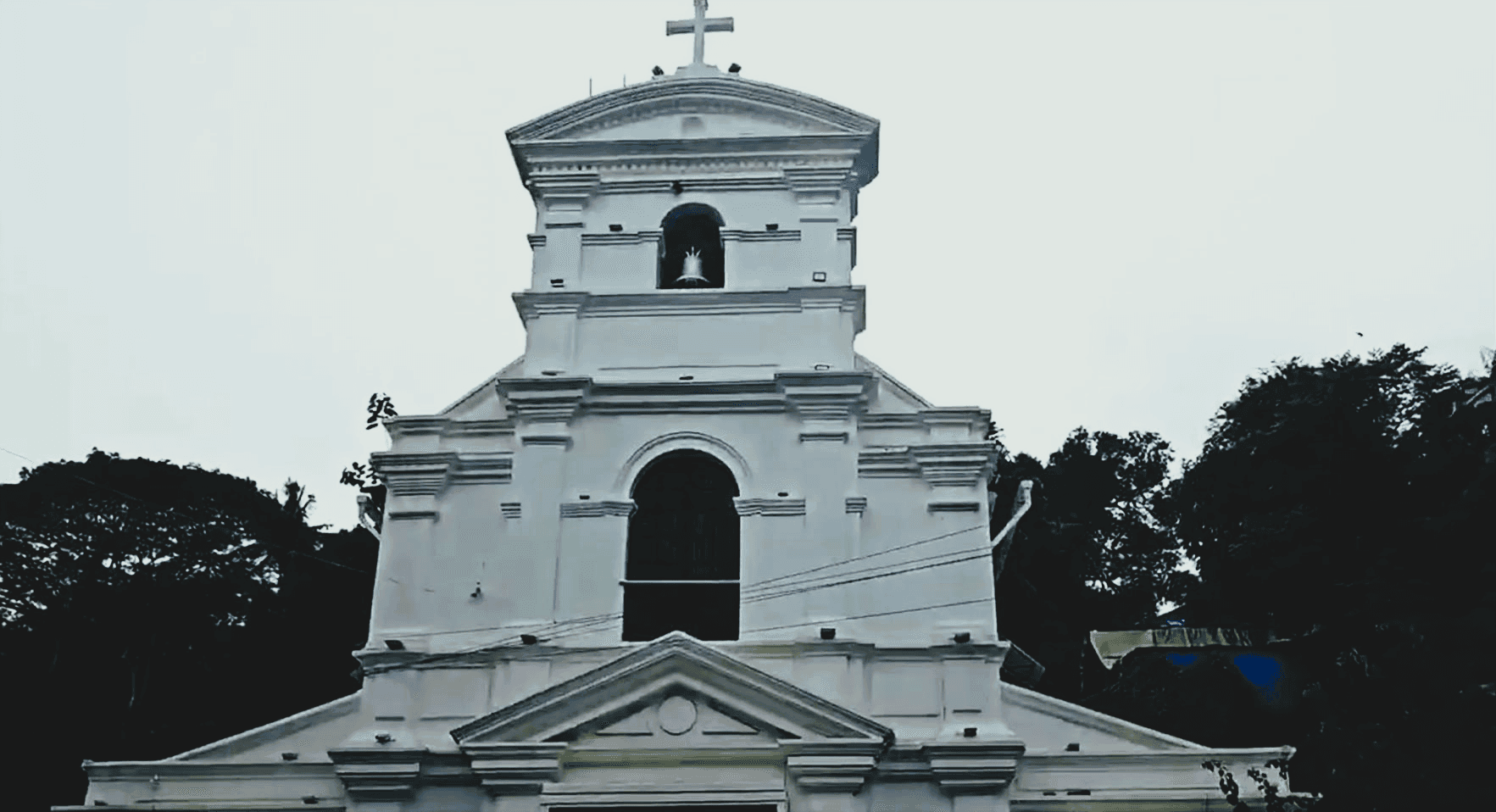
Use respectful photography, avoid loud groups, and do not enter private property for pictures.
The white Church of Our Lady of the Immaculate Conception stands above Panaji's Church Square and is one of the city's most recognizable landmarks. Its broad, symmetrical stairways and hillside position frame views over the commercial center.
The church remains an active place of worship. Visit outside services when possible, dress modestly, keep voices low, and follow any restrictions on photography or access. Church Square and nearby streets make this an easy stop during a central Panaji walk.
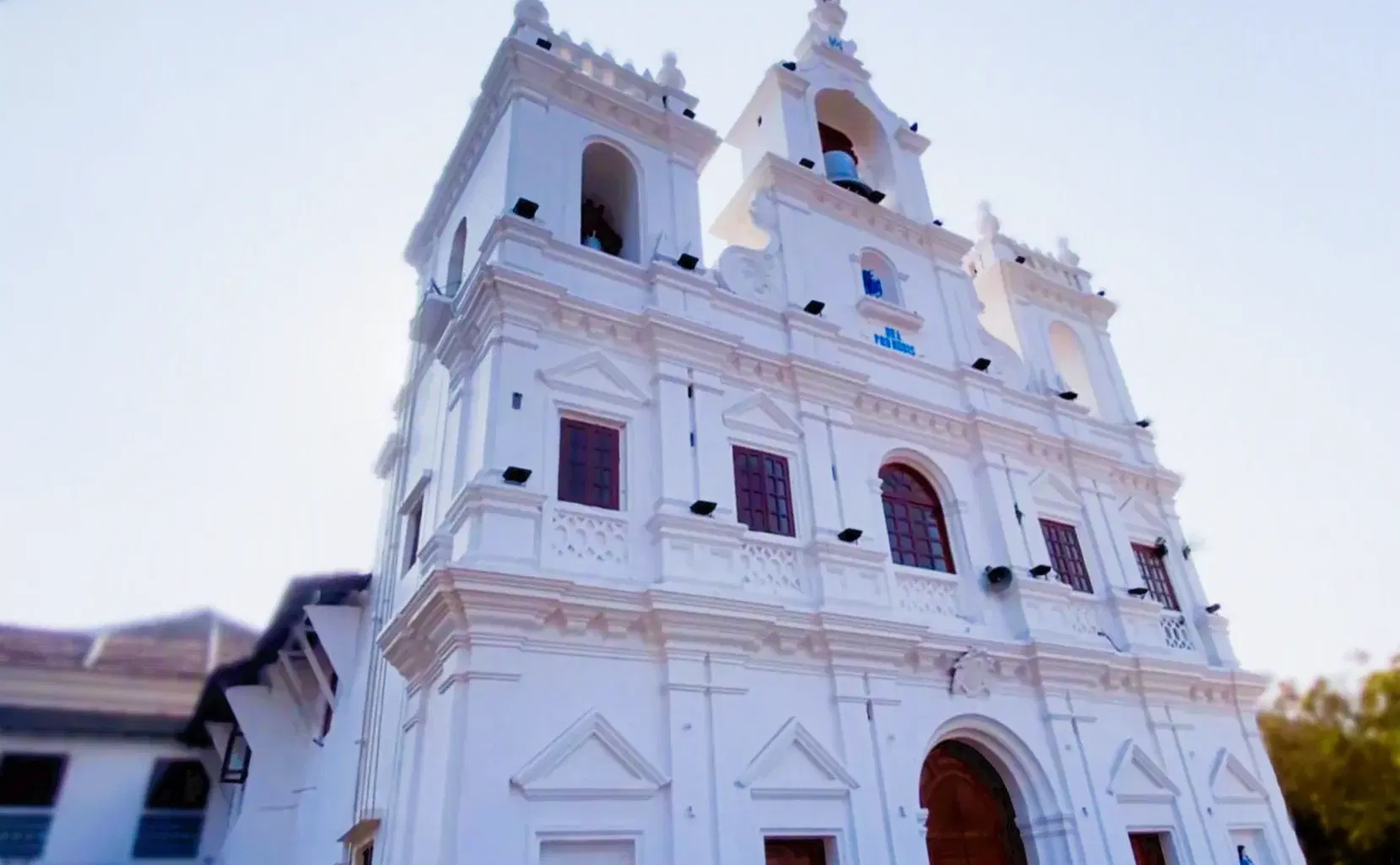
Cover shoulders and knees, silence phones, and follow instructions from church staff.
The Mandovi riverfront defines Panaji's northern edge, with promenades, jetties, views across the water, and evening cruise departures. A walk here is worthwhile even without booking a boat, especially around sunset when the city and river change character.
Cruise formats, departure points, entertainment, duration, and weather policies vary by operator. Compare authorized services, confirm every inclusion before paying, and keep enough time to find the correct jetty. Monsoon conditions can alter or cancel sailings.
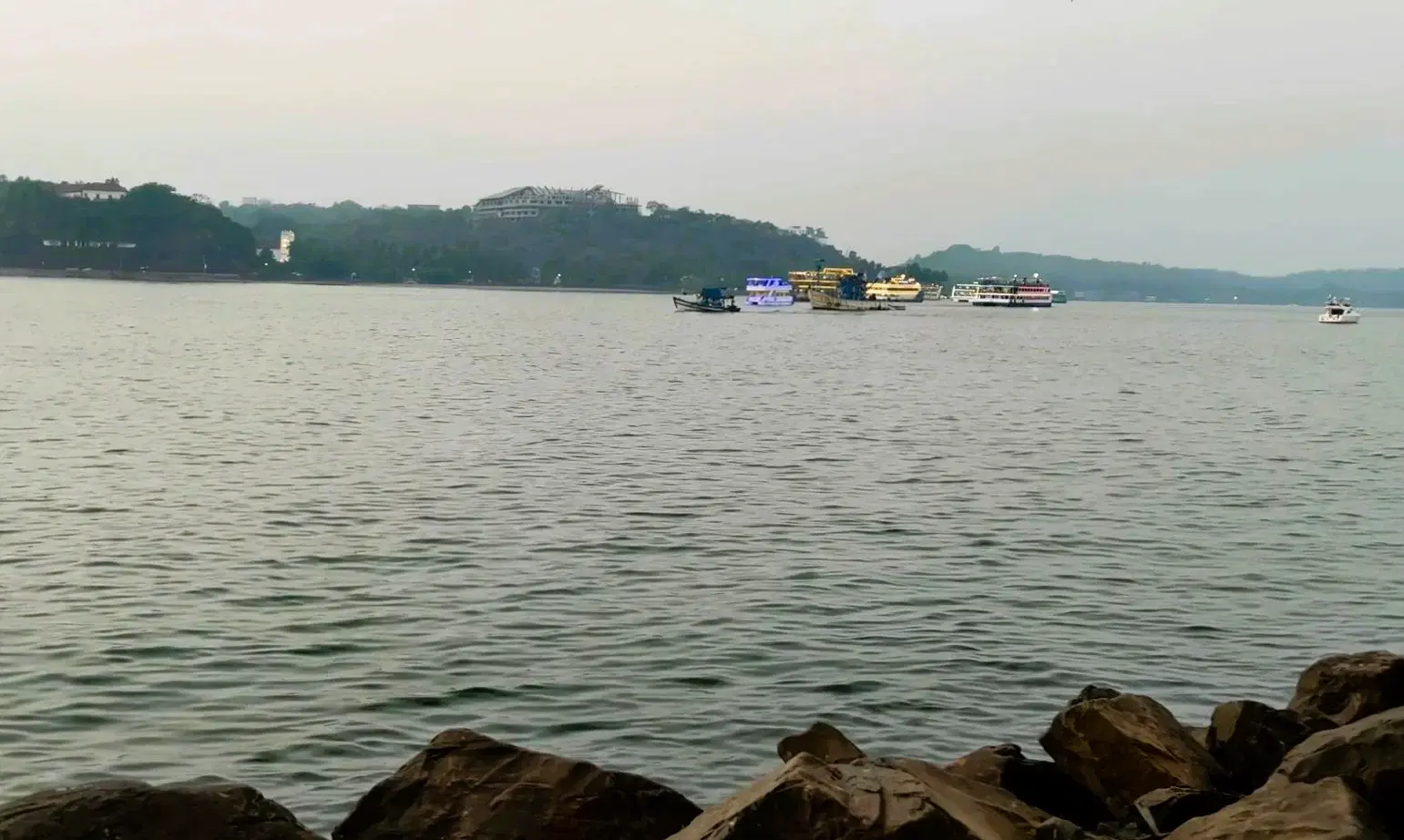
Follow crew safety instructions, supervise children, and avoid poorly lit isolated stretches late at night.
Miramar is Panaji's closest major beach, where the Mandovi approaches the Arabian Sea. Its broad sandy stretch and nearby Campal promenade are popular for evening walks, exercise, family time, and sunsets rather than secluded beach days.
Water and current conditions change, so swim only where lifeguards permit and follow beach flags. Campal adds parks, cultural spaces, and a greener riverfront connection back toward central Panaji.

Do not litter, supervise children near the water, and avoid swimming after dark or in rough conditions.
Dona Paula is a headland and waterfront area southwest of central Panaji, known for elevated coastal views, a jetty, promenade, and outlook toward the waters around Mormugao. It is commonly paired with Miramar on a short city sightseeing route.
Stories associated with the name Dona Paula have accumulated into local legend, so avoid treating one romantic version as settled history. Access, crowd controls, and water activities can change; use authorized operators and follow posted safety barriers.
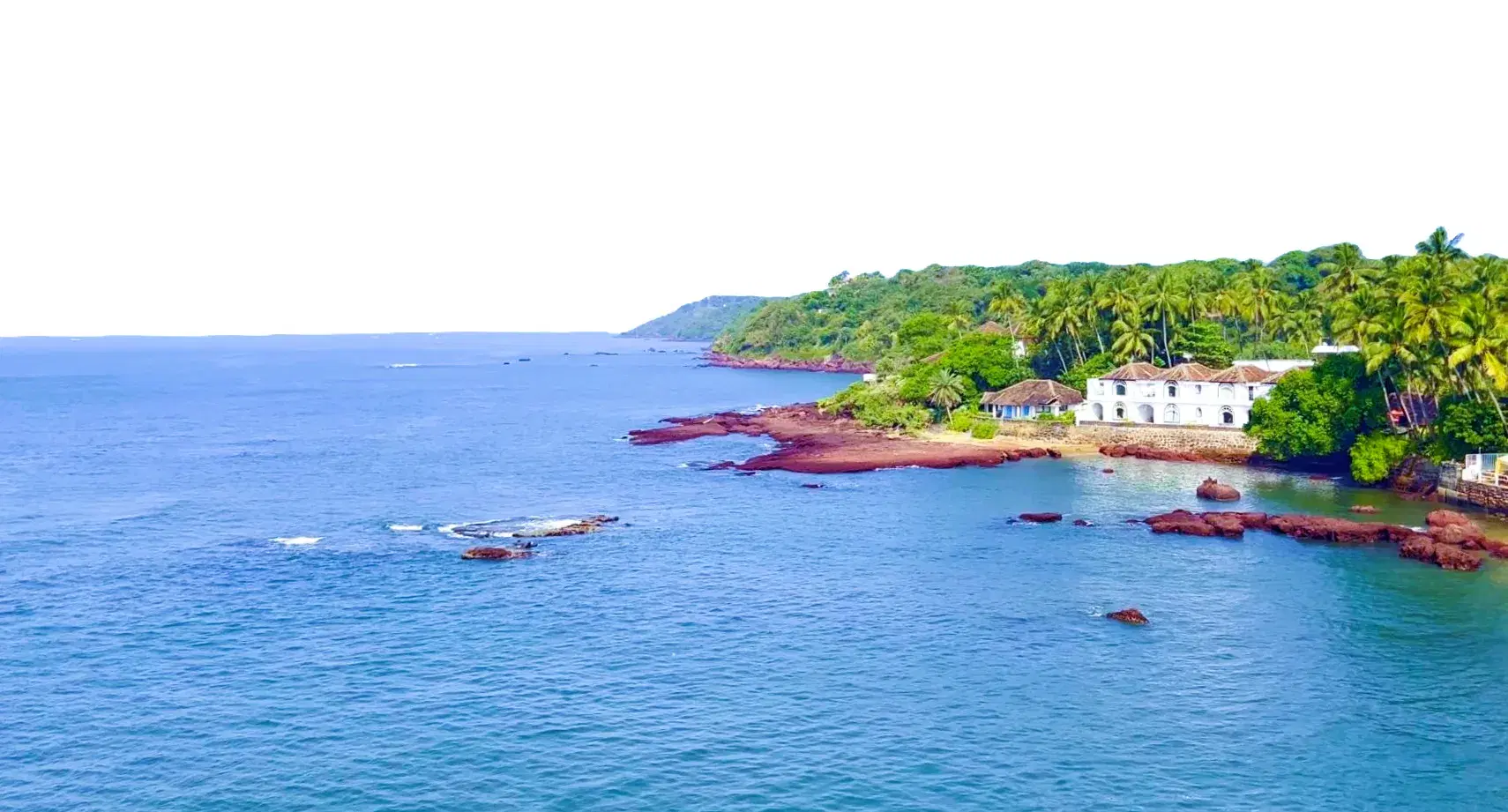
Stay behind barriers and confirm safety equipment, price, and duration before any water activity.
Old Goa, about 10 km east of Panaji, contains the UNESCO-listed Churches and Convents of Goa. The serial World Heritage property includes the Basilica of Bom Jesus, which contains the tomb of St Francis Xavier, Sé Cathedral, the Church and Convent of St Francis of Assisi, and other monuments.
This is a separate historic area rather than a Panaji neighborhood. Several buildings remain active religious spaces, while individual monuments and museums keep their own schedules. Walk between nearby sites, dress modestly, and allow time for security checks and services.
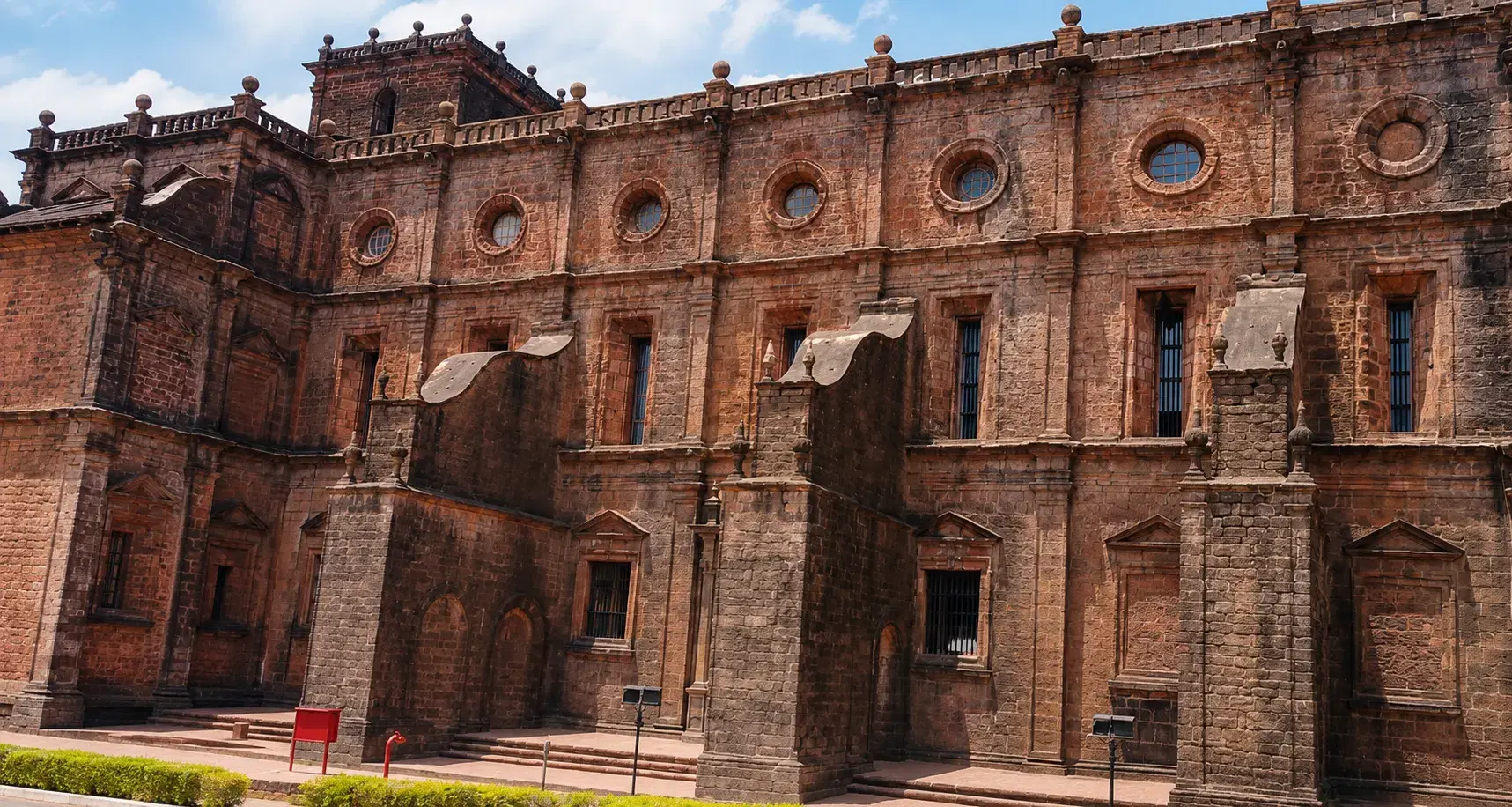
Wear modest clothing, remove hats where requested, and do not interrupt services or photograph restricted areas.
Mahalaxmi Temple is an active Hindu shrine in central Panaji, while nearby Altinho is a quieter hill district of institutional buildings, residences, tree-lined roads, and elevated city perspectives. Together they add spiritual and residential context beyond the best-known Portuguese-era streets.
Treat temple and residential areas respectfully. Altinho's slopes can feel demanding in humid weather, so a short vehicle transfer followed by a selective walk may suit families or senior travelers better than climbing from the city center.
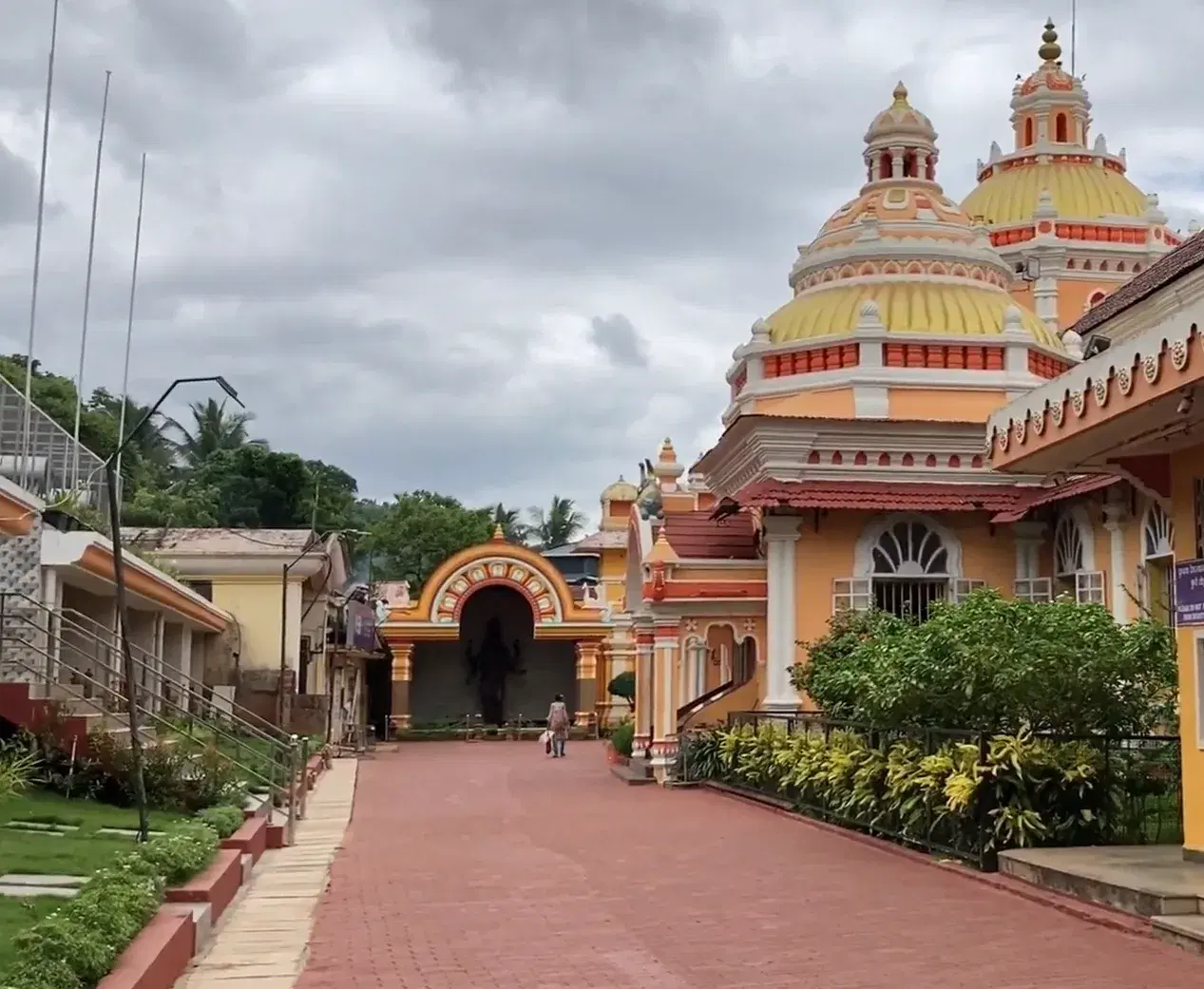
Remove footwear at the temple, dress modestly, and avoid photographing private residences without permission.
Across the Mandovi · Allow 1–2 hours
A restored riverside fort with views back toward Panaji; verify its current opening day and schedule.
Chorão Island · Early-morning excursion
A mangrove birding area reached via the Ribandar ferry; check tide, boat, guide, and sanctuary arrangements in advance.
Separate beach and fort circuit
Continue to beaches, forts, markets, and coastal villages north of the Mandovi.
Separate coastal circuit
Plan quieter beaches, heritage villages, Margao, and the Canacona coast as a separate route.
A staple combination whose spice, souring agent, and fish vary between kitchens and seasons.
A herb-forward Goan preparation commonly served with chicken; recipes and heat levels vary.
A deeply spiced curry made in several meat or vegetarian versions, often with roasted coconut.
A popular street-style omelet served with a flavourful gravy and bread.
A layered Goan dessert traditionally made with coconut milk, eggs, sugar, and ghee.
Day 1
Day 2
Panaji rewards travelers who slow down for neighborhood architecture, riverfront life, food, art, and active places of worship rather than treating the capital as only a transfer point.
Spend one day in the city and add a second for Old Goa and the nearby coast. Verify current transport, cruise, worship, and attraction schedules shortly before travel.
Check these official resources for destination information and current notices. Confirm opening times, entry charges and access requirements before travelling.
Found something outdated? Send Traviya a correction.